
Gangtok:1 property found
Sort By
Filter By:
GoRoomgo Smart Search
BetaDescribe what you're looking for (e.g. "hotels under 1000", "3 star with breakfast")
Total Price
Payment Type
Property Type
Hotel Facilities
Room Amenities
Meal Plans Available
Property Class
Customer Rating

Discover Gangtok
Your complete guide to exploring, staying, and experiencing the best of Gangtok
About the City
A detailed overview of Gangtok
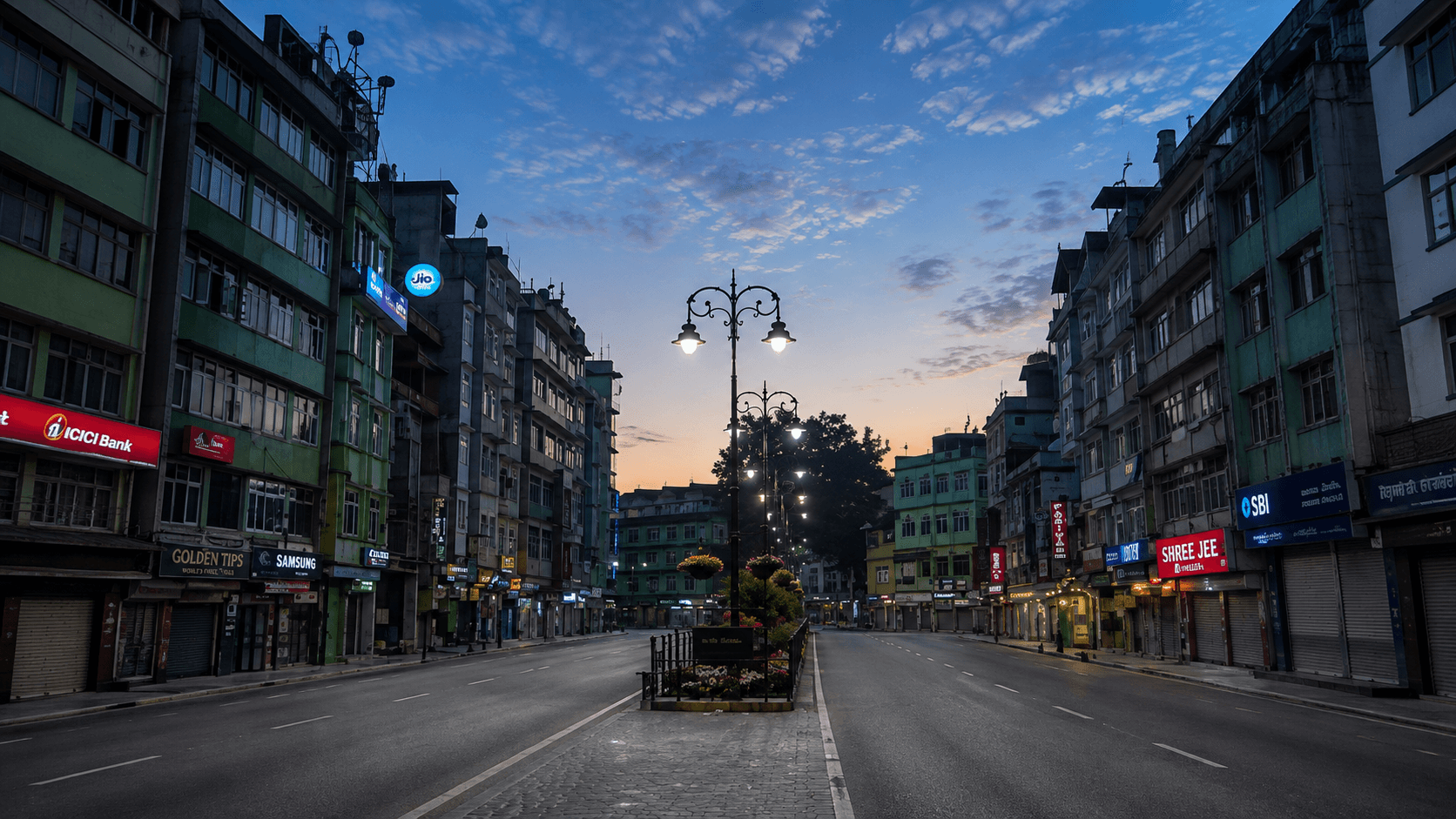
💡 Quick Facts
| Location | Sikkim, India |
| Altitude | 1,650 meters (5,410 ft) |
| Best Time to Visit | March to June and September to December |
| Language | Nepali, Sikkimese, Hindi, English |
| Currency | Indian Rupee (INR) |
| Famous For | Buddhist monasteries and stunning views |
| Nearby Attractions | Nathula Pass, Tsomgo Lake, Rumtek Monastery |
| Travel Mode | Road and Air (via Pakyong Airport) |
When is the best season to explore Gangtok?
The best time to visit Gangtok is during the spring and early summer months from March to June, and again from September to December. Spring brings a pleasant climate with blooming rhododendron flowers, making it perfect for outdoor activities and sightseeing. The summer months witness mild temperatures, ideal for exploring the city's numerous attractions without the winter chill. On the other hand, September to December offers stunning views of the Himalayan peaks, clear skies, and the festive atmosphere as several local festivals like Dashain and Losar are celebrated during this time. Travelers should consider these periods for a fulfilling experience while planning their visit to this enchanting hill station.
Top Tourist Attractions
Must-visit places in Gangtok
Tsomgo Lake
Located about 40 km from Gangtok, Tsomgo Lake is a stunning glacial lake surrounded by snow-capped mountains. At an elevation of 3,753 meters, the lake is considered sacred by the locals, and its enchanting beauty attracts visitors year-round. Accessible via a scenic drive, Tsomgo Lake is a hotspot for adventure activities, including yak rides and photography opportunities. The lake is particularly beautiful during spring when the rhododendrons bloom, adding vibrant colors to the landscape.
Nathula Pass
Nathula Pass, situated at an altitude of 4,310 meters, serves as a vital trade route between India and Tibet. A popular excursion from Gangtok, it offers breathtaking views of the Himalayas and a chance to witness the Indo-Chinese border. Visitors can explore the ancient trade route and visit the Baba Harbhajan Singh Temple, dedicated to a soldier who is revered as a guardian of the area. The serene landscape and historical significance make Nathula an unmissable attraction.
Rumtek Monastery
Rumtek Monastery, the largest in Sikkim, holds immense spiritual importance for Tibetan Buddhists. Located about 24 km from Gangtok, it is a stunning architectural marvel adorned with murals and statues that reflect Buddhist teachings. Established in the late 1960s, the monastery serves as a center for learning and meditation. Visitors can enjoy tranquil surroundings, and breathtaking mountain views, and participate in ceremonies, giving a deeper insight into the local culture.
Enchey Monastery
Enchey Monastery, perched atop a hill in Gangtok, is a 200-year-old temple that resonates with tranquility and spirituality. This monastery is dedicated to the deity Mahakal, who is believed to offer protection to the city. The distinct architectural style and vibrant colors of the monastery attract many visitors seeking peace and solitude. The location also provides panoramic views of the Kanchenjunga range, making it a favorite among photographers and nature lovers.
MG Marg
MG Marg is the main thoroughfare of Gangtok and a bustling hub reflecting the city's vibrant lifestyle. This pedestrian-friendly area is lined with shops, cafes, and restaurants, making it a favorite among locals and tourists alike. Whether you're hunting for souvenirs, sipping coffee while enjoying the fresh mountain air, or indulging in local cuisines, MG Marg offers a dynamic experience that encapsulates the essence of Gangtok's cultural diversity.
Major Events & Festivals
Key events and culture highlights
Losar
Losar, the Tibetan New Year, is celebrated with great enthusiasm in Gangtok, usually occurring in February. This vibrant festival includes colorful processions, traditional dances, and cultural performances. Locals engage in various rituals to bring in prosperity and good fortune, making it a vibrant experience for travelers. The festive spirit fills the air as families gather to celebrate with rich feasts, ensuring that visitors get a glimpse of the region's rich cultural tapestry.
Indra Jatra
Indra Jatra is an important festival celebrated by the locals, generally occurring in September. This ritual festival pays homage to the rain god, Indra, and features elaborate processions, traditional dances, and the raising of ceremonial poles. Visitors can witness the colorful celebrations and partake in the local food and festivities. The event encapsulates the cultural heritage of Gangtok and is a must-see for anyone visiting during this time.
Buddha Jayanti
Buddha Jayanti, marking the birth of Gautama Buddha, is observed with reverence in Gangtok during April. The day is celebrated with prayers, rituals, and processions at various Buddhist sites across the city. Devotees gather to light lamps, chant prayers, and offer food to monks, creating a serene atmosphere. This event is perfect for those wishing to immerse themselves in the local culture and spirituality during their visit.
Frequently Asked Questions
Explore Gangtok Guides & Articles
Discover handpicked tips, hidden gems, and local insights for your stay.
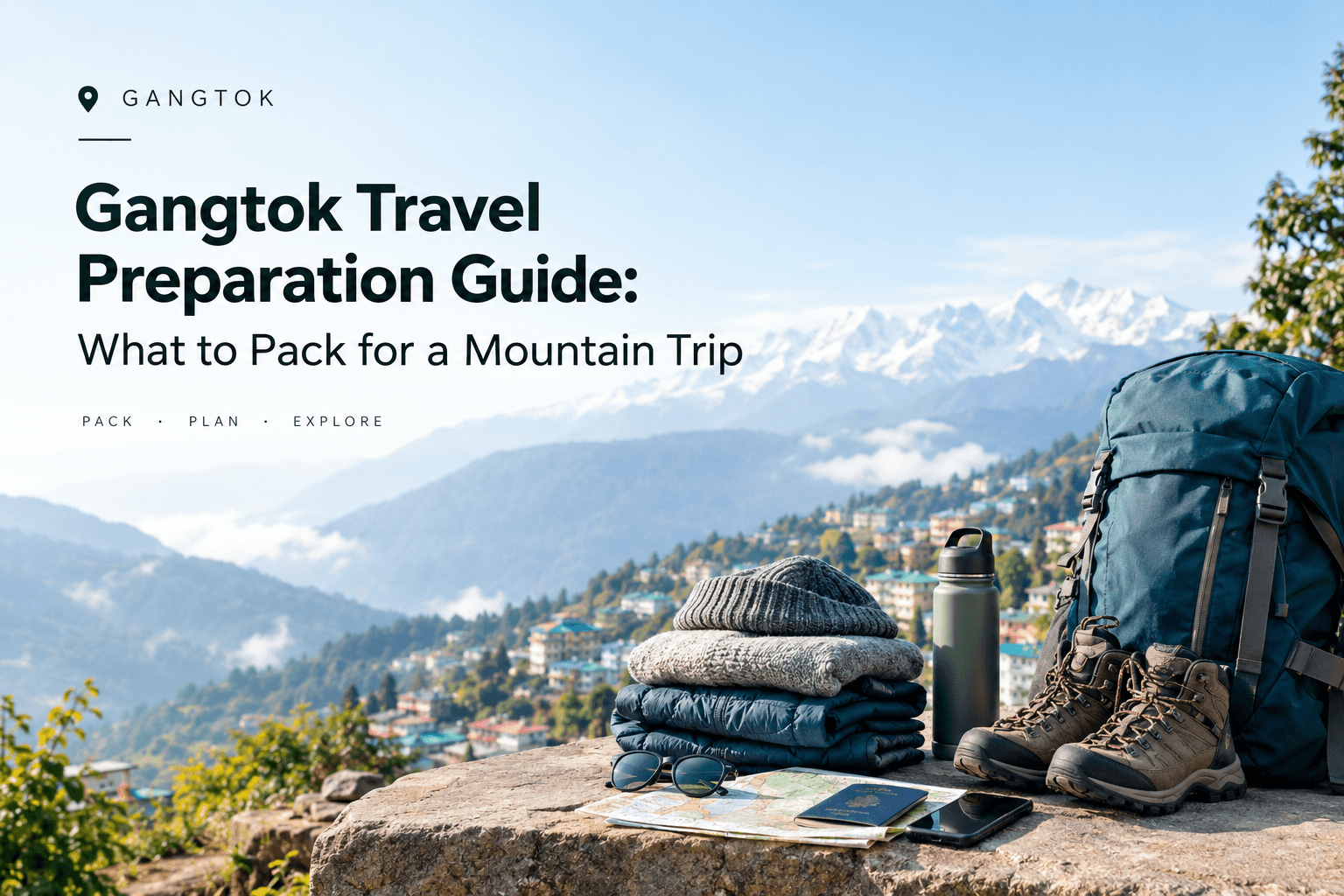
Gangtok Travel Preparation Guide: What to Pack for a Mountain Trip
Planning a trip to Gangtok is exciting, but packing for Sikkim’s mountain capital requires a little more thought than packing for a typical city break. Changing temperatures, cool evenings, occasional rain, winding roads and high-altitude excursions mean the right combination of clothing and travel essentials can make your journey much more comfortable. A practical Gangtok packing list should therefore balance warmth, rain protection, comfortable walking gear and everyday necessities without leaving you carrying an unnecessarily heavy bag.
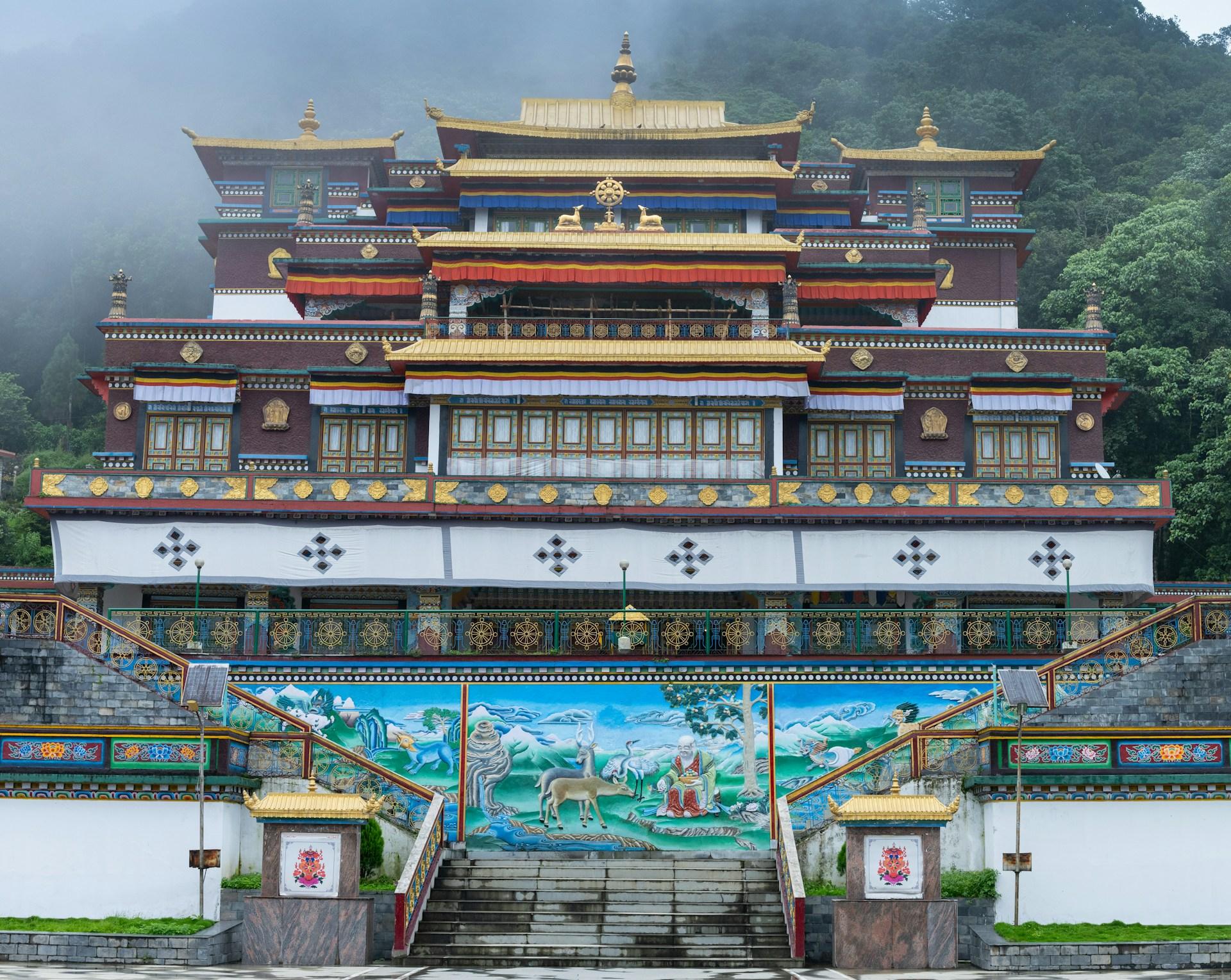
Gangtok with Family: Best Attractions & Travel Tips
A well-planned Gangtok family trip can include iconic attractions such as MG Marg, Rumtek Monastery, Banjhakri Falls and Tsomgo Lake while still leaving enough time to relax and enjoy the mountain atmosphere.
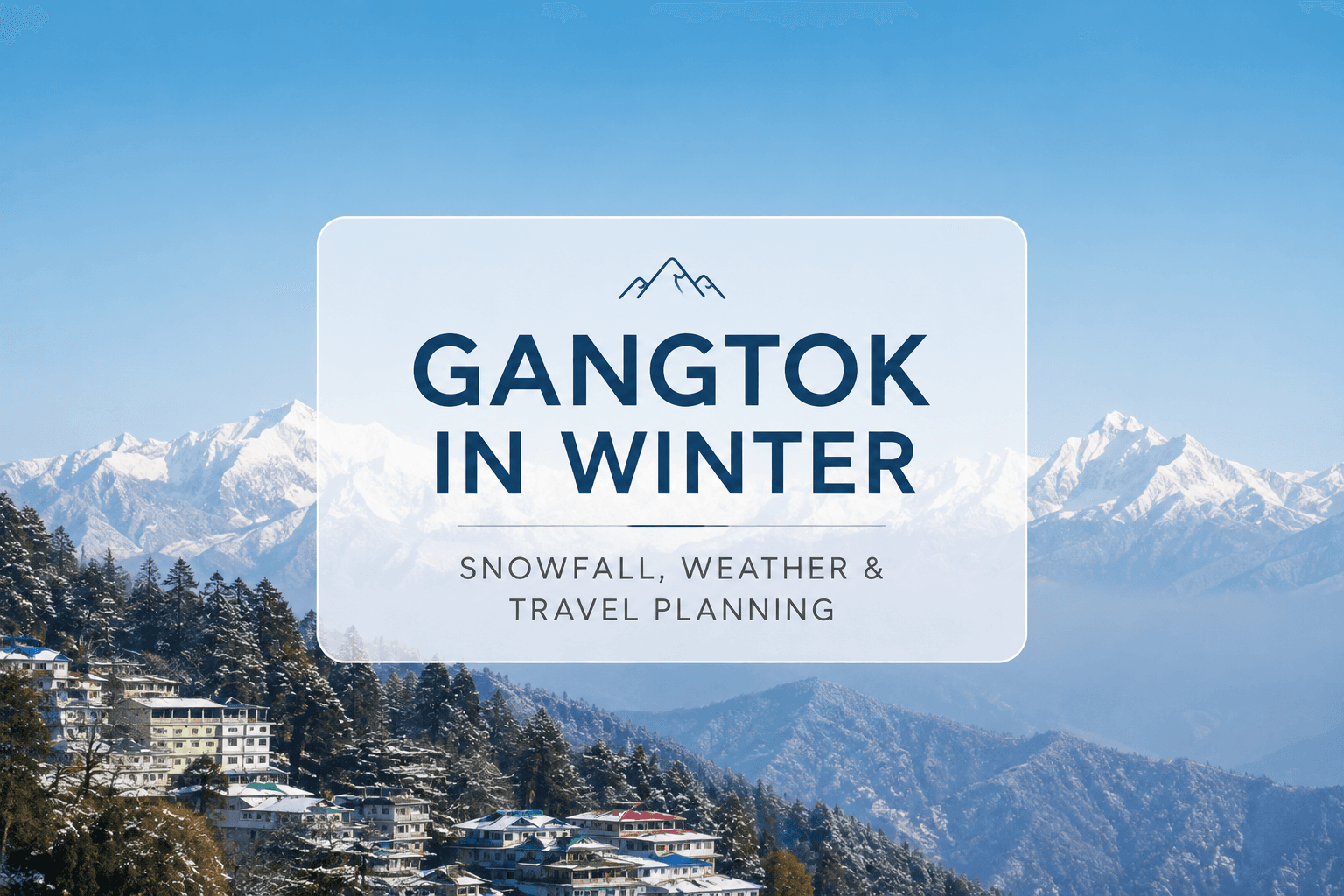
Gangtok in Winter: Snowfall, Weather & Travel Planning
Sikkim becomes quieter in the early morning, the air turns sharply cold, and clear days can open up sweeping views across the surrounding Himalayan landscape.
