
Ayodhya:22 properties found
Sort By
Filter By:
GoRoomgo Smart Search
BetaDescribe what you're looking for (e.g. "hotels under 1000", "3 star with breakfast")
Total Price
Payment Type
Property Type
Hotel Facilities
Room Amenities
Meal Plans Available
Property Class
Customer Rating


Best Family Hotels in Ayodhya
Your complete guide to exploring, staying, and experiencing the best of Ayodhya
About the City
A detailed overview of Ayodhya
💡 Quick Facts
| Location | Uttar Pradesh, India |
| Population | 55,000 (Approx.) |
| Language | Hindi, Urdu |
| Best Time to Visit | October to March |
| Currency | Indian Rupee (INR) |
| Famous For | Religious Significance, Temples |
| Time Zone | Indian Standard Time (IST) |
| Nearby Cities | Faizabad, Lucknow |
When is the best season to explore Ayodhya?
The best time to visit Ayodhya is from October to March when the weather is pleasantly cool and dry, ideal for exploring the city's magnificent temples and historical sites. During these months, daytime temperatures are usually in the comfortable range of 15°C to 25°C (59°F to 77°F), making it easier for visitors to walk around and enjoy the sights. Major festivals, including Deepawali, celebrated with grandeur, fall within this period, offering tourists a chance to witness the city basking in vibrant decorations and communal harmony. Additionally, outdoor activities along the banks of the Saryu River, such as riverbank strolls and boat rides, are best enjoyed during these months. However, July to September brings the monsoon rains, making travel challenging but providing a lush green landscape for nature lovers.
Top Tourist Attractions
Must-visit places in Ayodhya
Ram Janmabhoomi
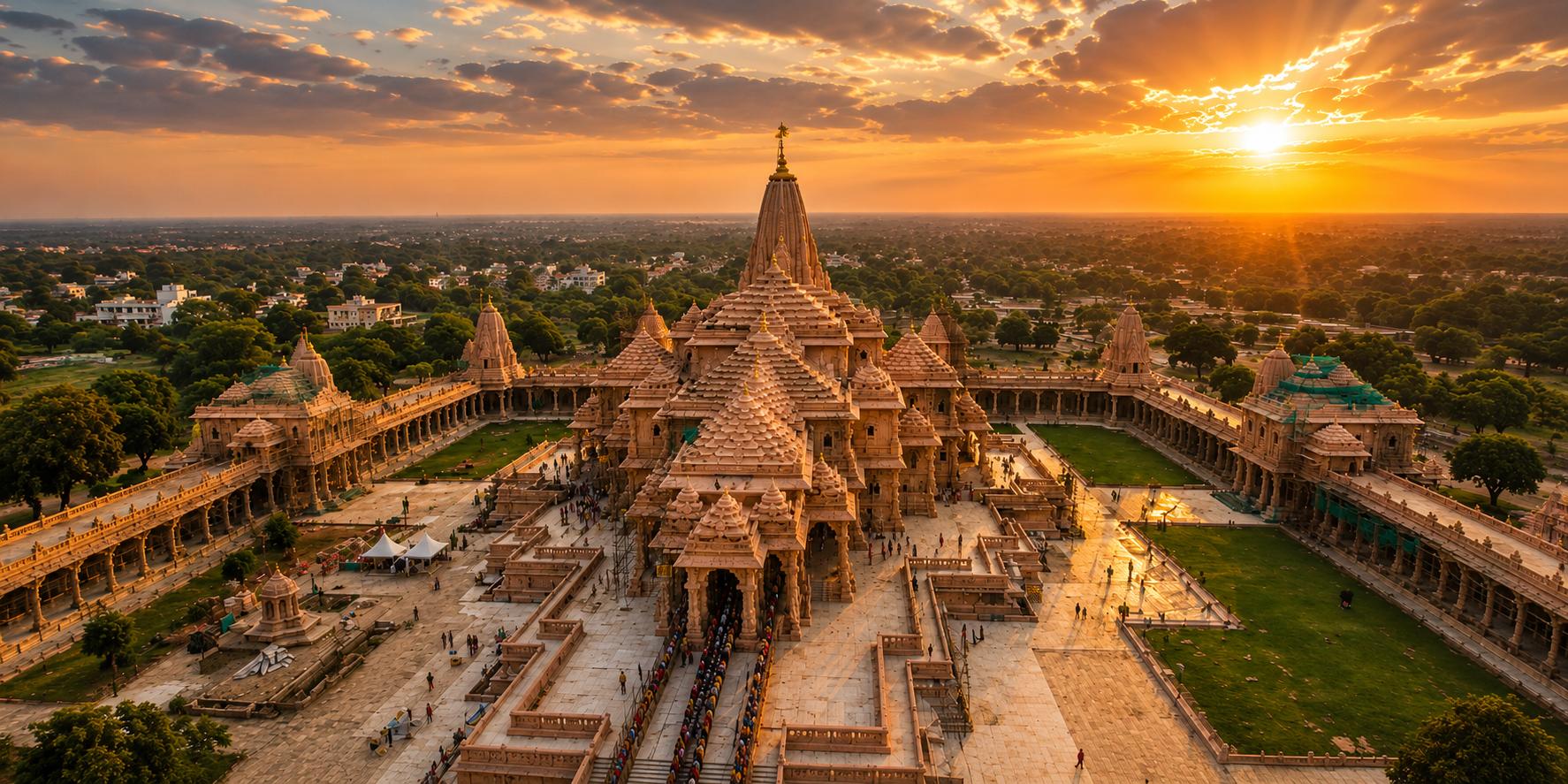
Ram Janmabhoomi is the most revered site in Ayodhya, believed to be the birthplace of Lord Rama. The historical significance of this site is immense, making it a focal point for Hindu pilgrimage. The temple is currently under construction, excitedly anticipated by millions of devotees. The surrounding area is filled with energy and devotion, especially during religious festivals, where hundreds of thousands gather to express their faith. Visitors can learn about the history and ongoing developments while exploring nearby temples and all that this sacred site embodies.
Hanuman Garhi
Hanuman Garhi is a prominent temple dedicated to Hanuman, believed to be built on a hillock that once served as a watchtower for Lord Rama. The temple offers enchanting views of Ayodhya and is known for its vibrant festivals, especially Hanuman Jayanti. The architecture is a mix of traditional and contemporary styles, making it attractive to both spiritual seekers and architecture enthusiasts. Devotees climb a series of steps leading up to the temple, where the idol of Hanuman is adorned with flowers and offerings, providing a truly immersive experience.
Kanak Bhawan
Kanak Bhawan is a stunning temple built in the 18th century, dedicated to Lord Rama and his wife, Sita. This temple is an architectural beauty, adorned with intricate carvings and beautiful wall paintings that narrate stories from the Ramayana. The pristine surroundings and serene ambiance create a peaceful atmosphere for visitors. The temple is popular for hosting various religious ceremonies and attracts devotees throughout the year. With its rich history, Kanak Bhawan presents an ideal spot for witnessing spiritual practices and enjoying a calm reflection amidst the chaos.
Nageshwar Nath Temple
Nageshwar Nath Temple, dedicated to Lord Shiva, is another spiritually significant attraction in Ayodhya. The temple is believed to be one of the oldest in the region and showcases exquisite architecture. The serene environment, complemented by the scenic beauty surrounding the temple, creates an enchanting setting for meditation and prayers. The annual Maha Shivaratri festival attracts a large number of devotees who come to pay their respects to Lord Shiva. The temple provides a glimpse into the region's rich cultural and religious traditions.
Saryu River
The Saryu River is not just a water body but a lifeline connected to the spiritual fabric of Ayodhya. Pilgrims visit the river to perform rituals, and it's an ideal location for meditation and tranquility. The ghats lining the river host numerous religious ceremonies and festivals. A boat ride or a stroll along the riverbank offers a unique perspective of the city’s landscape, showcasing temple reflections on the water, especially during sunrise and sunset. The vibrant atmosphere makes it a pivotal point in Ayodhya.
Major Events & Festivals
Key events and culture highlights
Ram Navami
Ram Navami is one of the most significant festivals celebrated in Ayodhya, marking the birth of Lord Rama. The festival usually occurs in March or April and attracts devotees from all over India and abroad. During this time, the city is adorned with lights and decorations, with various cultural programs, rituals, and processions taking place. Temples organize special prayers, and large crowds gather to celebrate, making it a vibrant and energetic time to visit Ayodhya.
Deepawali
Deepawali, or the Festival of Lights, is celebrated with great enthusiasm in Ayodhya. The festival symbolizes the victory of light over darkness and Good over Evil. The city is illuminated with millions of diyas (clay lamps) along the Saryu River, creating a breathtaking sight. Temples are decorated, and cultural performances are showcased to celebrate this auspicious occasion. Deepawali in Ayodhya is not just a festival; it’s a spiritual experience that binds the local community and visitors in joy and devotion.
Maha Shivaratri
Maha Shivaratri is an important Hindu festival dedicated to Lord Shiva, often celebrated with great fervor in Ayodhya. This festival usually falls in February or March and involves night-long prayers and festivities at various temples dedicated to Lord Shiva. Devotees flock to the Nageshwar Nath Temple, offering special prayers and observing fasting. The atmosphere is filled with spirituality, chants, and the fragrance of flowers and incense, making it a special time for both devotees and tourists visiting Ayodhya.
Frequently Asked Questions
Explore Ayodhya Guides & Articles
Discover handpicked tips, hidden gems, and local insights for your stay.
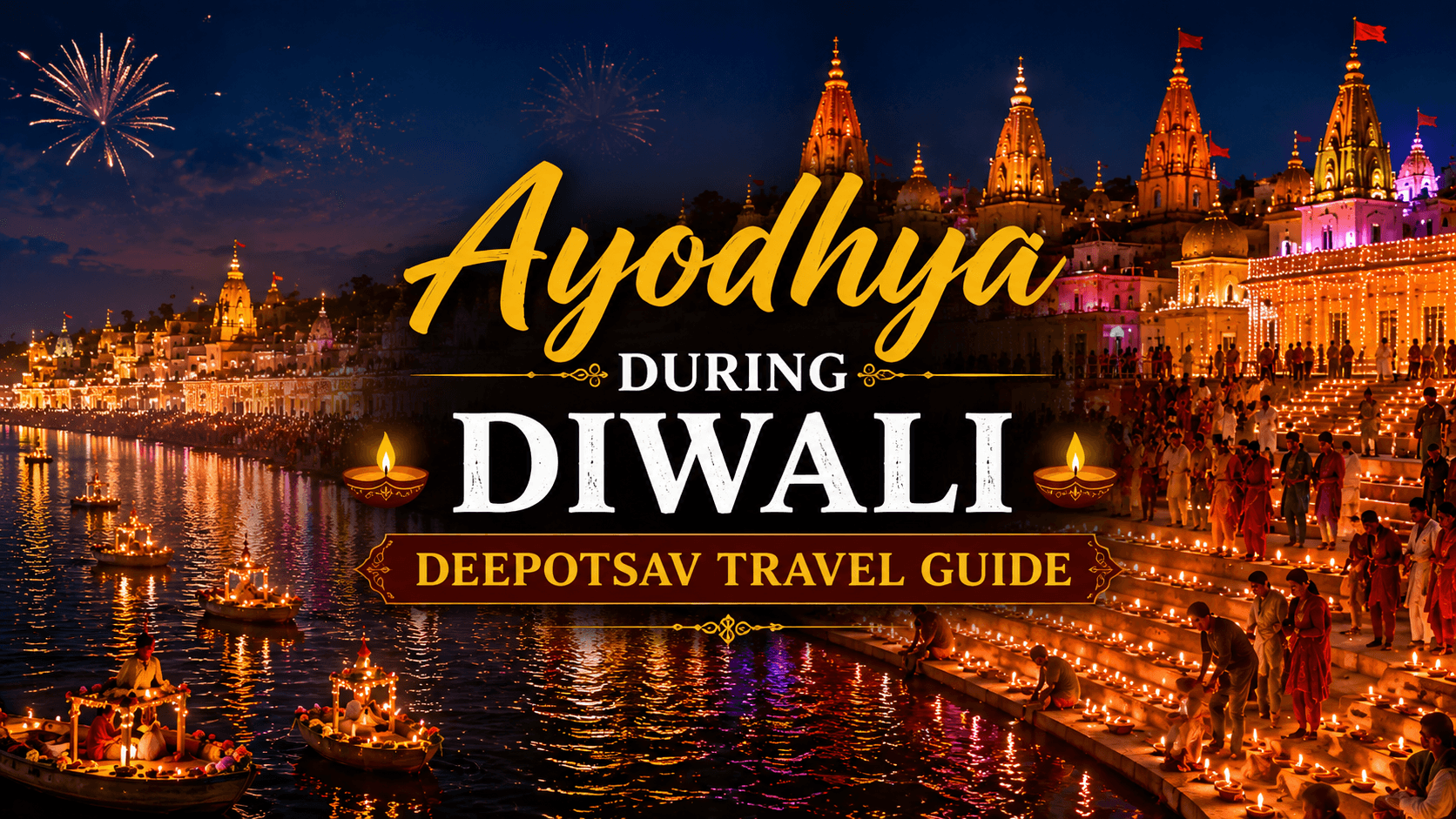
Ayodhya During Diwali: Deepotsav Travel Guide
For travellers, Diwali is also one of the busiest periods to visit Ayodhya. Streets around Ram Mandir, Ram Ki Paidi, Hanuman Garhi, and the old city become exceptionally crowded, while hotels and transport can see high demand.
