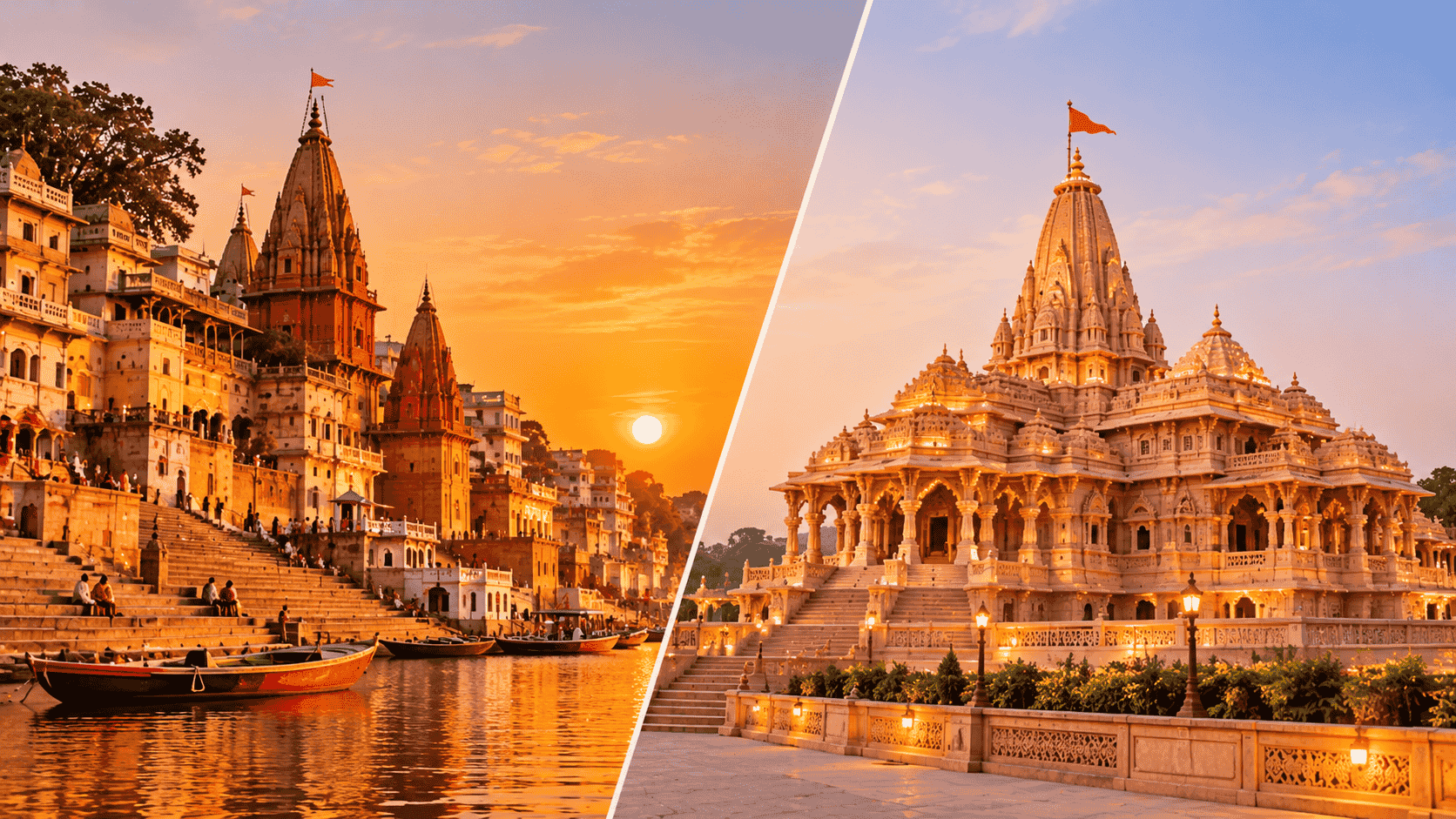
Varanasi and Ayodhya stand among the most important spiritual destinations in India, yet they offer very different experiences. One is an ancient city of continuous ritual intensity along the Ganga. The other is the birthplace of Lord Rama, centred on a newly prominent temple complex and a more structured pilgrimage atmosphere.
This Varanasi vs Ayodhya comparison looks at spiritual character, key experiences, crowd and atmosphere, practical movement, and stay options so you can decide which city suits your trip — or how to sequence both if you have the time. The question of Ayodhya or Varanasi depends largely on the kind of spiritual atmosphere you prefer.
Spiritual Character
Varanasi
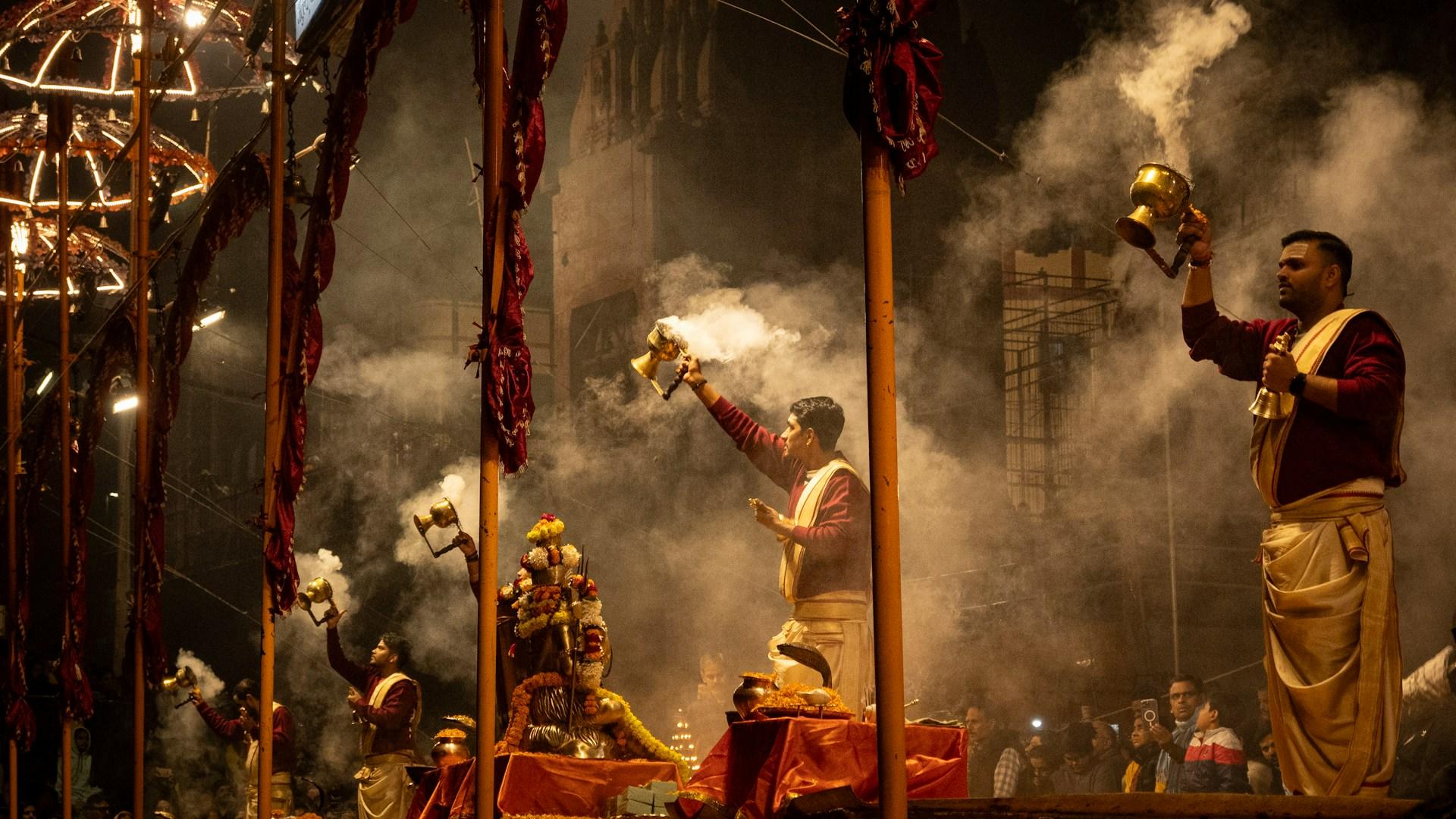
Varanasi (Kashi) is closely associated with Lord Shiva and the idea of liberation. The Ganga, the continuous cycle of life and death visible at the cremation ghats, the dense network of temples and the unbroken daily rhythm of aarti and puja create an intense, philosophical atmosphere. Many visitors describe it as overwhelming in the best sense — layered, ancient and emotionally demanding.

Ayodhya
Ayodhya is the traditional birthplace of Lord Rama and the focal point of Ram bhakti. The Ram Mandir complex, Saryu river ghats and surrounding temples produce a more narrative and devotional feel. The overall tone is often described as calmer, more organised and centred on faith and righteousness rather than the raw intensity of Varanasi’s ghats.
In short, Varanasi leans toward philosophical depth and continuous ritual life. Ayodhya leans toward focused devotion and a clearer, more modern pilgrimage setting.
Key Experiences
Varanasi Highlights
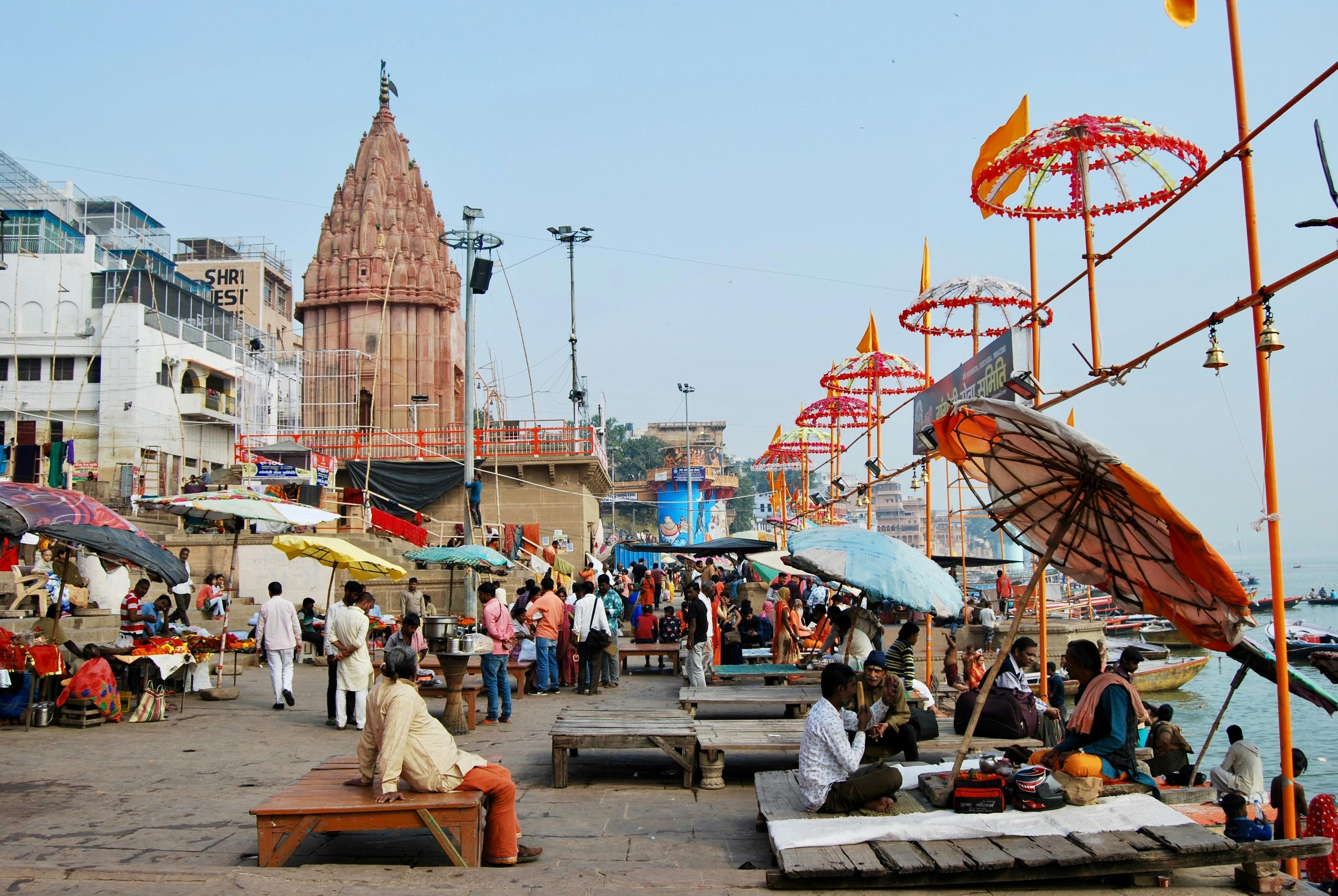
The classic experiences include the morning boat ride on the Ganga, the evening Ganga Aarti at Dashashwamedh Ghat, darshan at Kashi Vishwanath Temple, and walks through the old city lanes. Nearby Sarnath adds a Buddhist layer. The city rewards slow observation — sunrise light on the water, the sound of bells, the movement of pilgrims and locals along the river.
Ayodhya Highlights
The central experience is darshan at the Ram Mandir. Other important stops include Hanuman Garhi, Kanak Bhawan and the evening aarti along the Saryu at Ram Ki Paidi. The temple complex itself is designed for orderly movement, and the riverfront has been developed with clear viewing and ritual spaces. Festivals such as Deepotsav add large-scale visual drama.

Atmosphere and Crowd
Varanasi’s old city is dense, narrow and constantly active. Crowds at major ghats and the temple can feel intense, especially in peak season or during major festivals. The sensory load — sound, movement, scent and visual density — is high.
Ayodhya, particularly around the temple and main approach roads, feels more open and managed. Crowds are significant near the Ram Mandir, yet the layout and infrastructure generally support smoother circulation. The overall atmosphere is more orderly and less chaotic than the historic core of Varanasi.
Accessibility and Practical Movement
Both cities are well connected by rail and road. Ayodhya is closer to Lucknow (roughly 130 km) and has improved infrastructure supporting large pilgrim flows. Varanasi has a major airport and railway junctions and remains a long-standing transit hub for eastern Uttar Pradesh and beyond.
Within the city, Varanasi’s historic core demands more walking through lanes and greater comfort with crowds. Ayodhya’s main pilgrimage zones are easier to navigate for first-time visitors and for those travelling with elderly family members.
Where to Stay
Where to Stay in Varanasi
When deciding where to stay in Varanasi, the ghat areas remain the most practical base. Staying near Assi Ghat, Dashashwamedh or the central riverfront puts morning boat rides and evening aarti within easy reach. Properties a short walk from the main ghats reduce daily transfer time and let you experience the city’s rhythm from the first and last light of the day.
Families visiting the city can explore family hotels in Varanasi that offer spacious rooms, convenient access to the ghats and comfortable amenities for travellers of different ages.
Quieter options slightly away from the densest stretch still keep the river accessible while offering a calmer night’s rest. Location and recent feedback on cleanliness and late-night access matter more than most other factors for a first visit.
Where to Stay in Ayodhya
For where to stay in Ayodhya, the most convenient zones are close to the Ram Mandir corridor or the main approach roads that lead to the temple and the Saryu ghats. The accommodation base has expanded with the rise in pilgrim numbers, giving visitors more choice near the primary spiritual sites.
Travellers comparing the best hotels in Ayodhya can prioritise stays with convenient access to Ram Mandir, Hanuman Garhi and Ram Ki Paidi to make temple visits and daily sightseeing easier.
Choosing a location with reliable late-evening access and straightforward routes to the temple and Ram Ki Paidi simplifies the daily schedule, especially when combining morning and evening rituals.
When comparing options for either city, prioritise recent feedback on location, cleanliness and ease of reaching the main spiritual sites. Platforms such as Goroomgo help filter stays that match a pilgrimage-focused itinerary and support practical decisions on where to stay in Varanasi or where to stay in Ayodhya.
Who Should Choose Which?
Choose Varanasi if you want the classic, intense spiritual India experience, are comfortable with dense crowds and narrow lanes, and value river rituals, continuous temple life and philosophical atmosphere.
Choose Ayodhya if you prefer a more structured and calmer pilgrimage centred on Lord Rama, are travelling with family or elderly members, or want easier navigation and a clearer focus on one major temple complex.
Many travellers who have time do both. A common sequence is Varanasi first (for depth and intensity) followed by Ayodhya (for focused devotion), though the reverse also works depending on travel logistics and personal preference.
Conclusion
Varanasi and Ayodhya are not interchangeable. One offers the layered, ancient intensity of the Ganga and Shiva’s city. The other offers the focused, increasingly organised devotion of Rama’s birthplace.
The better choice in this Varanasi vs Ayodhya decision depends on the kind of spiritual atmosphere you seek, how much intensity you want, and who is travelling with you. With clear priorities and a practical base in either city, both destinations deliver a meaningful pilgrimage experience.

Written by Kunal Paul
Travel Expert
Kunal Paul is a Travel Expert who turns journeys into memorable experiences. With a passion for discovering destinations, local culture, hidden gems, and practical travel insights, he helps travelers explore smarter and better.