If you are staying in Varanasi and want to explore somewhere quieter, more contemplative and deeply connected to Indian history, a day trip to Sarnath is one of the most rewarding additions to your itinerary. Located around 10 kilometres from the Varanasi ghats, Sarnath is where Gautama Buddha is traditionally believed to have delivered his first sermon after attaining enlightenment.
Unlike the energetic atmosphere of Varanasi’s old city, Sarnath has a slower rhythm. Ancient stupas, archaeological remains, Buddhist temples, museums and peaceful green spaces make it particularly suitable for travellers interested in history, spirituality, architecture and culture.
This Sarnath travel guide explains how to plan the excursion from Varanasi, what to see, how much time to keep aside, the best way to travel, and where to stay if you want to combine Sarnath with a longer Varanasi trip.
Why Take a Day Trip to Sarnath from Varanasi?
Sarnath is not simply another sightseeing stop near Varanasi. It represents one of the most significant chapters in Buddhist history.
According to Buddhist tradition, Buddha came to the Deer Park at Sarnath after attaining enlightenment and delivered his first teaching to five former companions. This event is associated with the beginning of the Buddhist Sangha and the spread of his teachings. Today, the archaeological landscape preserves monuments connected with centuries of Buddhist activity.
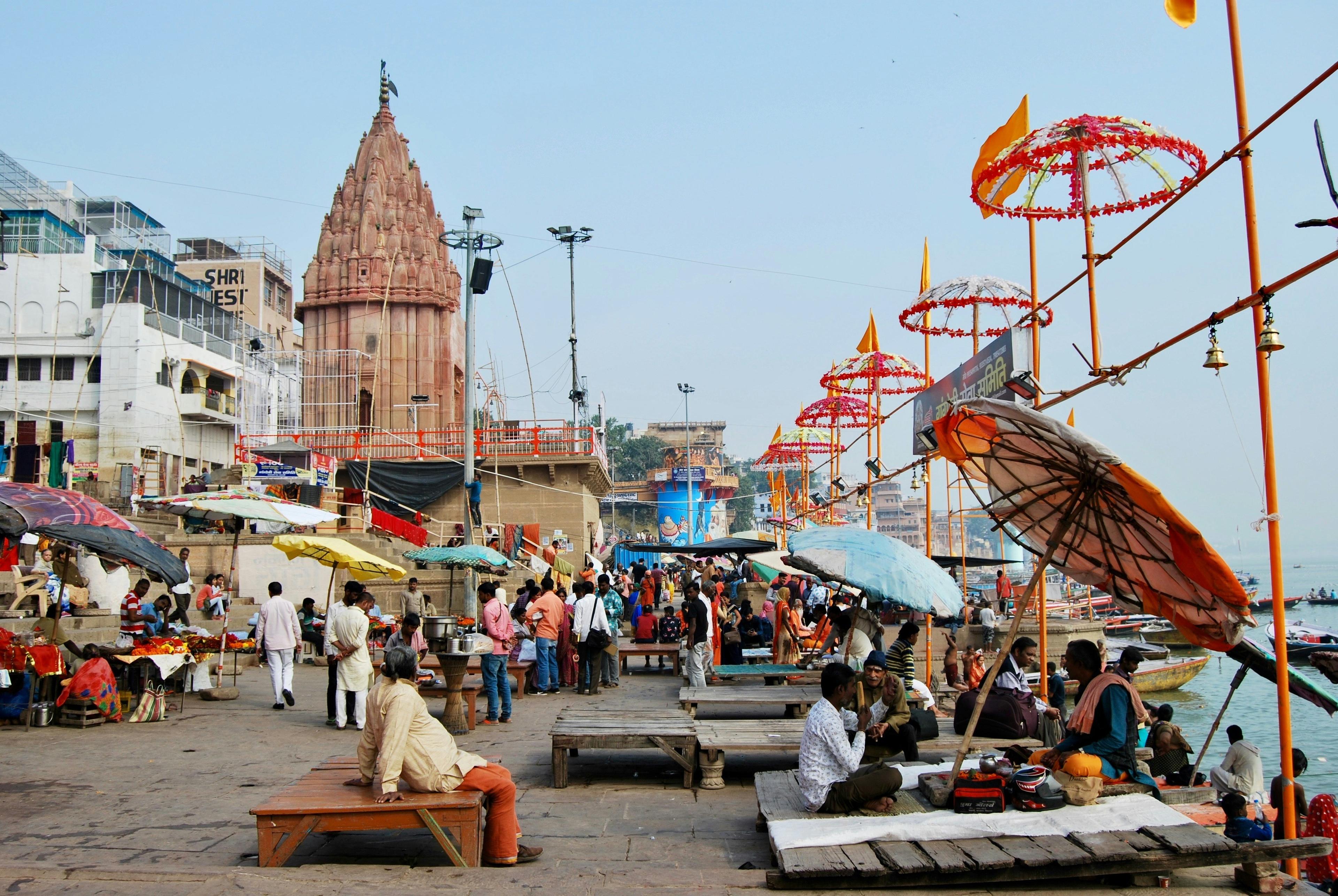
For travellers, the appeal lies in the contrast with Varanasi. After spending time around crowded ghats, temples and narrow lanes, Sarnath offers an opportunity to slow down and appreciate history in a more open setting.
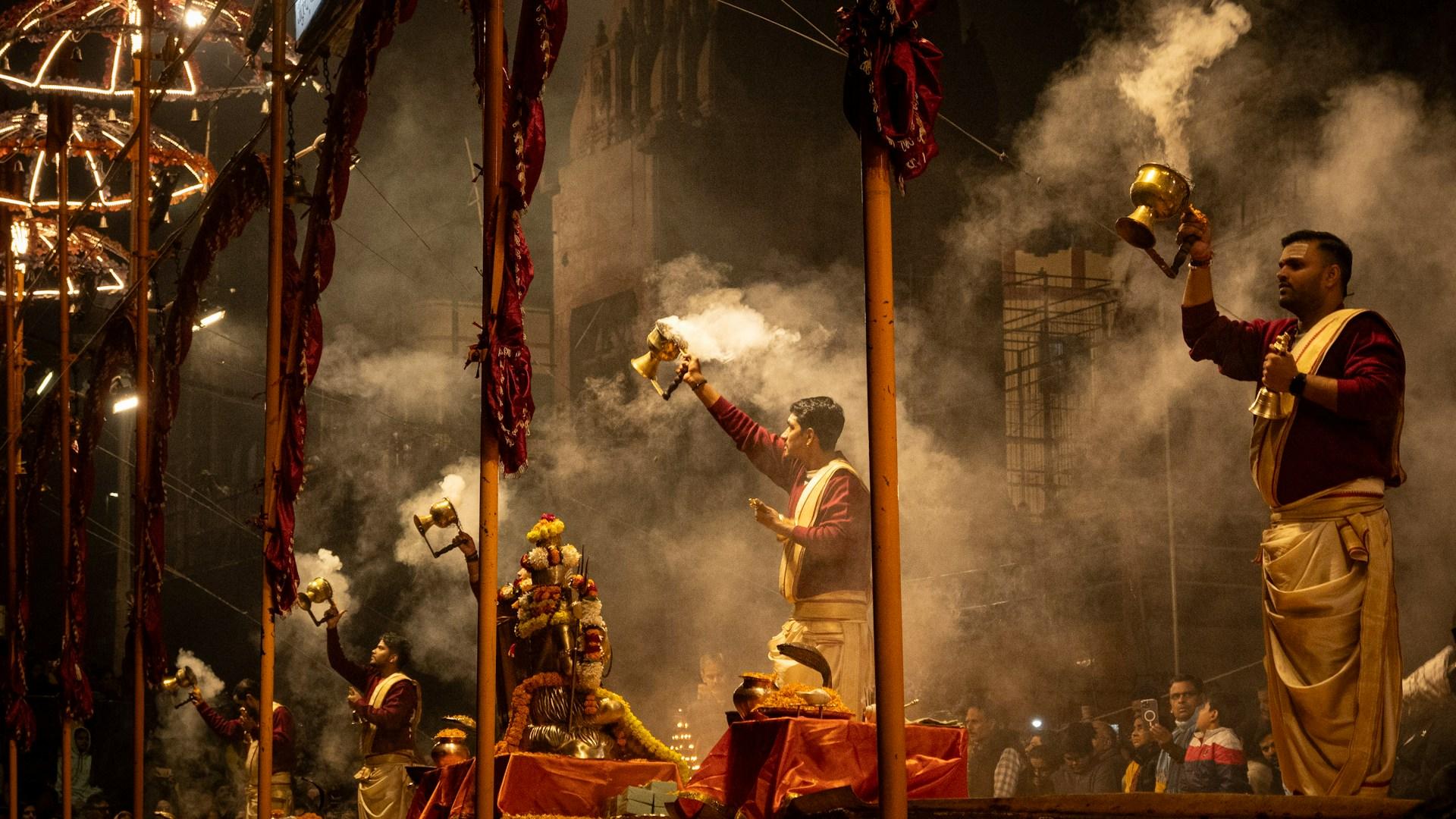
The excursion is also relatively easy to fit into a Varanasi itinerary. You can leave after breakfast, spend several hours exploring the principal monuments and museum, have lunch nearby, and return to Varanasi in time for an evening walk along the Ganga or Ganga Aarti.
Sarnath Travel Guide: Places You Should Not Miss
A good visit should not be limited to photographing Dhamek Stupa. Give yourself enough time to understand the archaeological and spiritual significance of the area.
Dhamek Stupa
The enormous Dhamek Stupa is the visual centrepiece of Sarnath. The monument rises roughly 43 metres and combines brick construction with intricately carved stonework, particularly around its lower section.
This is where many visitors naturally spend the most time. Rather than simply walking around it, pause to observe the geometric patterns and floral designs on the stone surface.
Early morning is particularly pleasant because the surroundings are generally calmer and the light is softer for photography. The official tourism listing describes the monument as open from sunrise to sunset, but travellers should still check current local arrangements before visiting.
Sarnath Archaeological Museum
The Sarnath Archaeological Museum is essential for understanding what you see outside. It houses archaeological artefacts and Buddhist sculptures recovered from the surrounding excavations and is regarded as the oldest site museum established by the Archaeological Survey of India.
Do not treat the museum as an optional stop. Seeing the sculptures, inscriptions and archaeological objects after visiting the ruins gives much more context to the site.
Allow around 45 minutes to an hour if you want a meaningful visit rather than a quick walk-through. Check the current opening day and ticketing arrangements before travelling, as museum schedules can change.

Chaukhandi Stupa
Chaukhandi Stupa is another important monument and is particularly useful to visit before or after the main archaeological complex. It is traditionally associated with the place where Buddha met his first five disciples.
Its architectural appearance is different from Dhamek Stupa, making it a worthwhile stop for travellers interested in the evolution of Buddhist monuments.
Because it sits away from the busiest section of the archaeological complex, it can also make the trip feel less rushed.
Ashoka Pillar and Archaeological Ruins
The remains associated with Emperor Ashoka provide another important layer of Sarnath’s history. Ashoka played a major role in establishing and supporting Buddhist sites across the Indian subcontinent.
The original Ashoka Pillar at Sarnath is particularly significant because the Lion Capital associated with it became the basis of India’s State Emblem. The surviving archaeological remains around the site help visitors understand the scale and importance of the ancient monastic settlement.
Mulagandha Kuti Vihara and Deer Park
Sarnath is also a living Buddhist destination, not just an archaeological site.
Mulagandha Kuti Vihara is an important modern Buddhist temple with an atmosphere very different from the ancient ruins. The surrounding Deer Park adds another peaceful dimension to the visit.
This is a good section of the itinerary for travellers who want to sit quietly rather than continuously move between monuments.
Varanasi to Sarnath: How to Reach
Travelling from Varanasi to Sarnath is relatively straightforward. The exact journey time depends heavily on where you start and traffic conditions.
From the central Varanasi and ghat areas, the road distance is roughly 10 kilometres, although the actual distance varies depending on the starting point. Official tourism information also places Sarnath approximately 10 kilometres from the Varanasi ghats.
By Taxi or Cab
For families, couples and travellers with limited time, a taxi or app-based cab is generally the most comfortable option.
A private cab also makes it easier to include Chaukhandi Stupa, the main archaeological complex and other nearby attractions without repeatedly arranging local transport.
By Auto-Rickshaw
Auto-rickshaws can be useful for travellers who prefer flexible local transportation. Negotiate or confirm the fare before starting when a metered option is unavailable.
By Local Transport
Budget travellers can use local buses and shared transport depending on their starting point in Varanasi. However, routes and travel times can be less predictable than a direct cab.
If Sarnath is the main purpose of your day, saving time on the outward and return journey is usually worth the additional convenience of a direct vehicle.
A Practical One-Day Sarnath Itinerary
A well-planned day does not need to feel rushed.
8:00 AM – Leave Varanasi
Start after breakfast. An early departure helps you avoid some of the day’s heat and gives you more time at the monuments.
8:30–10:00 AM – Chaukhandi Stupa and Archaeological Complex
Begin with Chaukhandi Stupa if it fits your route, then continue towards the main archaeological area.
10:00 AM–12:00 PM – Dhamek Stupa and Ancient Ruins
Spend time around Dhamek Stupa, the excavated monastery remains and the surrounding archaeological landscape.
12:00–1:00 PM – Sarnath Museum
Visit the museum while the historical context of the ruins is still fresh in your mind.
1:00–2:00 PM – Lunch and Rest
Choose a simple local restaurant or café around Sarnath and take a break before continuing.
2:00–4:00 PM – Mulagandha Kuti Vihara and Deer Park
Use the afternoon for the quieter spiritual side of Sarnath. Avoid trying to pack too many additional attractions into the itinerary.
4:00 PM onwards – Return to Varanasi
Return to your hotel and, if energy permits, head towards the ghats for an evening experience.
This structure leaves enough flexibility for photography, walking and unexpected delays.
Best Time to Visit Sarnath
October to March is generally the most comfortable period for exploring Sarnath because temperatures are more manageable for walking and outdoor sightseeing.
Winter mornings can be cool, so carry a light layer. December and January may also bring fog around Varanasi, which can affect road visibility and journey times.
Summer afternoons can be uncomfortable because much of the sightseeing involves outdoor walking. If travelling between April and June, start early and carry water, sun protection and comfortable footwear.
The monsoon season can make the landscape greener, but rain may interrupt outdoor sightseeing. If visiting during the rainy months, keep some flexibility in your itinerary.
For most travellers, the ideal approach is simple: visit the archaeological area in the morning and use the afternoon for the museum, temples and quieter parts of Sarnath.

Practical Tips for a Better Sarnath Visit
Wear comfortable footwear. You will spend considerable time walking between monuments and across open areas.
Carry drinking water, particularly outside the winter months. Sun protection is also useful because several important parts of the visit take place outdoors.
Dress respectfully when entering Buddhist temples and religious sites. Sarnath remains an active pilgrimage destination, so it is important to treat worshippers and religious practices with consideration.
Avoid trying to see every attraction around Varanasi and Sarnath in a single day. The experience is better when you leave enough time to pause at the important sites.
Photography is generally part of the travel experience, but follow site-specific restrictions, particularly inside museums and religious buildings.
Most importantly, do not judge Sarnath only by the size of its monuments. Its significance comes from the historical events associated with the landscape.
Where to Stay for a Sarnath Day Trip
For most travellers, staying in Varanasi is the easiest option because the city offers a broader choice of hotels, restaurants, transport connections and evening experiences.
If your itinerary focuses heavily on Buddhist heritage or you prefer a quieter environment, staying closer to Sarnath can make sense. It is particularly convenient if you plan to spend more than one day exploring the Buddhist sites.
For first-time visitors to Varanasi, areas around the ghats and central city can be convenient for combining Sarnath with attractions such as Dashashwamedh Ghat, Assi Ghat and Kashi Vishwanath Temple.
When selecting accommodation, consider your complete itinerary rather than choosing solely on room price. A hotel with convenient road access can save significant time when travelling to Sarnath.
Travellers can compare suitable hotels in Varanasi through Goroomgo and choose accommodation based on location, budget, amenities and trip requirements. Goroomgo’s Varanasi inventory is particularly relevant for travellers planning a stay around religious and cultural attractions.
For a longer trip, Sarnath can also be combined with other Varanasi experiences such as a Ganga boat ride, heritage walks, local food exploration and evening Ganga Aarti. This makes Varanasi a practical base while Sarnath becomes a focused half-day or full-day excursion.
What to Eat During the Trip
Keep lunch relatively simple because the main purpose of the day is sightseeing.
You can find North Indian and local vegetarian food around Sarnath, while returning to Varanasi opens up far more choices. If you have not already tried them, Varanasi specialities such as kachori-sabzi, tamatar chaat, lassi and Banarasi sweets can be included elsewhere in your itinerary.
A useful approach is to avoid a heavy meal immediately before walking through the archaeological complex, especially during warmer months.
How to Combine Sarnath with Varanasi
Sarnath works best as a supporting destination rather than a rushed standalone trip.
If you have two days in Varanasi, dedicate one morning or afternoon to Sarnath and use the remaining time for the old city and ghats.
With three or more days, you can slow down considerably: explore Sarnath, experience the Ganga ghats, visit major temples, explore Varanasi’s food culture and potentially add nearby destinations such as Ramnagar.
The combination works because the two destinations offer contrasting experiences. Varanasi is energetic, crowded and intensely urban in its historic core, while Sarnath encourages a quieter engagement with history, Buddhism and archaeology.
Conclusion
A day trip to Sarnath is one of the easiest ways to add historical and spiritual depth to a Varanasi itinerary. From the monumental Dhamek Stupa and Chaukhandi Stupa to the Sarnath Archaeological Museum, Buddhist temples and peaceful Deer Park, the destination offers considerably more than a quick sightseeing stop.
The journey from Varanasi to Sarnath is short enough to complete comfortably within a day, making it suitable for families, couples, solo travellers and pilgrims alike. Start early, allow several hours for the archaeological complex and museum, and avoid packing too many unrelated attractions into the same schedule.
With the right pace, this Sarnath travel guide can turn a simple excursion from Varanasi into one of the most memorable cultural experiences of your trip.

Written by Kunal Paul
Travel Expert
Kunal Paul is a Travel Expert who turns journeys into memorable experiences. With a passion for discovering destinations, local culture, hidden gems, and practical travel insights, he helps travelers explore smarter and better.