
New Delhi:2 properties found
Sort By
Filter By:
GoRoomgo Smart Search
BetaDescribe what you're looking for (e.g. "hotels under 1000", "3 star with breakfast")
Total Price
Payment Type
Property Type
Hotel Facilities
Room Amenities
Meal Plans Available
Property Class
Customer Rating


Discover New Delhi
Your complete guide to exploring, staying, and experiencing the best of New Delhi
About the City
A detailed overview of New Delhi
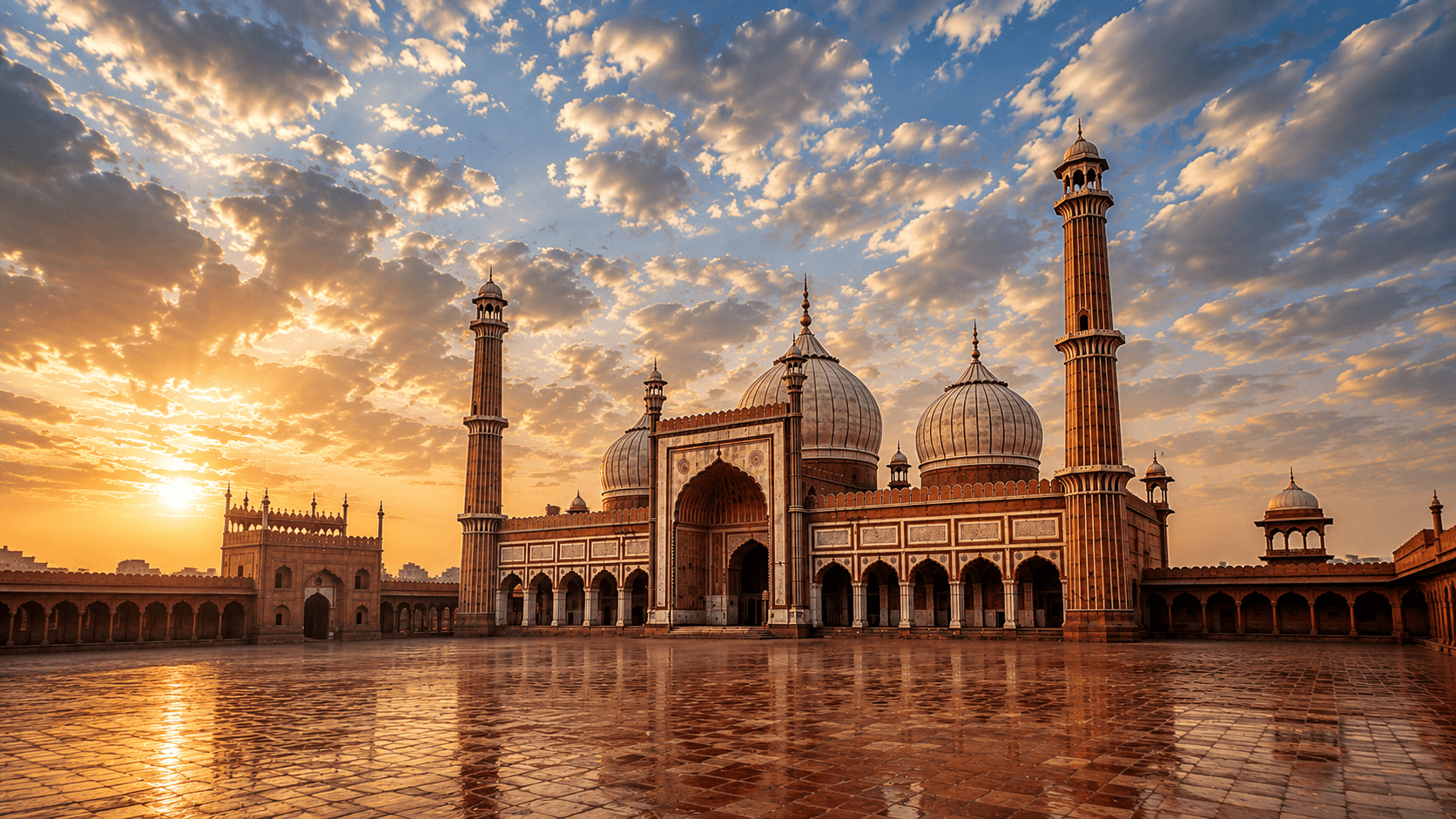
💡 Quick Facts
| Country | India |
| Population | Approx. 20 million |
| Currency | Indian Rupee (INR) |
| Time Zone | IST (UTC+5:30) |
| Official Language | Hindi, English |
| Best Season to Visit | October to March |
| Nearest Airport | Indira Gandhi International Airport |
| Major Train Station | New Delhi Railway Station |
When is the best season to explore New Delhi?
The best time to visit New Delhi is during the winter months, from October to March, when the weather is most pleasant. During this period, temperatures range from 10°C to 25°C (50°F to 77°F), making it perfect for sightseeing and outdoor activities. The city experiences a vibrant atmosphere with several festivals occurring during this time, such as Diwali and Christmas. Although the summers from April to June can be extremely hot with temperatures soaring above 40°C (104°F), the monsoon season from July to September brings heavy rains, creating a muggy climate. Therefore, for an enjoyable experience filled with outdoor exploration, visiting during the winter months is highly recommended.
Top Tourist Attractions
Must-visit places in New Delhi
Red Fort
The Red Fort, a UNESCO World Heritage Site, is an iconic symbol of India’s rich history and architectural brilliance. Built in the mid-17th century by Mughal Emperor Shah Jahan, this magnificent fortress is renowned for its red sandstone walls, intricate carvings, and beautiful gardens. The fort houses several museums that showcase artifacts from the Mughal era. Visitors can enjoy guided tours that narrate tales of its illustrious past, culminating with the iconic flag-hoisting ceremony on Independence Day. The Red Fort not only serves as a historical monument but is also a vibrant venue for cultural events.
India Gate
India Gate, a war memorial dedicated to the soldiers who died in World War I, is a breathtaking archway located at the heart of New Delhi. Standing at 42 meters tall, the monument is surrounded by lush green lawns, making it a popular picnicking spot for both locals and tourists. At night, the monument is beautifully illuminated, creating a picturesque scene perfect for evening strolls. The nearby Amar Jawan Jyoti, which honors the unknown soldiers, adds a layer of solemnity and significance, making a visit to India Gate both a tribute and enjoyment of Delhi’s beautiful public spaces.
Qutub Minar
Qutub Minar, another UNESCO World Heritage Site, is the tallest brick minaret in the world, standing at a height of 73 meters. It was built in the 12th century and showcases the exquisite craftsmanship of Indo-Islamic architecture. Visitors can explore the surrounding Qutub complex, which includes several other historical structures, such as the Iron Pillar, a testament to ancient Indian metallurgy that has not rusted for over 1,600 years. The serene atmosphere and stunning architecture make it a must-visit site for anyone interested in history and culture.
Lotus Temple
The Lotus Temple, known for its distinctive flower-like shape, is a Bahá'í House of Worship that invites people from all religions to meditate and reflect. Opened in 1986, this architectural marvel is set amidst lush gardens and provides a serene escape from the city’s chaos. Its stunning white marble petals and tranquility attract thousands of visitors daily, making it a beautiful spot for both spiritual seekers and tourists. The temple emphasizes unity and peace, making for an enriching experience during your visit to New Delhi.
Humayun's Tomb
Humayun's Tomb is an exquisite exemplar of Mughal architecture and the first garden tomb in India, influencing the design of later monumental constructions. Built in the 16th century, it is the final resting place of Emperor Humayun and features stunning Persian-style gardens, reflecting pools, and intricate domes. The site is a UNESCO World Heritage Site, depicting the grandeur of Mughal landscaping. A visit to Humayun’s Tomb provides insight into India’s Mughal past and offers visitors scenic views ideal for photography.
Major Events & Festivals
Key events and culture highlights
Diwali
Diwali, also known as the Festival of Lights, is one of the most vibrant celebrations in New Delhi, usually held in October or November. During this time, the city is adorned with colorful lights, fireworks, and festive decorations. People celebrate by sharing sweets, exchanging gifts, and lighting oil lamps (diyas) to symbolize the victory of light over darkness. Major markets and temples come alive with joyous activities and special ceremonies, making it a culturally enriching experience for both locals and visitors.
Holi
Holi, known as the Festival of Colors, is celebrated with enthusiasm in New Delhi, marking the arrival of spring. This festival usually takes place in March, where revelers play with colored powders and water, enjoying playful festivities that symbolize the victory of good over evil. Public parks and streets become vibrant with laughter and music as people of all ages partake in this joyful celebration. Holi in Delhi is an unforgettable experience as it showcases the spirit of unity, diversity, and celebration.
Republic Day Parade
The Republic Day Parade, held annually on January 26th, showcases India’s cultural heritage and military prowess. The parade takes place at Rajpath and features a magnificent display of floats representing various states, traditional dances, and military regiments. It attracts a large audience, including dignitaries and tourists from around the world. Attending this grand event is a fantastic opportunity to witness the spirit of patriotism and celebration of Indian democracy.
Frequently Asked Questions
Explore New Delhi Guides & Articles
Discover handpicked tips, hidden gems, and local insights for your stay.
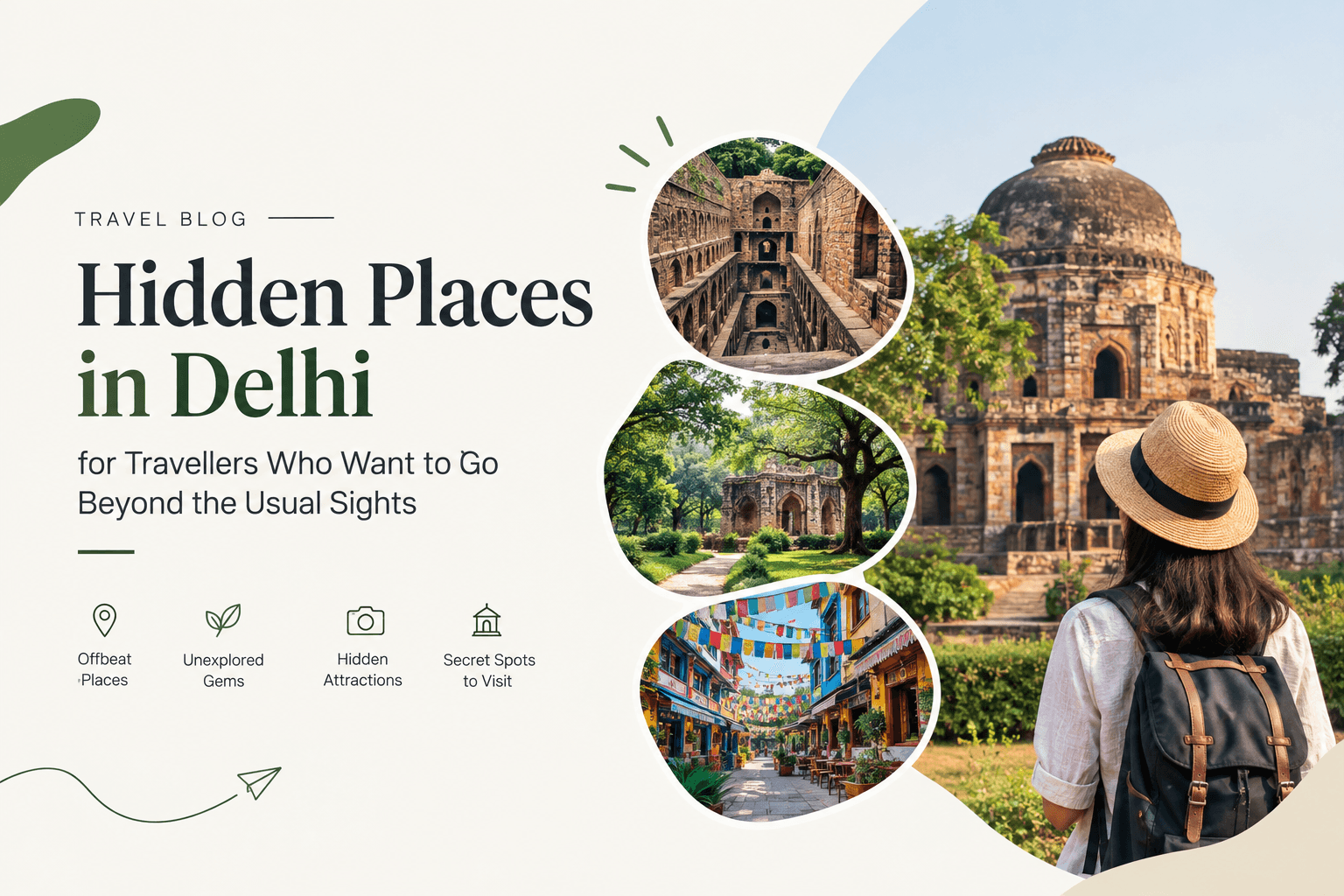
Hidden Places in Delhi for Travellers Who Want to Go Beyond the Usual Sights
Delhi is a city where famous monuments often tell only part of the story. Beyond the Red Fort, India Gate, Qutub Minar and Humayun’s Tomb lies another Delhi of forest trails, forgotten tombs, old village lanes, baolis, atmospheric ruins and neighbourhoods where history still feels woven into everyday life.
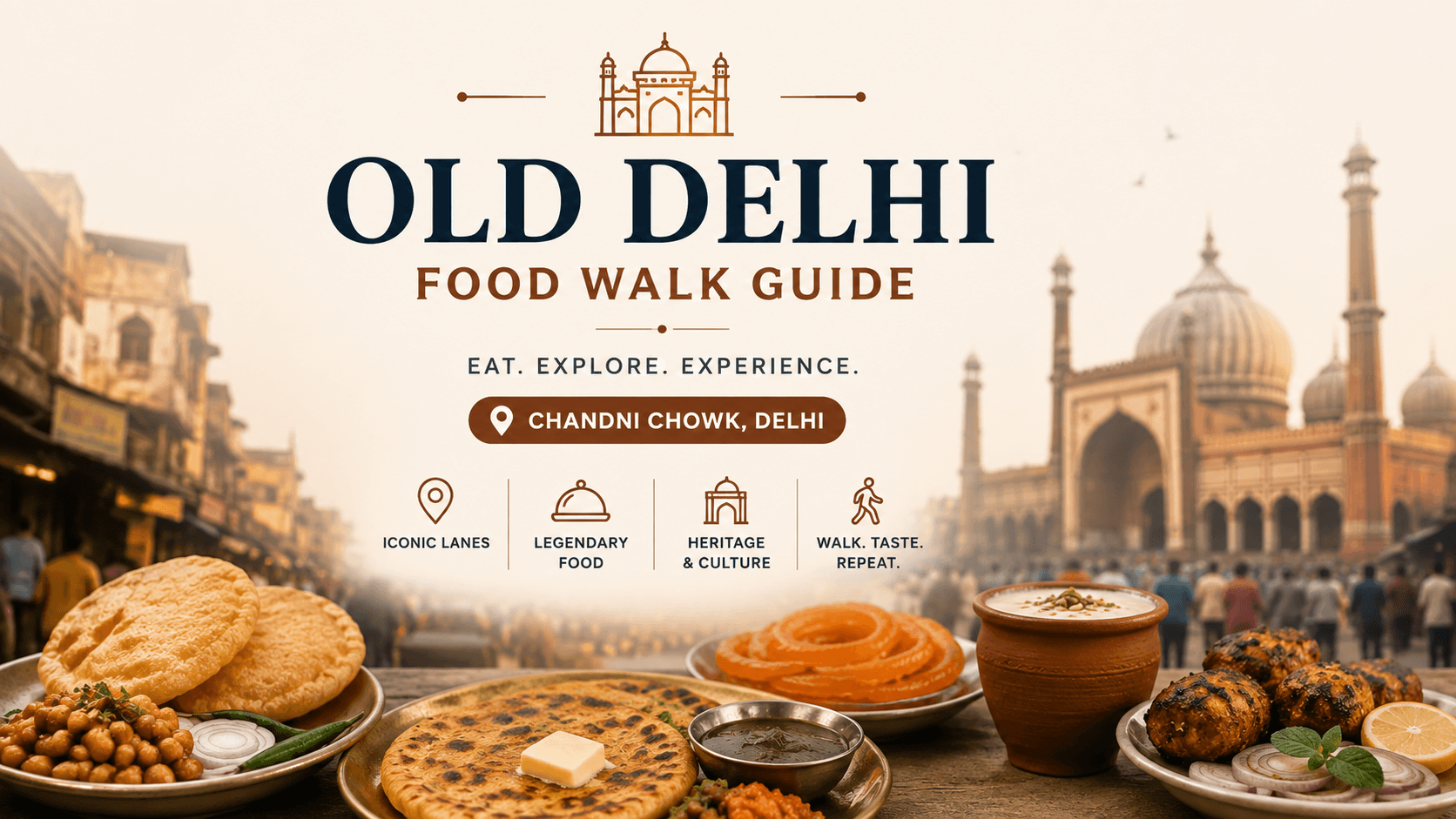
Old Delhi Food Walk Guide
Chandni Chowk was developed as the commercial heart of Shahjahanabad, while the surrounding lanes evolved into specialised marketplaces. Today, the area still combines food, shopping and heritage within a remarkably compact part of central Delhi.
