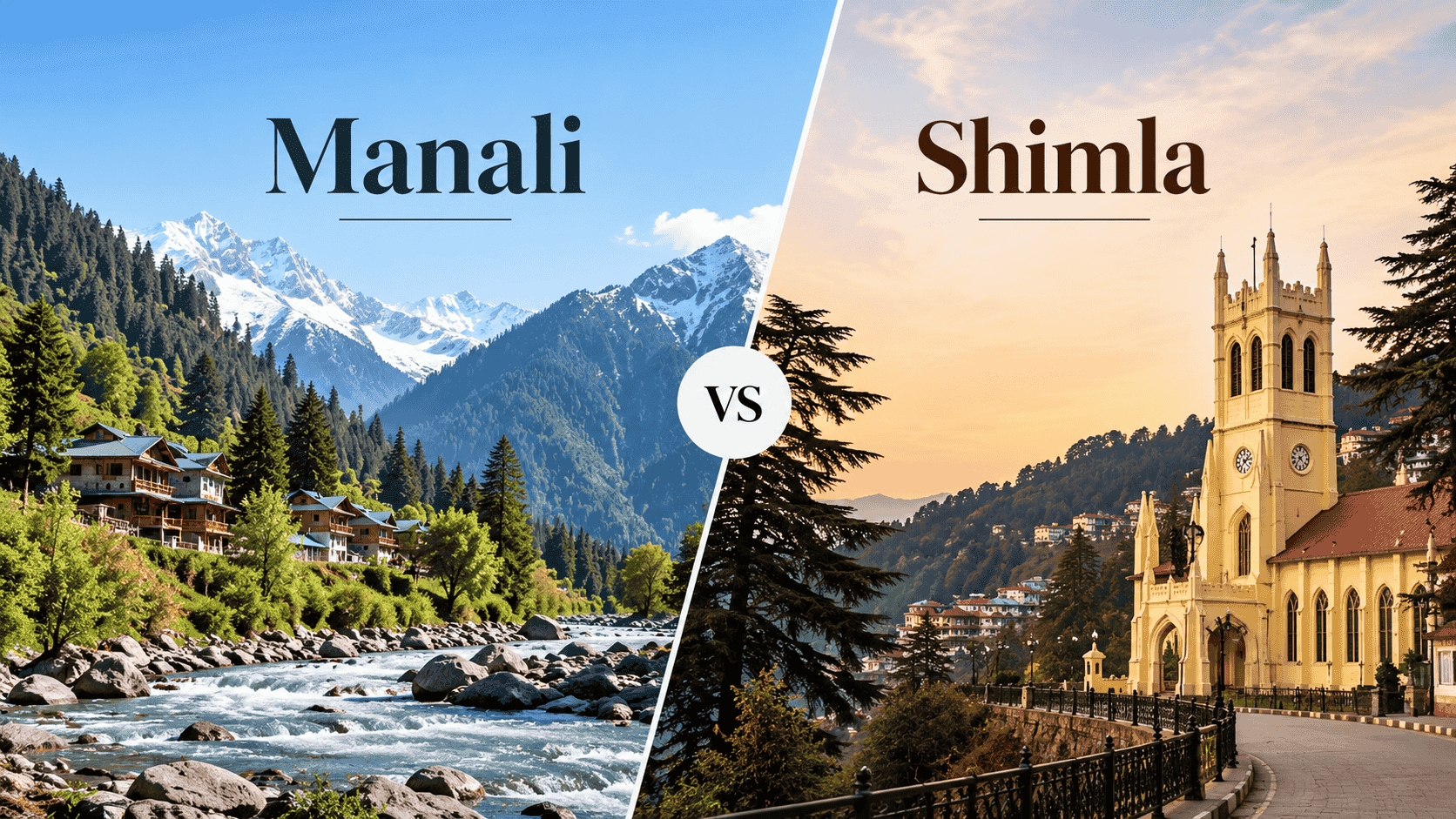
Shimla or Manali is one of the most common questions for anyone planning a first or return trip to the Himachal hills. Both offer cool air, mountain views and a break from the plains, yet the experience each delivers is quite different.
Shimla is the more accessible, heritage-focused choice with colonial architecture and easy walks. Manali leans into open valleys, adventure and a stronger sense of being deep in the mountains. This Manali vs Shimla comparison looks at distance, atmosphere, activities and stay areas so travellers can match the destination to the kind of trip they actually want.
Accessibility and Journey Time
Shimla sits closer to the plains. From Delhi the road distance is roughly 340–370 km and the drive typically takes seven to nine hours under normal conditions. The Kalka–Shimla toy train adds a scenic alternative for those who prefer rail. Once in town, most central sights are reachable on foot or with short local transfers.

Manali requires a longer commitment. The road distance from Delhi is around 540–570 km and the journey usually stretches to ten to fourteen hours depending on traffic and stops. There is no direct train; the nearest major railheads are further away and most visitors arrive by overnight bus or private vehicle. The extra hours on the road are part of the trade-off for deeper mountain scenery.
For short breaks of two or three days, Shimla is the more practical option. Manali rewards those who can give it four or five days or more.
Atmosphere and Overall Feel
Shimla carries a clear colonial imprint. The Mall Road, The Ridge, Christ Church and the Viceregal Lodge create a compact, walkable centre that feels organised and familiar. Evenings often centre on the pedestrian stretch of the Mall, with shops, cafés and a steady flow of families. The town is busier in peak season, yet the core remains relatively contained.
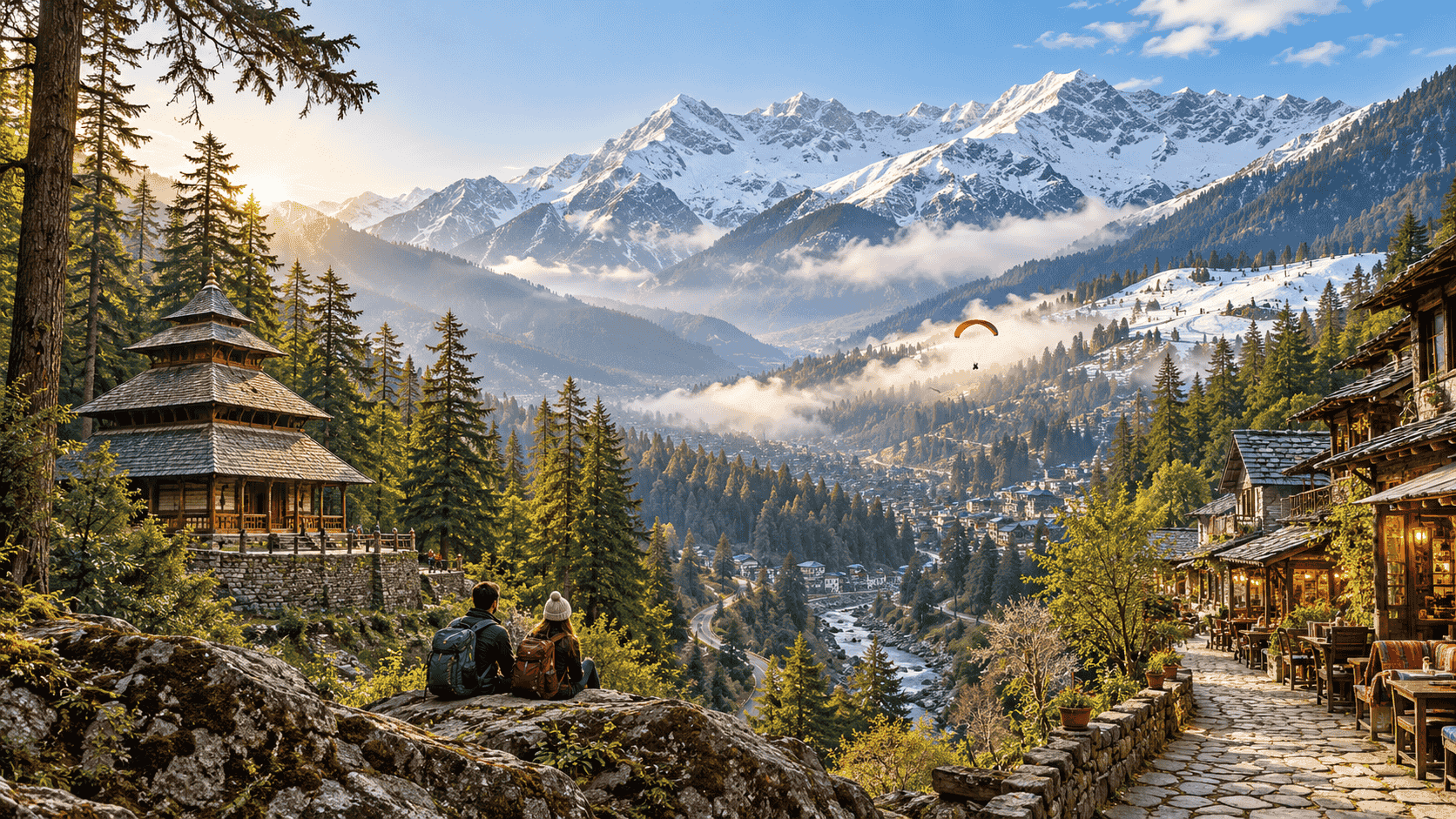
Manali feels more spread out and closer to the high ranges. Old Manali retains a café and backpacker character, while the main market and Hadimba Temple area handle the bulk of day visitors. Solang Valley and the approaches toward Rohtang sit a short drive away and give the sense of being on the edge of larger mountain systems. The overall mood is less formal and more oriented toward outdoor movement.
Activities and Experiences
Shimla’s strengths lie in relaxed sightseeing. A day can include the Mall and Ridge, a short visit to Jakhoo Temple, the Viceregal Lodge, and a half-day outing to Kufri for views or light snow activities in winter. The toy train itself is an experience for many first-time visitors. Adventure options exist but are more limited.
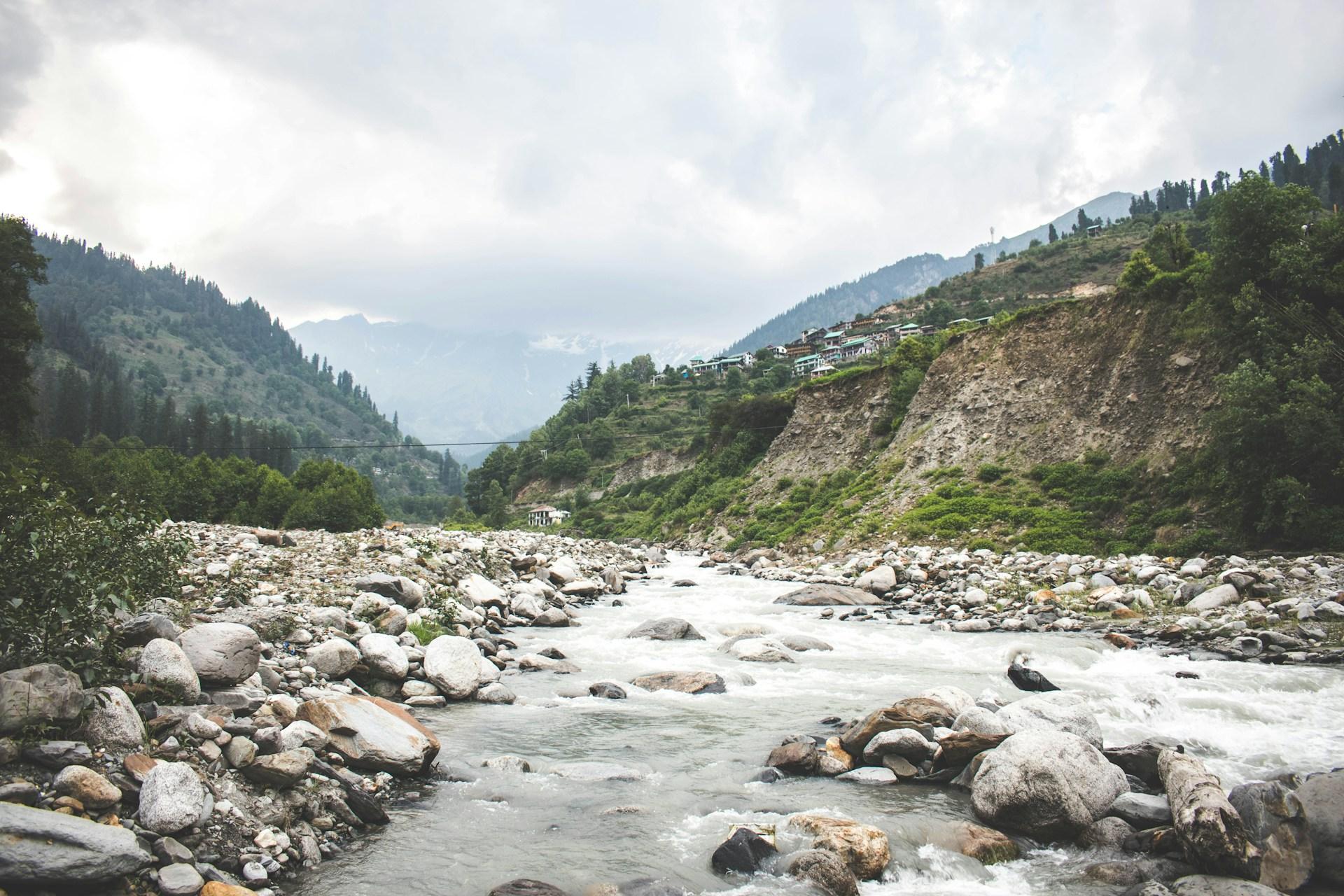
Manali is the clearer choice for adventure and high-altitude scenery. Solang Valley offers paragliding, zorbing and seasonal snow sports. Rohtang Pass (when open and with permits) delivers dramatic high-mountain views. River rafting on the Beas, short treks, and the forest walk around Hadimba Temple add further variety. Old Manali provides a quieter café culture in the evenings.

Families with young children or elders often find Shimla easier to navigate. Groups looking for activity and wider mountain landscapes tend to prefer Manali.
Weather and Seasonal Differences
Both destinations are pleasant from March to June and again in the post-monsoon months of September and October. Summers are cooler in Manali’s higher reaches. Winters bring snow to both, but Manali and the surrounding valleys typically receive heavier and more reliable snowfall, especially around Solang and higher passes.
Shimla’s lower approaches and denser infrastructure make winter visits more straightforward for families. Manali in peak winter can feel more intense, with colder nights and occasional road considerations toward higher points.
Where to Stay in Each Place
In Shimla the most convenient bases sit near the Mall Road, The Ridge or slightly lower stretches that still allow easy access to the pedestrian core. Staying close to the centre reduces the need for repeated climbs or vehicle hops with children or older travellers. When searching for where to stay in Shimla, proximity to the Mall remains the practical priority for most short visits.
In Manali the choice depends on the focus of the trip. Stays near the main market or Hadimba Temple area keep daily logistics simple. Old Manali suits those who prefer a quieter evening atmosphere. Properties closer to Solang work for visitors prioritising adventure activities. Looking at where to stay in Manali with an eye on the main activity zones helps avoid long daily transfers.
In both towns, filtering stays by location and recent guest feedback on platforms such as Goroomgo makes it easier to match the hotel area to the planned pace of the trip.
Who Should Choose Which
Choose Shimla if the priority is a shorter journey, colonial heritage, easy walking, and a comfortable multi-generational or first-time hill experience. It suits families with younger children, seniors, and travellers with only a few days available.
Choose Manali if the priority is open mountain scenery, adventure activities, heavier winter snow, or a longer stay that includes valleys and higher passes. It suits couples, groups of friends, and travellers who are comfortable with a longer road journey.
Many people eventually visit both. A common pattern is Shimla for a first short break, followed later by Manali when more time and appetite for the mountains develop.
Conclusion
Manali vs Shimla is less about one being objectively better and more about matching the destination to the shape of the trip. Shimla offers accessibility, heritage and a contained, walkable centre. Manali offers greater mountain drama, adventure options and a stronger sense of depth.
Once the choice is clear, the practical next step is selecting a stay area that supports the planned activities—close to the Mall in Shimla or near the preferred activity zone in Manali—so the days unfold without unnecessary friction. With that alignment, either hill station can deliver a satisfying break from the plains.

Written by Kunal Paul
Travel Expert
Kunal Paul is a Travel Expert who turns journeys into memorable experiences. With a passion for discovering destinations, local culture, hidden gems, and practical travel insights, he helps travelers explore smarter and better.