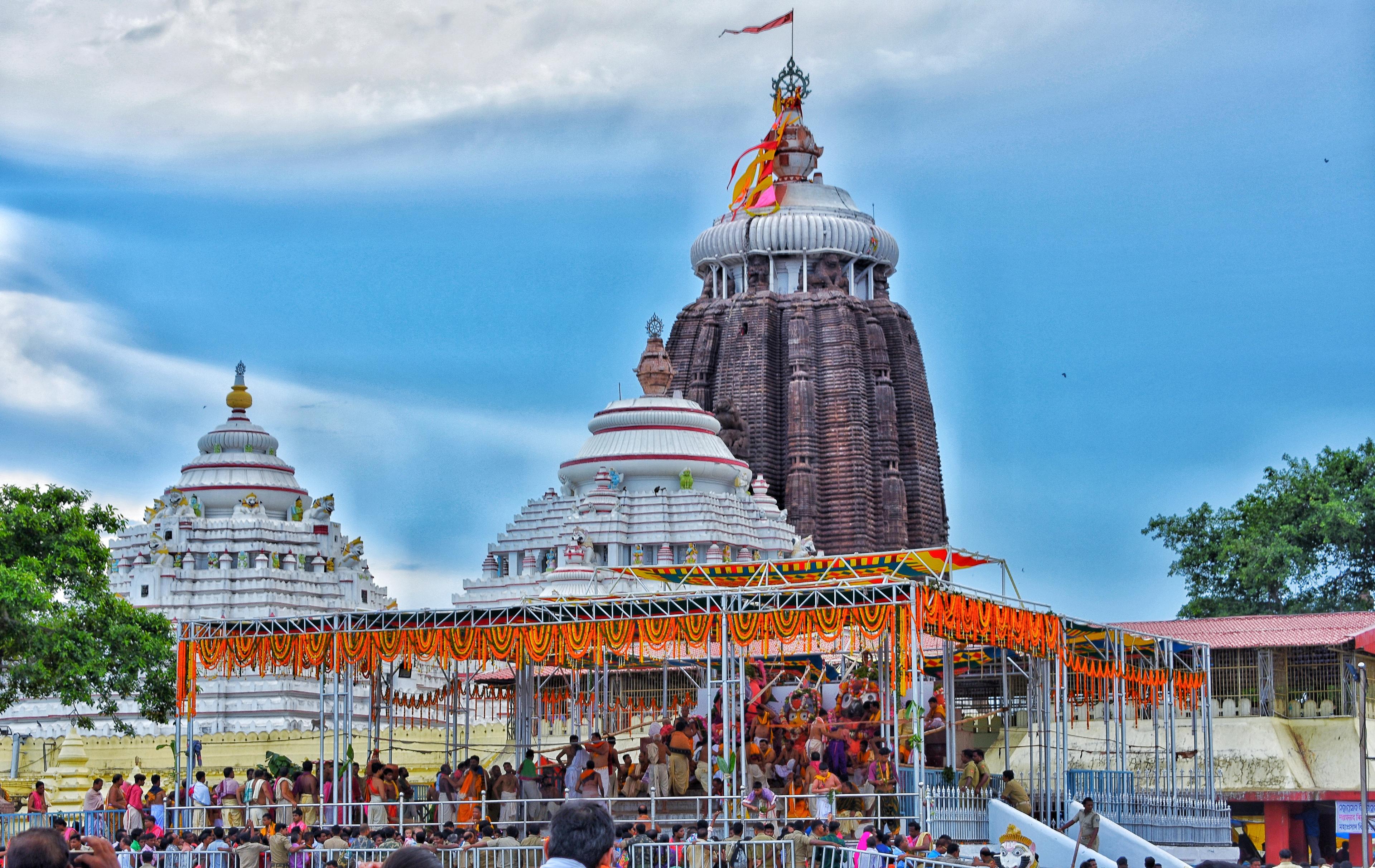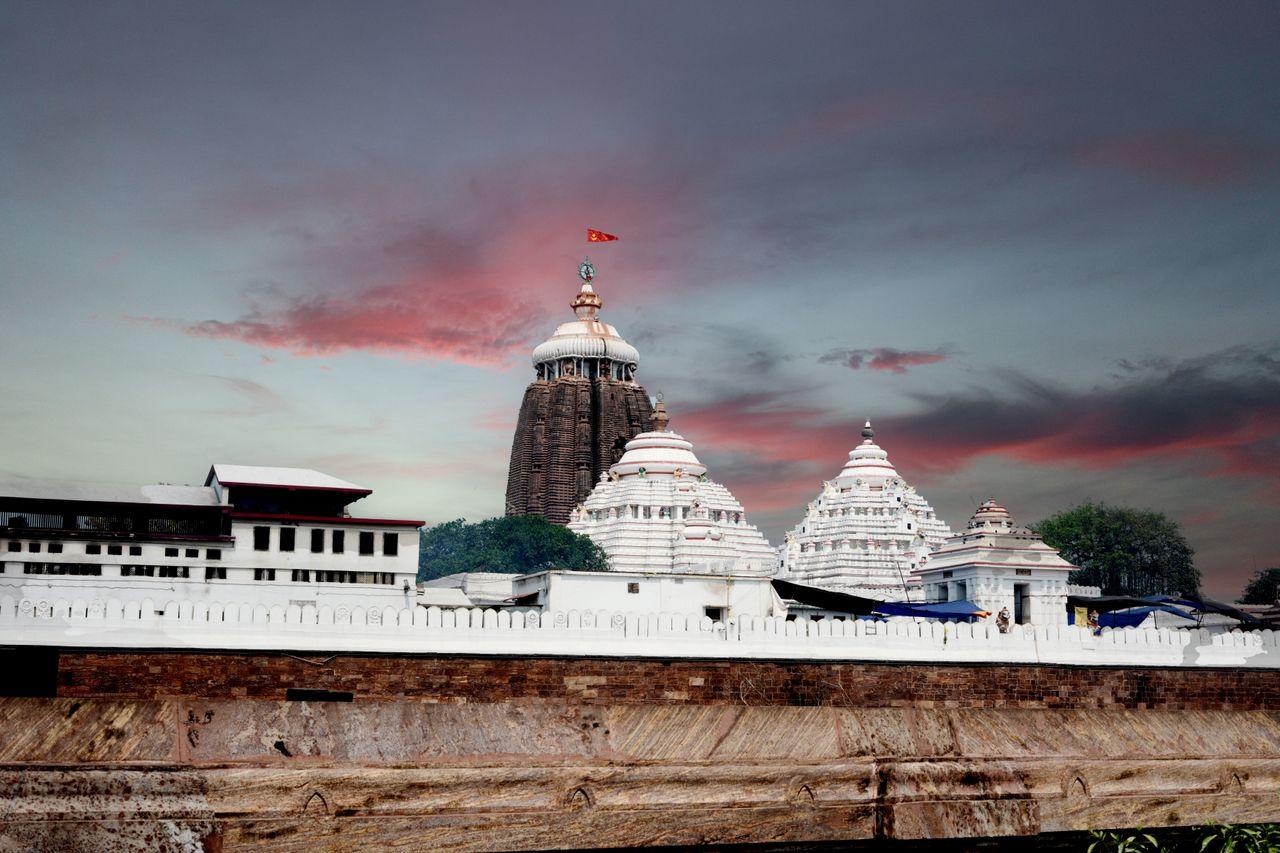
The Shree Jagannath Temple in Puri stands at the centre of Odisha’s spiritual life. For first-time visitors the experience can feel both overwhelming and deeply moving: the scale of the complex, the density of the crowd, the strict entry rules and the unbroken daily cycle of rituals all shape how darshan unfolds.
This Jagannath Temple darshan guide is written for those arriving for the first time. It covers temple timings in Puri, who may enter, dress expectations, the practical sequence of a visit, and how to choose a stay that supports early or late darshan without unnecessary stress.
Who Can Enter the Temple
Only Hindus are permitted inside the main temple complex and the inner sanctum. This is a long-standing tradition of the shrine and is enforced at the gates. Non-Hindu visitors can view the temple exterior and the Nilachakra from the rooftop of the Raghunandan Library opposite the Singha Dwara (Lion Gate).
There is no regular admission fee for general darshan. Anyone offering “special tickets” or guaranteed entry outside the official channels should be treated with caution. Follow only the instructions of temple administration and security staff.

Temple Timings Puri: Daily Schedule and Darshan Windows
The temple generally opens around 5:00 AM with the Dwaraphita and Mangala Alati rituals and closes around 11:00 PM after the final Pahuda. Darshan is not continuous. Access pauses during certain nitis and bhog offerings when the deities are in seclusion.
Typical windows that work well for first-time visitors include the early morning period after Mangala Alati and the Sahanamela slot (often around 7:00–8:00 or 8:30 AM), the afternoon period after the midday rest (from roughly 2:00 PM), and the evening hours after Sandhya Aarti through to the later Chandana Lagi and Badasinghara periods. Exact times shift slightly with the ritual calendar, so checking the day’s notices or the official temple channels on arrival is useful. On ordinary days the early Sahanamela period and the late-evening slots after the main evening rituals tend to feel more manageable than the mid-morning or late-afternoon peaks.
Crowds are usually lighter on weekday mornings before 9 AM and again later in the evening. Weekends, Ekadashi and festival periods draw significantly larger numbers.
Dress Code and What to Leave Outside
Modest, traditional attire is expected. Men are best in dhoti-kurta, pyjama-kurta or full-length trousers with a proper shirt. Women are best in saree, salwar-kameez with dupatta, or other full-coverage traditional clothing. Shorts, sleeveless tops, torn jeans and revealing Western wear are not accepted at the checkpoints.
Mobile phones, cameras, leather items (belts, wallets, bags, shoes), large handbags and umbrellas are not allowed inside. Free cloak and shoe stands operate near the main entry points, including the Singha Dwara. Travelling light and leaving valuables at the hotel simplifies the process.
How the Darshan Experience Unfolds
Most first-time visitors enter through the Singha Dwara on the eastern side. Queues are managed with barricades, and a newer organised flow system has been in place to improve movement. Inside the complex, darshan takes place from designated points (Jagamohana / Bhitar Katha or further out depending on the ritual phase). The atmosphere is intense: the sound of conches, the movement of servitors, the press of devotees, and the sight of the wooden deities on the ratna vedi create a distinctive experience that is quite different from many other major Indian temples.
After darshan, many visitors head to Ananda Bazar for Mahaprasad. The temple kitchen is one of the largest of its kind, and the shared meal is considered an essential part of the pilgrimage for many families. Sharing Mahaprasad is considered by many families to be as important as the darshan itself and is best done with a little time set aside rather than in a rush.

Practical Tips for a Smoother First Visit
Arrive early if you want a calmer morning experience. Keep footwear simple so removal and retrieval are quick. Carry only the minimum cash and essentials. Senior citizens and differently-abled devotees often receive priority assistance; ask temple staff or volunteers if needed. Special arrangements and ramps have been strengthened in recent years for elderly and disabled pilgrims.
During major festivals such as Rath Yatra the entire rhythm of the town changes. Ordinary daily darshan patterns are altered, and advance planning becomes essential. For a first ordinary visit, a weekday outside the peak festival calendar is usually more manageable.
Where to Stay in Puri for Temple Darshan
Location matters. Staying close to the temple or along Grand Road makes early-morning and late-evening visits easier, especially for families with children or elders. The area around the temple is busy and traditional; many budget-friendly hotels in Puri and simple lodges sit within walking distance.
For a quieter base that still allows reasonable access, the Swargadwar and beach-side stretches offer a wider range of family hotels in Puri options with more space and a different atmosphere. These work well if the trip combines darshan with time by the sea.
When comparing stays, look at walking time to the Singha Dwara, the availability of early breakfast or packed options, and recent comments about cleanliness and staff helpfulness with pilgrims. Platforms such as Goroomgo make it straightforward to filter family and budget-friendly options near the temple or the beach so the stay supports the darshan schedule rather than complicating it. A short walk or a quick auto ride to the Singha Dwara makes a noticeable difference when the group includes young children or older members who prefer not to stand for long periods before entry.
Conclusion
A first visit to the Jagannath Temple is shaped as much by preparation as by the moment of darshan itself. Knowing the temple timings in Puri, respecting the entry and dress rules, choosing a practical window, and basing yourself within easy reach of the gates turns an intense experience into a manageable and memorable one.
Whether the priority is an early morning Sahanamela, an evening visit, or simply standing in the presence of the deities with family, a clear Jagannath Temple darshan guide removes most of the uncertainty. With the practical details settled, the focus can remain on the pilgrimage itself.

Written by Kunal Paul
Travel Expert
Kunal Paul is a Travel Expert who turns journeys into memorable experiences. With a passion for discovering destinations, local culture, hidden gems, and practical travel insights, he helps travelers explore smarter and better.