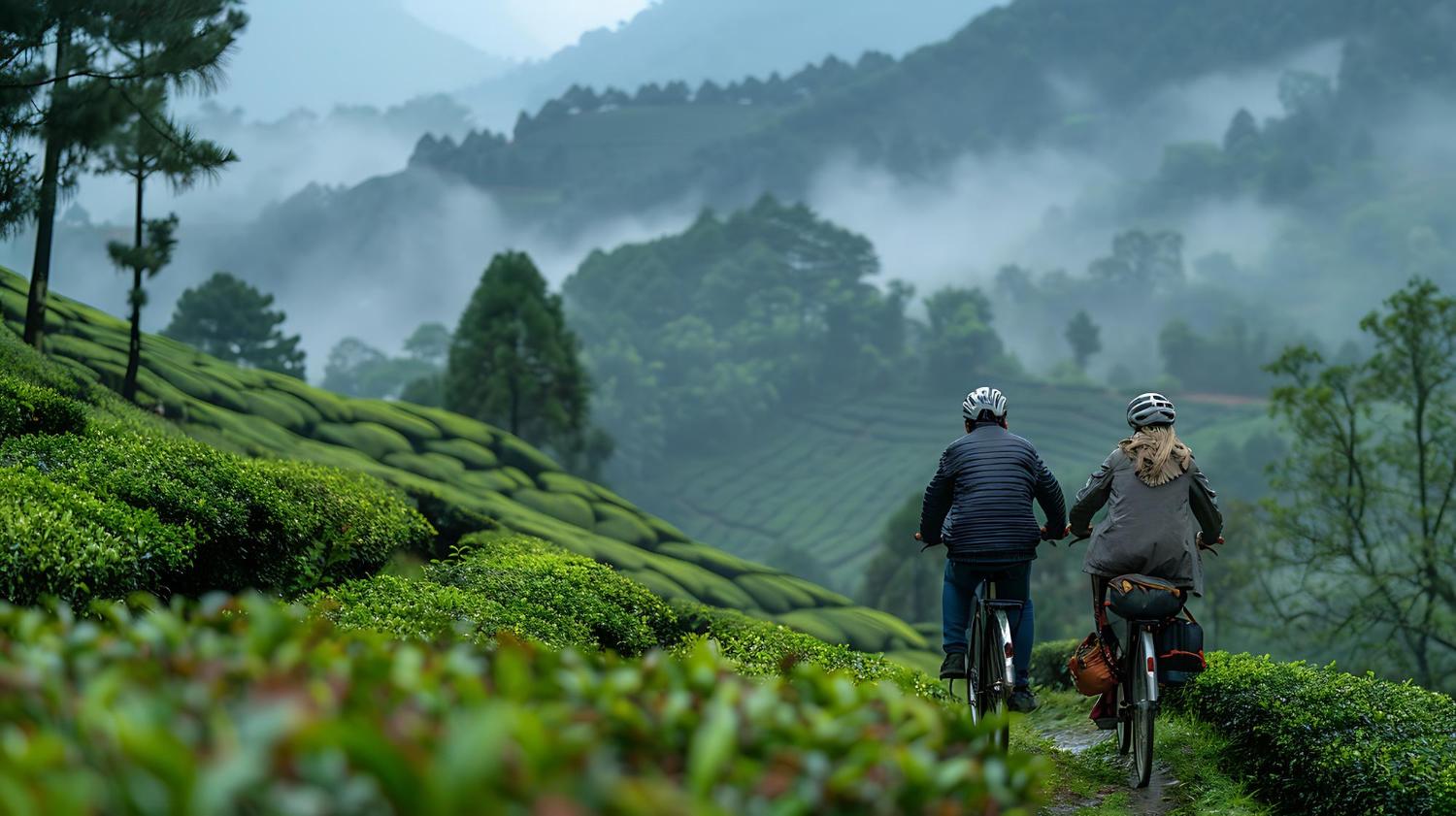
Darjeeling is famous for its Himalayan views, toy trains and unmistakable cup of tea, but the best way to understand its tea culture is to leave the teashop behind and walk into a working plantation. Several tea gardens Darjeeling visitors can experience offer something more memorable than a scenic viewpoint: you can see tea bushes growing along steep slopes, watch leaves being processed, learn how different flushes affect flavour and, in some estates, taste freshly produced tea.
However, not every green hillside around Darjeeling is open to casual visitors. Some estates operate as working plantations, while others offer structured tours, factory visits, tea tastings or accommodation-based experiences. Knowing the difference can save you a wasted journey.
This guide focuses on tea estates where travellers can realistically experience plantation life, including the easily accessible Happy Valley Tea Estate, the eco-tourism experience at Makaibari near Kurseong and the immersive plantation stay at Glenburn. It also explains when to visit, what a tea estate tour Darjeeling experience involves and how to plan your stay around the gardens.
Why Visit a Darjeeling Tea Garden?
A tea plantation visit is different from simply buying Darjeeling tea in a shop. The landscape itself explains much about the character of the tea.
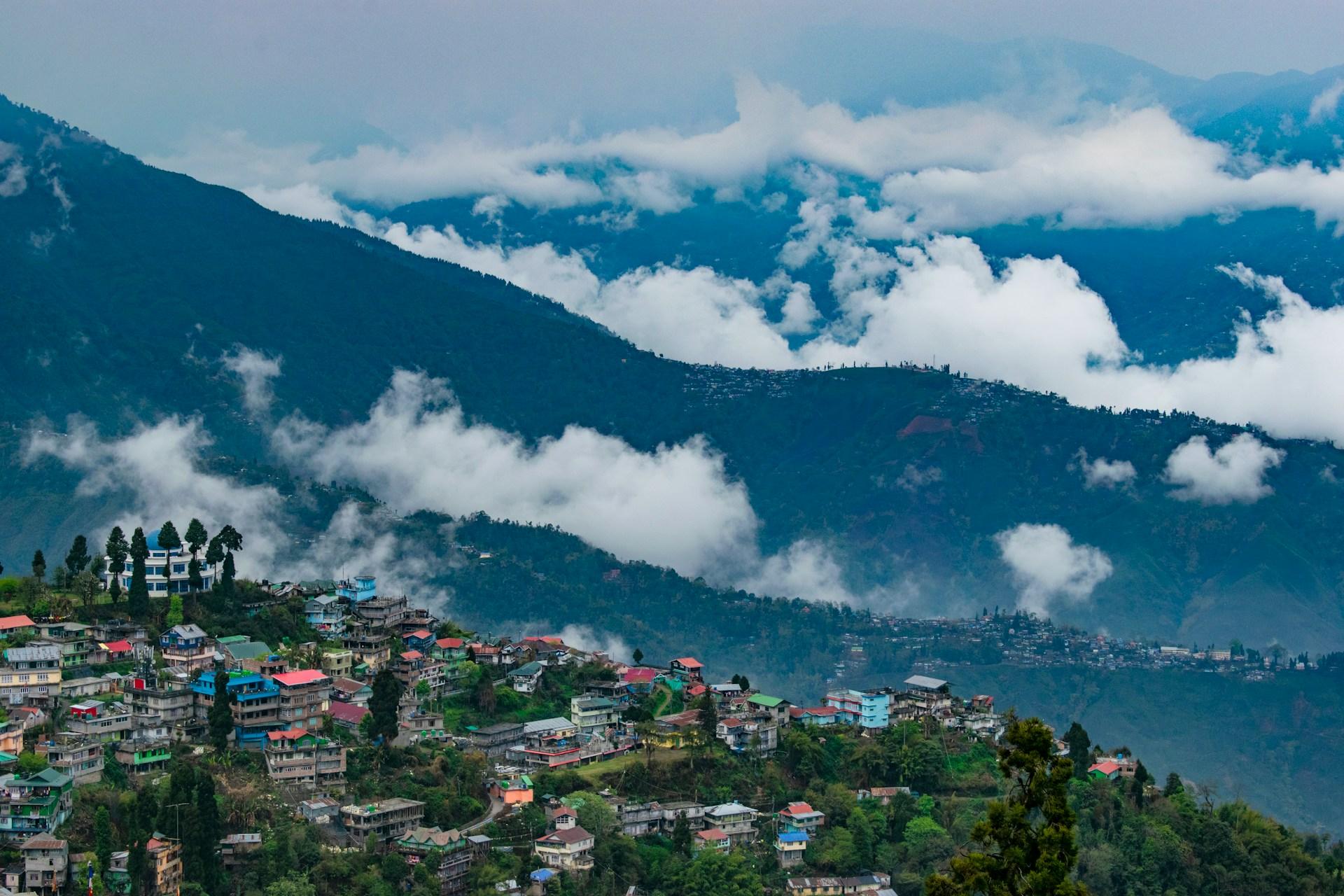
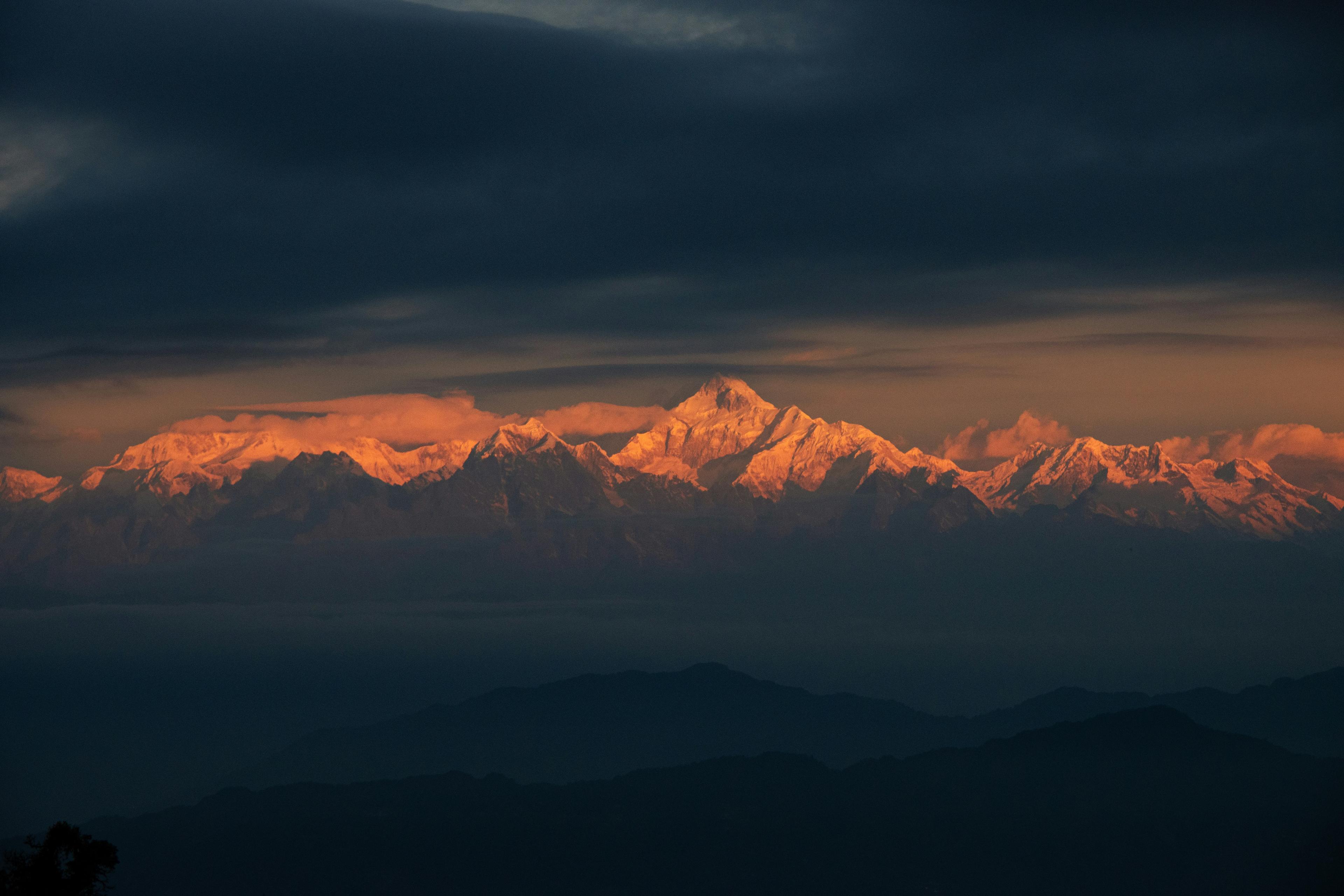
Darjeeling’s plantations climb through mountainous terrain, with rows of tea bushes following the natural contours of the hills. Depending on the season, you may see workers carefully plucking young leaves, hear machinery operating inside a factory or walk through mist-covered gardens with views towards the surrounding Himalayan landscape.
The experience is also seasonal. Tea production generally becomes active from spring onwards, with different flushes appearing through the growing season. This means a visitor in April can encounter a very different plantation atmosphere from someone travelling in December.
For travellers interested in food, agriculture, photography, culture or slow travel, a plantation visit adds depth to a Darjeeling itinerary.
Tea Gardens Darjeeling Visitors Can Actually Visit
1. Happy Valley Tea Estate – The Easiest Introduction
If you have limited time in Darjeeling, Happy Valley is the most practical place to start.
Located roughly 3 km north of Darjeeling town, it is among the closest tea estates to the main tourist area. The Darjeeling district administration describes the estate as having been established in 1854 and covering approximately 177 hectares. It sits at around 2,100 metres above sea level.
The biggest advantage is accessibility. You do not need to dedicate an entire day to reach a remote plantation. You can combine Happy Valley with other nearby Darjeeling experiences and return to town comfortably.
The interesting part is not simply walking among the bushes. When operational, the estate provides an opportunity to understand tea production and see how harvested leaves move through processing. Tea tasting makes the experience more meaningful because you can connect the landscape and production process with what eventually appears in your cup.
The district administration currently lists the estate as open Tuesday to Saturday, from 8:00 AM to 4:30 PM. Since plantation operations can change seasonally, it is sensible to verify access before travelling.
Best for: First-time visitors, short stays, photographers and travellers who want a plantation experience without travelling far from Darjeeling town.
2. Makaibari Tea Estate – For a More Immersive Experience
For travellers willing to travel towards Kurseong, Makaibari offers a more community-oriented approach to tea tourism.
Makaibari is located around 1,500 metres above sea level in Kurseong and is recognised by West Bengal Tourism for its tea and eco-tourism experience. The estate is known for retaining substantial forest cover and for its organic tea-growing history.
Its appeal is broader than a conventional plantation tour. The estate’s own eco-tourism programme describes experiences including tea plucking, tea manufacturing and tea tasting with a tea master. Forest trails, birdwatching and community activities are also part of the experience.
This makes Makaibari particularly interesting if your idea of a tea estate tour Darjeeling is more than taking photographs among tea bushes.
You can learn about the people and processes behind the tea while exploring the surrounding landscape. West Bengal Tourism also highlights village homestays, where visitors can experience local customs and the daily life of tea-growing communities.
Best for: Slow travellers, culture enthusiasts, eco-conscious visitors and anyone who wants a deeper understanding of plantation life.
3. Glenburn Tea Estate – For a Plantation Stay
Glenburn is better suited to travellers looking for an immersive tea-estate experience rather than a quick sightseeing stop.
The plantation sits above the River Rangeet and is associated with views towards the Himalayan landscape. West Bengal Tourism describes it as a plantation retreat established in 1859, while the estate itself offers tea experiences alongside nature walks, village excursions and other activities.
One of Glenburn’s biggest advantages is that the tea experience does not depend entirely on the peak plucking months. The estate states that tea production generally runs from late February through November, covering the first, second, monsoon and autumn flushes. During December, January and early February, there is no picking, but the estate continues activities such as pruning preparation, factory tours and tea-tasting sessions.
That makes Glenburn useful for travellers visiting outside the main production season.
The estate also offers guided tea-estate and factory experiences as part of its stay programme, along with hiking, nature walks and excursions around Darjeeling.
Best for: Couples, slow-travel enthusiasts, luxury travellers and visitors who want tea culture to be a central part of their holiday.

What Is a Tea Estate Tour Darjeeling Experience Really Like?
A good plantation visit usually has several layers.
First comes the landscape. Walk slowly rather than treating the garden as a photo stop. Look at how tea bushes are arranged along slopes and notice the changing elevation and vegetation.
Next comes the production story. Depending on the estate and season, you may see freshly picked leaves, factory machinery and the stages involved in turning green leaves into finished tea.
Then comes tasting.
Tea tasting is where the experience becomes surprisingly technical. Factors such as growing conditions, harvest timing, processing and the flush can influence aroma, body and flavour. Instead of asking only whether you “like” a tea, notice its fragrance, strength, sweetness, astringency and finish.
At estates offering deeper experiences, conversations with tea workers, guides or tea specialists can reveal details that are impossible to understand from a packaged box of tea.
When Is the Best Time to Visit?
The answer depends on what you want to see.
March to May: This is one of the most interesting periods for travellers who want to see tea production becoming active. Happy Valley identifies March to May as its busiest period for plucking and processing.
June to September: The monsoon transforms the hills into an intensely green landscape. However, rain, cloud and road conditions can affect sightseeing. Plan flexible schedules rather than packing too many outdoor activities into one day.
October to November: This can offer a pleasant balance of clearer mountain scenery and ongoing tea activity. Glenburn notes that production continues through the autumn flush towards the end of November.
December to February: Do not automatically rule out a winter visit. You may not see active plucking, but some estates continue factory tours and tea-tasting experiences. The landscape is quieter, and Darjeeling itself can be appealing for travellers who prefer a slower atmosphere.
Practical Tips Before Visiting a Tea Estate
Check Access Before Leaving
A working tea estate is not the same as a public park. Opening days, factory access and guided experiences can vary. Confirm the current arrangements directly with the estate before setting out.
Start Early
Morning is generally the better time for plantation walks. You get softer light for photography and a better chance of enjoying the landscape before clouds become heavier.
Wear Practical Shoes
Tea gardens are built on hillsides. Paths can be uneven, steep or slippery, particularly during the monsoon. Comfortable footwear with good grip is more useful than fashionable shoes.
Carry a Light Rain Layer
Darjeeling weather can change quickly. A compact rain jacket or umbrella is worth carrying even when the morning begins clear.
Respect Plantation Workers
Tea gardens are working agricultural landscapes. Avoid stepping into planted areas without permission, blocking workers or photographing people at close range without consent.
Do Not Plan Too Many Estates in One Day
This is an important planning mistake. Three plantation visits can sound impressive on paper but may turn the experience into a race between taxis.
Choose one estate that matches your interests and give yourself enough time to walk, observe and taste.
How to Combine Tea Gardens with a Darjeeling Trip
Happy Valley works particularly well within a Darjeeling town itinerary. You can pair it with nearby attractions such as Chowrasta, Mall Road, Observatory Hill, Mahakal Temple and the Himalayan Mountaineering Institute.
If you choose Makaibari, consider making Kurseong part of the itinerary rather than treating the estate as a quick detour. Its location provides an opportunity to experience a quieter side of the Darjeeling hills.
Glenburn is best approached as a dedicated plantation experience. Its setting and activities make it more suitable for travellers who want to slow down rather than tick off multiple attractions.
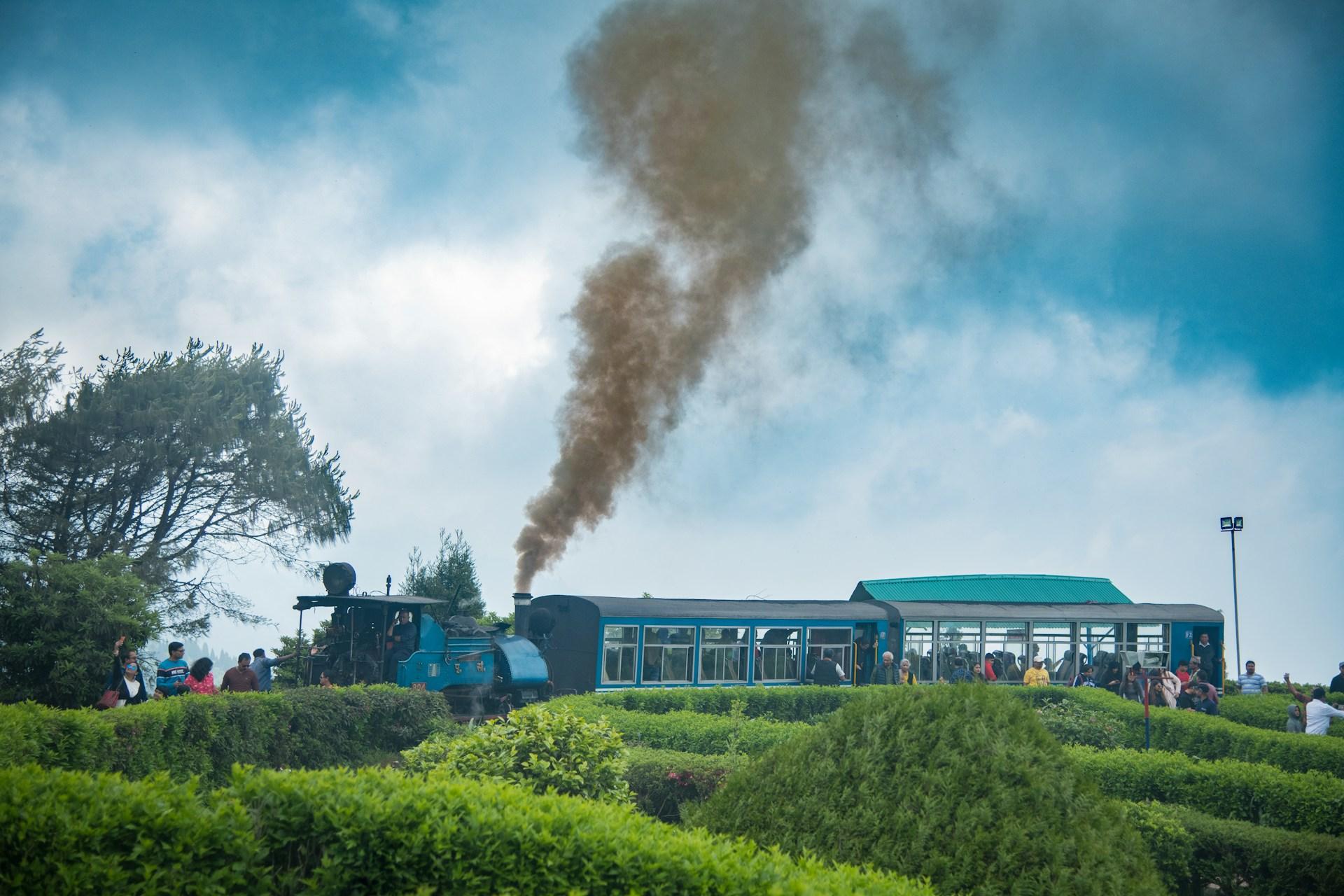
For transport, Bagdogra Airport and New Jalpaiguri Railway Station are the principal gateways for the wider Darjeeling region. From there, travellers generally continue by road into the hills. The historic Darjeeling Himalayan Railway also remains one of the destination’s signature experiences and can be incorporated into a longer itinerary.
Where to Stay in Darjeeling
Your accommodation location can make a noticeable difference to a tea-focused trip.
Chowrasta and Mall Road: Best for first-time visitors who want restaurants, shops, sightseeing and easy access to central Darjeeling.
Chowk Bazaar: Useful for travellers interested in local markets and everyday town life. Happy Valley is also relatively accessible from this side of town.
Lebong area: Worth considering if you prefer a quieter setting and want to remain close to the lower tea-estate landscape.
Kurseong: The stronger choice if Makaibari is a major reason for your trip. Staying locally reduces the pressure of making the estate a rushed day excursion.
When comparing hotels, consider road access, parking, heating, views, breakfast timing and distance from your planned attractions—not simply the room price.
Goroomgo can be useful for comparing available accommodation in Darjeeling and choosing a stay that fits your sightseeing plan. Since tea estates can be spread across the hills, choosing the right base can make the overall itinerary considerably more comfortable.

A Better Way to Experience Darjeeling’s Tea Country
The most rewarding plantation visit is rarely the one where you see the greatest number of gardens. It is the one where you understand what you are looking at.
Spend time among the bushes. Ask how the tea changes through the season. Taste different styles. Watch the workers and machinery where access is permitted. Notice the relationship between the plantations, forests, villages and mountain terrain.
Happy Valley is the easiest introduction from Darjeeling town. Makaibari provides a richer eco-tourism and community experience around Kurseong. Glenburn offers the most immersive option for travellers who want to stay within a working tea estate environment. Each gives you a different perspective on the region’s tea culture.
For anyone planning a trip around tea gardens Darjeeling is not simply a destination for buying famous tea—it is a place where the landscape, people and production process can become part of the journey. Choose your estate according to your available time and interests, book accommodation strategically, and leave enough room in your itinerary to slow down and enjoy the hills.

Written by Moumita Mondal
Travel Writers & Hospitality Experts
We are dedicated to bringing you the best budget travel tips, hotel reviews, destination guides, and stories to inspire your next adventure across India.