
Sort By
Filter By:
GoRoomgo Smart Search
BetaDescribe what you're looking for (e.g. "hotels under 1000", "3 star with breakfast")
Total Price
Payment Type
Property Type
Hotel Facilities
Room Amenities
Meal Plans Available
Property Class
Customer Rating

Sorry, No property matches your search.
Please change your filters to view other properties.
Discover Jaipur
Your complete guide to exploring, staying, and experiencing the best of Jaipur
About the City
A detailed overview of Jaipur
💡 Quick Facts
| Country | India |
| State | Rajasthan |
| Founded | 1727 |
| Population | Approx. 3 million |
| Languages Spoken | Hindi, English, Rajasthani |
| Currency | Indian Rupee (INR) |
| Time Zone | IST (UTC+5:30) |
| Airport | Jaipur International Airport |
When is the best season to explore Jaipur?
The best time to visit Jaipur is during the cooler months from October to March. During this period, the weather is pleasant and ideal for sightseeing. Daytime temperatures range from a comfortable 20°C to 25°C, while nights can be cooler, making it perfect for outdoor activities and exploring iconic attractions like the Amber Fort and City Palace. Additionally, this season coincides with various local festivals, allowing visitors to immerse themselves in the vibrant culture of Jaipur. It is advisable to avoid the summer months from April to June, as temperatures can soar above 40°C, making it quite uncomfortable for travel.
Top Tourist Attractions
Must-visit places in Jaipur
Amber Fort
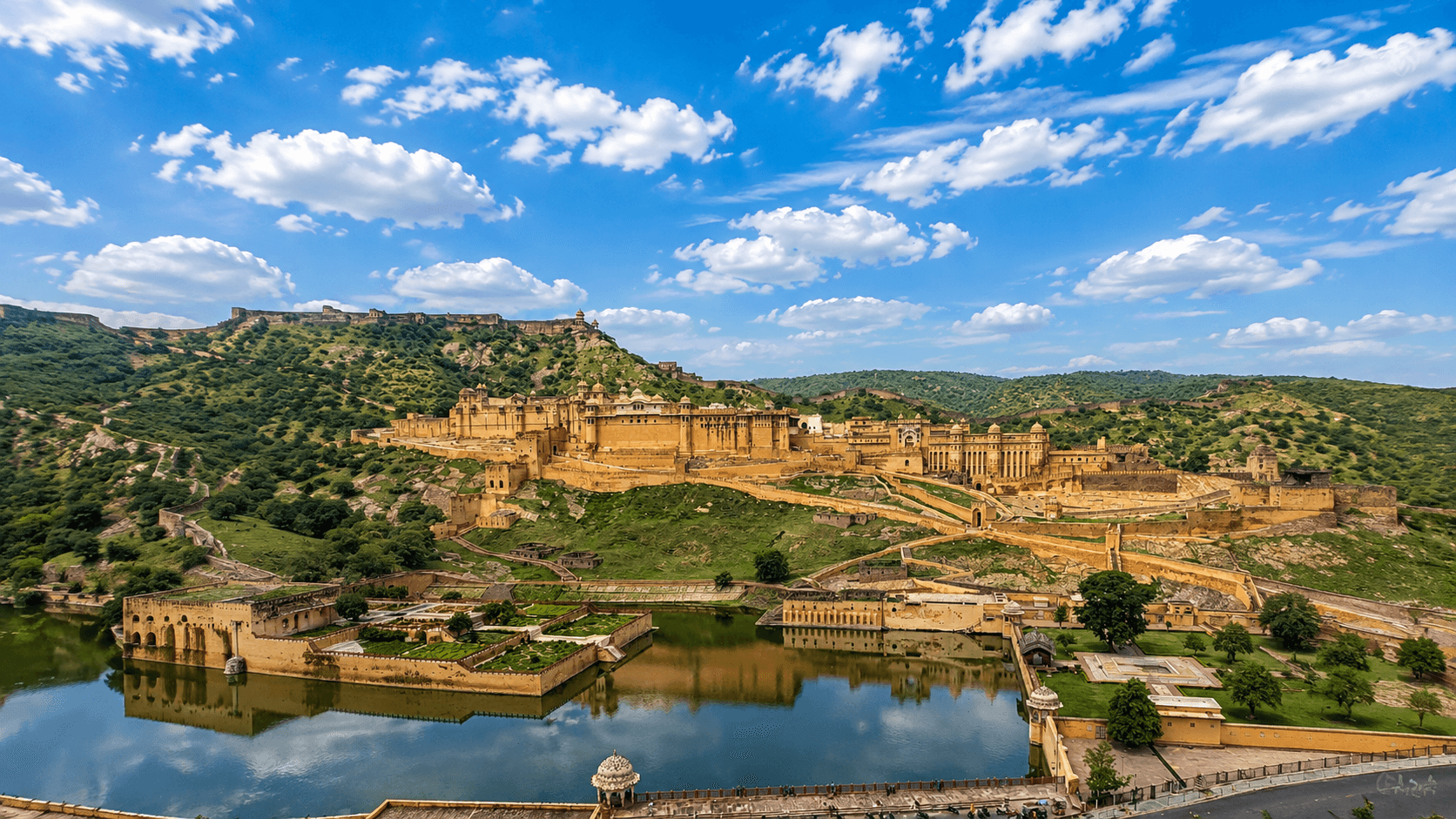
The Amber Fort, a UNESCO World Heritage Site, is a magnificent blend of Hindu and Mughal architecture. Built in 1592, this fort features sprawling courtyards, majestic palaces, and beautiful gardens. Visitors can explore the intricate carvings and mirror work in the Sheesh Mahal (Hall of Mirrors) and enjoy panoramic views of the surrounding hills and Maota Lake. The fort's architecture and history make it a must-visit site for anyone exploring Jaipur.
City Palace
The City Palace, a splendid architectural marvel, is a symbol of Jaipur's royal heritage. Built by Maharaja Sawai Jai Singh II, this grand palace complex houses museums, courtyards, and gardens. Visitors can learn about the history of the royal family and view a collection of artifacts, textiles, and weaponry. The impressive architecture showcases a harmonious blend of Rajasthani and Mughal styles, making it a must-visit attraction.
Hawa Mahal
Hawa Mahal, also known as the Palace of Winds, is an emblem of Jaipur. Its unique design features a façade adorned with 953 small windows or jharokhas, which allowed royal ladies to observe street festivities without being seen. The pink sandstone structure, built in 1799, is a stunning sight, especially when lit up at night. Visitors can explore the museum inside and capture stunning photographs of its remarkable architecture.
Jantar Mantar
Jantar Mantar, an astronomical observatory, is a UNESCO World Heritage Site featuring a collection of architectural astronomical instruments. Built in the 18th century by Maharaja Jai Singh II, it showcases an extraordinary blend of science and art. The instruments were used to observe astronomical positions and predict eclipses. Visitors can explore the various instruments and learn about their fascinating functions and significance.
Nahargarh Fort
Perched on the Aravalli hills, Nahargarh Fort offers breathtaking views of Jaipur. Built in 1734, this fort served as a retreat for the royal family and is known for its picturesque setting. Visitors can explore the fort’s ruins, enjoy a peaceful hike, and witness stunning sunsets. It’s an ideal spot for those seeking natural beauty combined with historical significance.
Major Events & Festivals
Key events and culture highlights
Jaipur Literature Festival
Held annually in January, the Jaipur Literature Festival is one of the world's largest literary festivals, attracting writers, thinkers, and readers. The festival features readings, discussions, and workshops, allowing participants to engage with renowned authors and literary icons.
Teej Festival
Teej, celebrated in August, marks the monsoon season and the arrival of festivities. Women dress in vibrant clothes, participate in cultural dances, and engage in prayers for the wellbeing of their husbands. The celebrations reflect the rich traditions of Rajasthan.
Pushkar Camel Fair
Although in the nearby town of Pushkar, the Camel Fair in November is a significant event drawing tourists to Jaipur. This fair showcases camel trading, folk performances, and traditional Rajasthani crafts, providing insight into local culture and heritage.
Frequently Asked Questions
Explore Jaipur Guides & Articles
Discover handpicked tips, hidden gems, and local insights for your stay.

Diwali in Jaipur 2026: Best Places to See Lights & Celebrate
Jaipur turns into one of the most visually striking Diwali destinations in Rajasthan. The old city’s bazaars compete in illumination, heritage façades glow after dark, and the combination of shopping, lights and Pink City architecture creates a festive atmosphere that is both commercial and scenic.
