
Gwalior:1 property found
Sort By
Filter By:
GoRoomgo Smart Search
BetaDescribe what you're looking for (e.g. "hotels under 1000", "3 star with breakfast")
Total Price
Payment Type
Property Type
Hotel Facilities
Room Amenities
Meal Plans Available
Property Class
Customer Rating
Discover Gwalior
Your complete guide to exploring, staying, and experiencing the best of Gwalior
About the City
A detailed overview of Gwalior
💡 Quick Facts
| Location | Madhya Pradesh, India |
| Population | Around 1.5 million |
| Best Time to Visit | October to March |
| Language | Hindi, English |
| Famous For | Gwalior Fort, Tansen Tomb |
| Transportation | Well connected by train and road |
| Nearby Attractions | Sas Bahu Temples, Datia Palace |
| Ideal Duration | 2-3 days |
When is the best season to explore Gwalior?
The best time to visit Gwalior is during the cooler months from October to March. During this period, the weather is pleasant and perfect for exploring the city's historical landmarks and outdoor attractions. The temperature ranges between 10°C to 25°C, making it ideal for sightseeing. Winter is also the time when Gwalior hosts several cultural festivals and events, adding to the vibrancy of your visit. Summers can be quite hot, with temperatures soaring above 40°C, while the monsoon season from June to September brings heavy rainfall, which may not be the best time for travel. Therefore, planning your trip in winter ensures a comfortable experience and the chance to enjoy various local festivities.
Top Tourist Attractions
Must-visit places in Gwalior
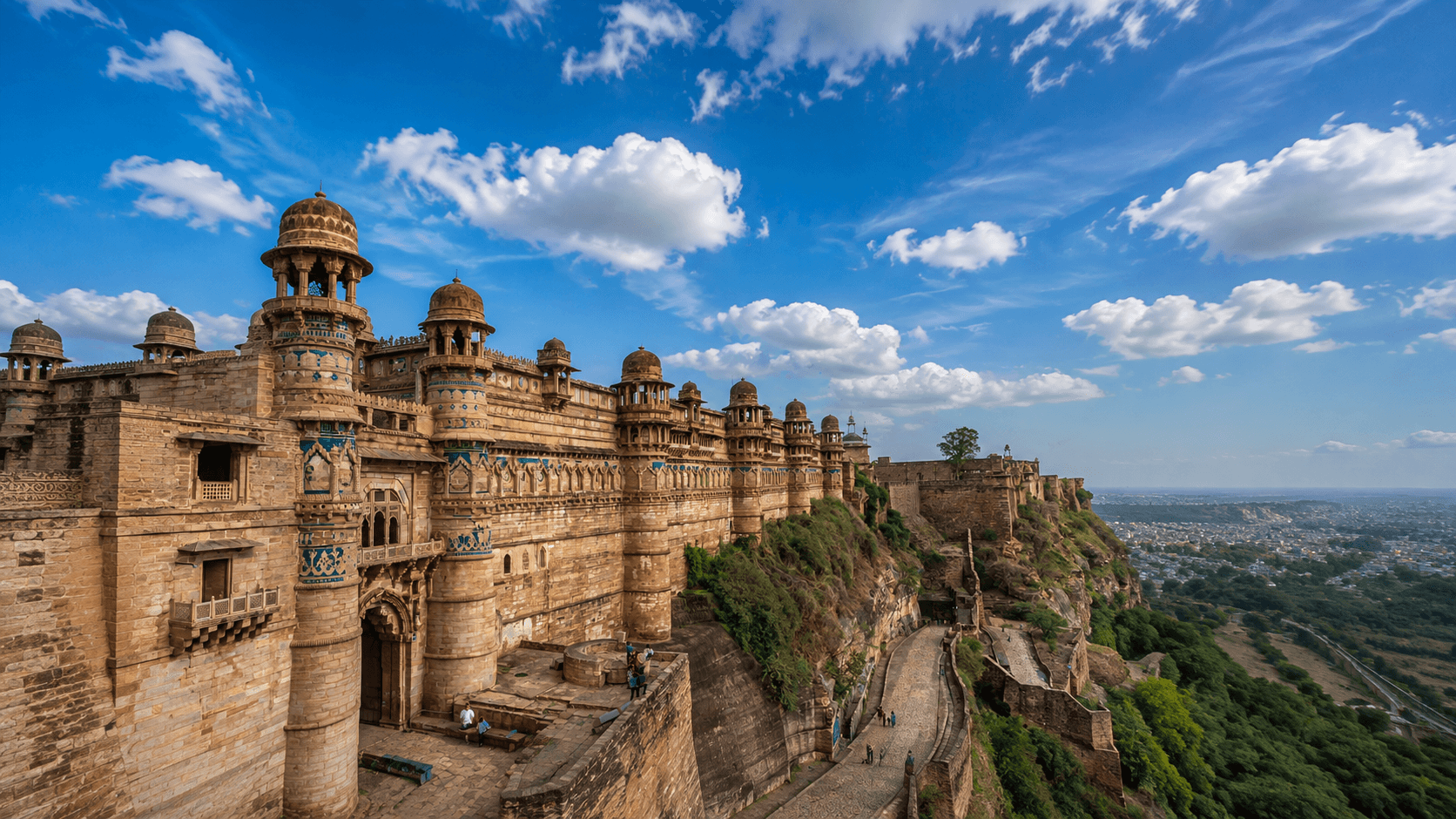
Gwalior Fort
Gwalior Fort is a majestic fortress that stands as a testament to the city’s rich history. Built in the 8th century, it features imposing walls and fascinating palaces. The fort offers spectacular views of the city and is home to significant landmarks like the Man Mandir Palace and the Saas Bahu Temples, showcasing exquisite architecture. Visitors can explore its vast grounds, learn about its royal history, and admire the stunning murals that adorn the walls. This fort is not just a UNESCO World Heritage site but also a great place for photography enthusiasts, making it a must-visit when in Gwalior.
Saas Bahu Temples
The Saas Bahu Temples, also known as the Sahastrabhuja Temple, are a pair of 11th-century temples renowned for their intricate carvings and architecture. Dedicated to the Hindu deities Vishnu and Shiva, these temples are a stunning example of medieval temple art. The detailed carvings on the outer walls depict scenes from Hindu mythology and are a treat for history enthusiasts. The temples reflect the artistic creativity of the period and are surrounded by a serene ambiance. A visit here offers both a spiritual experience and a chance to appreciate the craftsmanship of ancient artisans.
Tansen Tomb
The Tansen Tomb is dedicated to the legendary musician Tansen, one of the 'Navratnas' (Nine Gems) of Emperor Akbar's court. This beautifully preserved tomb is an architectural marvel with its Moghul style landscaping and intricate designs. Visitors can learn about Tansen’s contribution to Indian classical music and the cultural significance of his legacy. The surrounding gardens enhance the beauty of the tomb, providing a tranquil spot for reflection. Additionally, the annual Tansen Music Festival draws music lovers from all over, celebrating the rich musical heritage of Gwalior.
Gwalior Museum
The Gwalior Museum, located within the Gwalior Fort complex, showcases a rich collection of artifacts relating to the history and culture of India. Visitors can explore the exhibits, which include sculptures, coins, and ancient manuscripts. The museum offers insights into the local history, particularly during the Tomar dynasty. It’s an ideal place for those interested in history and archeology. The museum aims to educate visitors about Gwalior’s past while preserving its rich cultural heritage.
Gupta Palace
The Gupta Palace is another historical site in Gwalior that reflects the architectural grandeur of ancient India. This majestic palace, built in the 11th century, features intricate carvings and elegant designs. Surrounded by lush gardens, the palace provides a beautiful backdrop for photographs and leisurely walks. The structure is notable for its unique blend of architectural styles which represent the historical evolution of Gwalior. It is less crowded than the main fort, allowing for a peaceful exploration of its stunning premises.
Major Events & Festivals
Key events and culture highlights
Gwalior Gharana Music Festival
Celebrated annually in Gwalior, the Gwalior Gharana Music Festival is a tribute to the rich musical heritage of the city. This grand event typically takes place in December and features performances by renowned classical musicians. It draws enthusiasts from across the country, showcasing the enchanting art of Indian classical music, especially the Gwalior Gharana style. The festival provides a platform for both established and upcoming artists, making it a significant cultural event that celebrates Gwalior's illustrious musical legacy.
Gwalior Hansraj Football League
The Gwalior Hansraj Football League is an exciting annual event that occurs in the city, usually between September and October. This league promotes local talent and unites football enthusiasts in an energetic atmosphere. Teams compete for the championship, and the event attracts fans from across the region. It encourages sportsmanship and provides a platform for young footballers to showcase their skills, contributing to the city's growing sports culture.
Tansen Samman Samaroh
The Tansen Samman Samaroh is an esteemed festival held in honor of the legendary musician Tansen. It usually takes place in November and features performances by classical artists and musicians. The event celebrates Tansen's contribution to Indian music and provides a space for local talent to shine. Various cultural programs and exhibitions are organized, allowing participants and attendees to delve into the world of music, enriching Gwalior's vibrant cultural tapestry.
