
Bodh Gaya:2 properties found
Sort By
Filter By:
GoRoomgo Smart Search
BetaDescribe what you're looking for (e.g. "hotels under 1000", "3 star with breakfast")
Total Price
Payment Type
Property Type
Hotel Facilities
Room Amenities
Meal Plans Available
Property Class
Customer Rating
Discover Bodh Gaya
Your complete guide to exploring, staying, and experiencing the best of Bodh Gaya
About the City
A detailed overview of Bodh Gaya
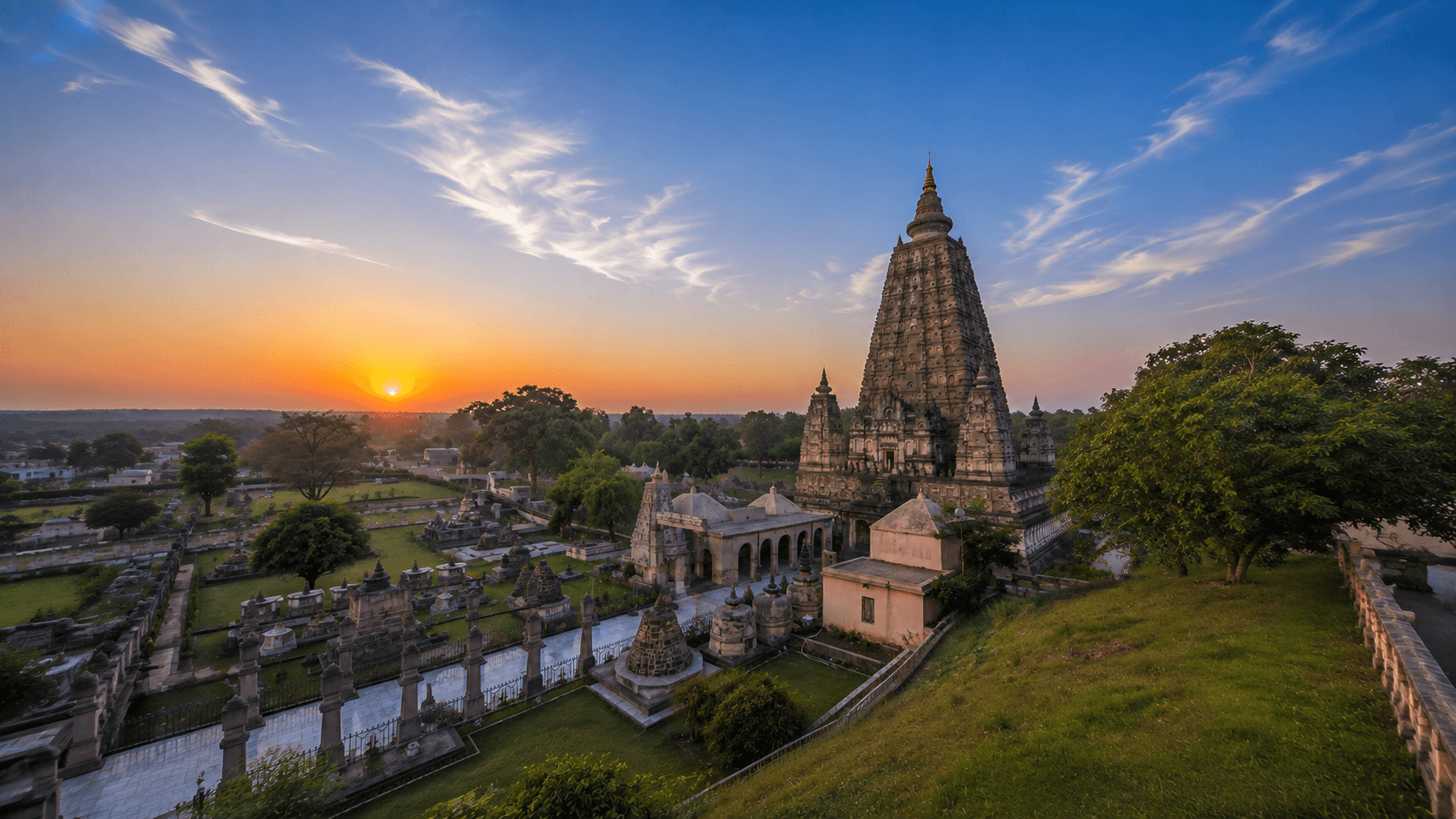
💡 Quick Facts
| Location | Bodh Gaya, Bihar, India |
| Population | 30,000 (approximately) |
| Best Time to Visit | October to March |
| Currency | Indian Rupee (INR) |
| Local Language | Bihari and Hindi |
| Major Religion | Buddhism |
| Famous For | Bodhi Tree and Mahabodhi Temple |
| Airport | Gaya Airport (14 km away) |
When is the best season to explore Bodh Gaya?
The best time to visit Bodh Gaya is between October and March when the weather is pleasantly cool and ideal for sightseeing. During this period, temperatures range between 10°C to 25°C, providing a comfortable climate for tours and exploration. Cultural activities and spiritual retreats often take place during these months, allowing visitors to immerse themselves in authentic experiences. The vibrant atmosphere attracts both pilgrims and travelers, enhancing the town’s energy and charm. While April to June can be quite hot, with temperatures soaring, they can still be bearable for those accustomed to heat. Monsoon season, from July to September, offers lush greenery but may disrupt travel plans due to rainfall. So, planning your visit during the winter months ensures a memorable experience in this spiritual sanctuary.
Top Tourist Attractions
Must-visit places in Bodh Gaya
Mahabodhi Temple
The Mahabodhi Temple, a UNESCO World Heritage Site, is the heart of Bodh Gaya and an iconic site for Buddhist pilgrims. It stands majestically where Siddhartha attained enlightenment. The temple features an exquisite architectural style, complete with a grand towering spire and surrounding manicured gardens that offer a tranquil atmosphere for meditation and reflection. Inside, you can find the revered statue of the Buddha, depicted in a seated posture, appearing contemplative and serene. The temple complex is also home to several stupas and shrines, representing the evolution of Buddhist architecture over centuries. The entire ambiance radiates peace, making it a must-visit for anyone coming to Bodh Gaya.
Bodhi Tree
The Bodhi Tree is one of the world's most sacred trees, situated on the temple grounds of Bodh Gaya. This fig tree is believed to be the direct descendant of the original tree under which Siddhartha Gautama attained enlightenment. Pilgrims and visitors flock to this holy site to pay their respects, often engaging in meditation or prayer under its vast and leafy canopy. The area surrounding the tree is beautifully landscaped, providing a serene environment to connect with nature and reflect on Buddhist teachings. The reverence held for this tree symbolizes the deep-rooted significance of awakening and enlightenment in Buddhist culture.
Great Buddha Statue
Standing at a towering height of 80 feet, the Great Buddha Statue in Bodh Gaya is an impressive sight. This magnificent statue, constructed in the 1980s and made of sandstone, represents Buddha in a meditative pose and offers a breathtaking view of the surrounding landscape. An essential pilgrimage site, it draws visitors and devotees from around the world, showcasing the pan-Buddhist identity. The statue is surrounded by a beautiful park, where visitors can walk amidst lush greenery and experience a profound sense of peace. It stands as a testament to the dedication and devotion of Buddhism’s followers.
Thai Monastery
The Thai Monastery, a beautiful structure showcasing traditional Thai architecture, invites visitors to experience the hospitality and culture of Thailand within Bodh Gaya. Built to commemorate the connection between Thailand and Buddhism, this monastery is a tranquil place for meditation and reflection. Visitors can explore its ornate carvings, serene gardens, and various statues depicting Buddhist scenes. The environment is peaceful, making it an ideal spot for those seeking tranquility away from the busy temple area. Engaging with the local monk community provides insights into Buddhist practices and teachings unique to Thai culture.
Burmese Monastery
Located near the Mahabodhi Temple, the Burmese Monastery offers a glimpse into the unique architectural style and cultural significance of Myanmar in Buddhism. Featuring exquisite wooden carvings and intricate designs, this monastery is not only a place of worship but also a cultural hub for Burmese traditions. Visitors can partake in meditation sessions and interact with monks, gaining valuable insights into the Burmese interpretation of Buddhism. The peaceful gardens surrounding the monastery create an inviting atmosphere, perfect for those who wish to unwind and learn more about the diverse practices within the Buddhist faith.
Major Events & Festivals
Key events and culture highlights
Buddha Jayanti
Buddha Jayanti, celebrated on the full moon day in April or May, marks the birth, enlightenment, and death of Siddhartha Gautama. This important event sees thousands of pilgrims and tourists flock to Bodh Gaya, where colorful processions, prayers, and cultural performances take place. The atmosphere is filled with spiritual reverence as devotees gather near the Mahabodhi Temple to engage in rituals, chanting, and meditation. Monasteries and local communities participate actively, further enriching the celebrations with traditional music and food, making it an unmissable event for anyone visiting Bodh Gaya at this time.
Meditation Retreats
Throughout the year, Bodh Gaya hosts various meditation retreats that attract practitioners from around the globe. These retreats provide participants with the opportunity to engage in deep meditation practices under the guidance of experienced teachers. The serene surroundings, combined with the spiritual energy of the place, create an ideal setting for self-discovery and peace. Many retreats also include teachings on Buddhism, mindfulness, and ethical living, making them an enriching experience for both beginners and seasoned meditators alike.
Bodhi Mahotsav
The Bodhi Mahotsav is an annual festival held in Bodh Gaya, celebrating the rich cultural heritage and spirituality of the area. This two-day event features cultural performances, talks from renowned monks, and activities for all ages, showcasing traditions reflective of Buddhist practices. Visitors are encouraged to participate in workshops and attend spiritual discourses, making it a vibrant celebration of faith and community. The Mahotsav generally coincides with spring, bringing together locals and tourists for guided tours around key sites, fostering a deeper understanding of the region's history and significance.
