
Bhubaneswar:16 properties found
Sort By
Filter By:
GoRoomgo Smart Search
BetaDescribe what you're looking for (e.g. "hotels under 1000", "3 star with breakfast")
Total Price
Payment Type
Property Type
Hotel Facilities
Room Amenities
Meal Plans Available
Property Class
Customer Rating


Best Hotels in Bhubaneswar
Your complete guide to exploring, staying, and experiencing the best of Bhubaneswar
About the City
A detailed overview of Bhubaneswar
💡 Quick Facts
| Location | Western Odisha, India |
| Population | Over 1 million |
| Language | Odia, Hindi, English |
| Best Time to Visit | October to March |
| Currency | Indian Rupee (INR) |
| Famous Cuisine | Pakhala, Dalma, Rasgulla |
| Nearby City | Cuttack |
| Airport | Biju Patnaik International Airport |
When is the best season to explore Bhubaneswar?
The best time to visit Bhubaneswar is between October and March, when the weather is pleasantly cool and dry, making it ideal for sightseeing. During this period, the city experiences mild temperatures ranging from 15°C to 25°C, and the humidity levels are significantly lower. This is also the time when many cultural festivals and events take place, allowing visitors to immerse themselves in the local culture. However, if you prefer a garden city with a colorful environment, you might consider visiting during the monsoon season from July to September, when the city blooms with lush greenery, although travel might be affected by rain. Overall, planning your trip during the cooler months not only enhances your experience but also ensures comfort while exploring Bhubaneswar's many attractions.
Top Tourist Attractions
Must-visit places in Bhubaneswar
Lingaraj Temple
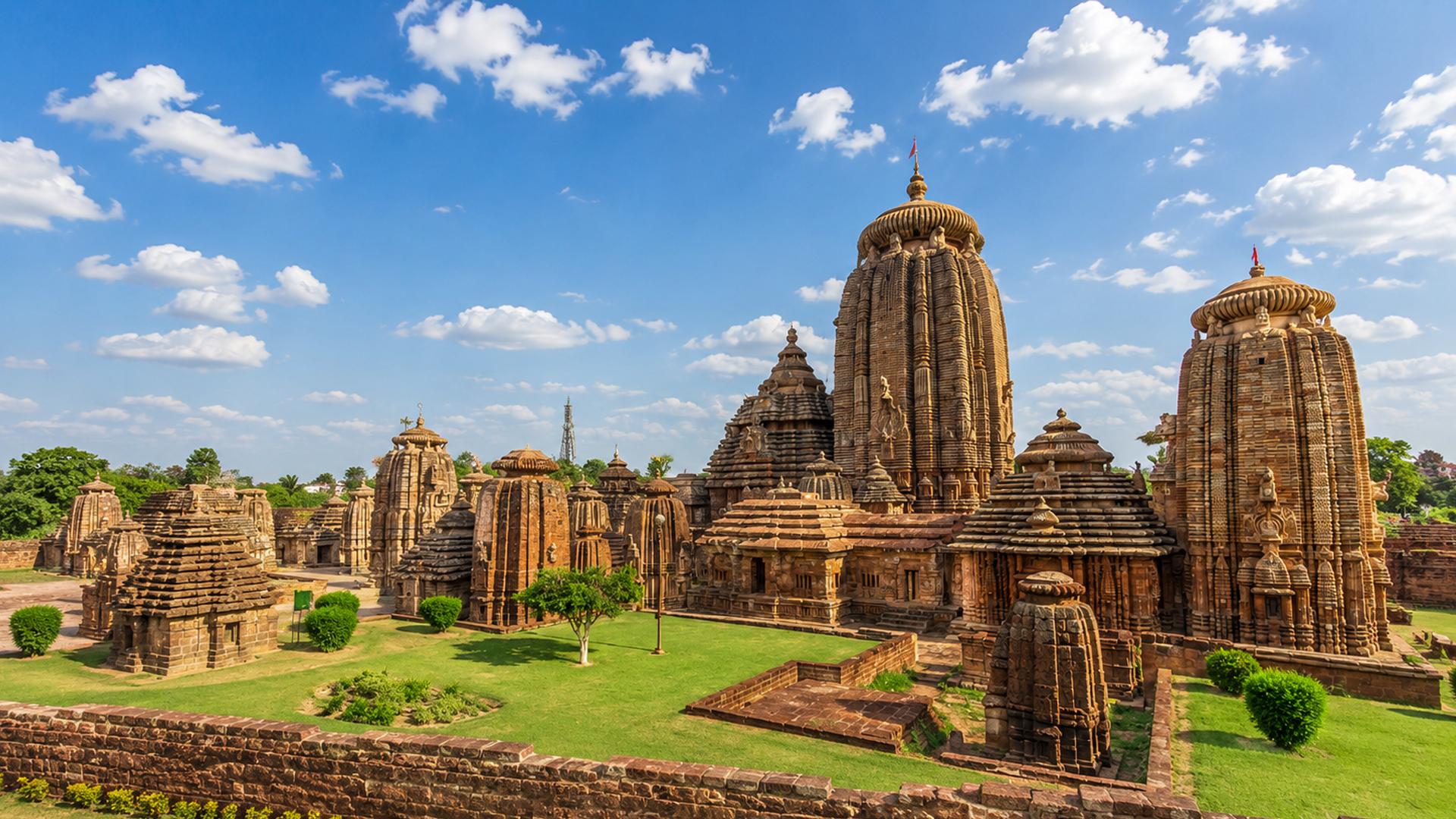
Lingaraj Temple, a stunning example of Kalinga architecture, is dedicated to Lord Shiva and is one of the oldest temples in Bhubaneswar. Built in the 11th century, its towering vimana and intricate carvings attract thousands of pilgrims and tourists. The temple complex features a stunning 55-meter high spire and houses religious deities, making it both a spiritual center and an architectural marvel. The temple’s yearly festivals draw large crowds, showcasing the vibrant cultural and spiritual fabric of the region. It’s a must-visit for anyone wanting to dive deep into the cultural heritage of Bhubaneswar.
Mukteshwar Temple
Considered a gem of Kalinga architecture, Mukteshwar Temple is renowned for its beautiful carvings and historical importance. Dedicating to Lord Shiva, the temple offers exquisite sculptures depicting various deities and motifs. The intricate work on the entrance and the impressive torana (arched gateway) showcases the artistry of its builders. The temple’s serene environment provides a fantastic backdrop for meditation and reflection, making it a peaceful retreat for both devotees and visitors. Mukteshwar, a UNESCO World Heritage Site, represents the architectural evolution of Odisha.
Udayagiri and Khandagiri Caves
These ancient rock-cut caves, dating back to the 2nd century BC, provide a glimpse into India's early Jain civilization. Carved out of soft sandstone, the caves served as dwelling places for Jain monks. Exploring these caves, visitors can find well-preserved inscriptions and historical artifacts, reflecting the spiritual and cultural history of the region. The scenic views from the top of the Udayagiri Hill are breathtaking, offering a panoramic view of Bhubaneswar. This site is not just historically significant but also a great place for nature lovers and hiking enthusiasts.
Rajarani Temple
Rajarani Temple is one of the most exquisite temples in Bhubaneswar, constructed in the 11th century from golden sandstone. The temple is famous for its finely sculpted figures and detailed carvings, lacking any presiding deity, which adds a unique aspect to its charm. The temple showcases striking artwork, making it a photographer's paradise. During the festive season, the temple comes alive with colors and celebrations, attracting tourists from around the world. Its architectural grandeur and serene atmosphere make it a perfect spot for reflection and photography.
Nandankanan Zoological Park
Nandankanan Zoological Park is a renowned zoo and botanical garden located on the outskirts of Bhubaneswar. This wildlife sanctuary is home to a wide variety of flora and fauna, including rare white tigers and several endangered species. Visitors can enjoy safaris to observe wildlife in their natural habitat while exploring beautiful gardens and scenic lakes within the park. The family-friendly environment makes it an ideal place for a day out, combining education, conservation, and entertainment. The park also features a cable car ride that offers stunning views of the surrounding landscape.
Major Events & Festivals
Key events and culture highlights
Rath Yatra
The Rath Yatra, the grand chariot festival of Lord Jagannath, takes place in Bhubaneswar every year in July. This event attracts thousands of devotees from across the country, creating an atmosphere of fervent spirituality and joyous celebration. The massive chariots carrying the deities are paraded through the streets, and the festivities include music, dance, and traditional rituals. Visitors can experience the vibrant local culture and participate in various religious observances that are integral to this colorful event.
Khandagiri Mela
The Khandagiri Mela, held in January, celebrates the rich heritage of Bhubaneswar. The festival takes place in the historic Khandagiri Caves and is marked by cultural performances, traditional dance, and local handicraft exhibitions. It is a great opportunity for tourists to experience the region's unique culture while enjoying local cuisine and entertainment. The lively atmosphere and the ancient backdrop of the caves make this event a fabulous cultural experience.
Bali Yatra
Bali Yatra is a significant festival celebrated in Bhubaneswar, marking the maritime trade legacy of ancient Odisha. Held in November, the festival features an array of cultural performances, craft bazaars, and culinary delights that attract locals and tourists alike. Visitors can enjoy traditional Odia dance, music, and a showcase of local artisans displaying their crafts. The vibrant market atmosphere during this festival provides a taste of Odisha’s rich traditions and history.
Frequently Asked Questions
Explore Bhubaneswar Guides & Articles
Discover handpicked tips, hidden gems, and local insights for your stay.

Where to Stay in Bhubaneswar: Best Areas for Temples, Shopping & City Sightseeing
Bhubaneswar divides neatly into two experiences. The Old Town holds the temples, the sacred tank and the densest concentration of Kalinga architecture. North and west of it, the planned modern city offers wider roads, fuller hotel inventories, restaurants and easier vehicle access.

Bhubaneswar Like a Local: Temples, Markets, Food and Heritage Experiences
Bhubaneswar is a city that reveals itself slowly. Beyond its famous temples and planned roads, the Odisha capital has an everyday rhythm shaped by neighbourhood markets, traditional food, ancient stonework, local crafts and evening gatherings.

Bhubaneswar with Family: Museums, Parks & Heritage Attractions
Odisha’s capital is often called the Temple City because of its remarkable concentration of Kalinga-style temples, but there is much more to discover beyond its religious heritage.
