
Amritsar Cantt.:2 properties found
Sort By
Filter By:
GoRoomgo Smart Search
BetaDescribe what you're looking for (e.g. "hotels under 1000", "3 star with breakfast")
Total Price
Payment Type
Property Type
Hotel Facilities
Room Amenities
Meal Plans Available
Property Class
Customer Rating


Discover Amritsar Cantt.
Your complete guide to exploring, staying, and experiencing the best of Amritsar Cantt.
About the City
A detailed overview of Amritsar Cantt.
💡 Quick Facts
| Location | Punjab, India |
| Language | Punjabi, Hindi, English |
| Population | Approx. 1.1 million |
| Currency | Indian Rupee (INR) |
| Climate | Semi-arid climate with hot summers |
| Best Time to Visit | October to March |
| Airport | Sri Guru Ram Dass Jee International Airport |
| Famous Dish | Amritsari Kulcha |
When is the best season to explore Amritsar Cantt.?
The ideal time to visit Amritsar Cantt. is between October and March when the weather is pleasant and conducive for sightseeing. During these months, temperatures are relatively mild, making it comfortable to explore the city's attractions without the oppressive heat of summer. Additionally, the festive spirit of Punjab comes alive during these months, with vibrant celebrations such as Diwali, Lohri, and Baisakhi. Not only can you enjoy the cultural festivities, but the sights and sounds are amplified by the cooler weather, making outdoor activities more enjoyable. It is advisable to plan your visit during these months for an enriching experience of Amritsar’s hospitality, history, and culture.
Top Tourist Attractions
Must-visit places in Amritsar Cantt.
Golden Temple
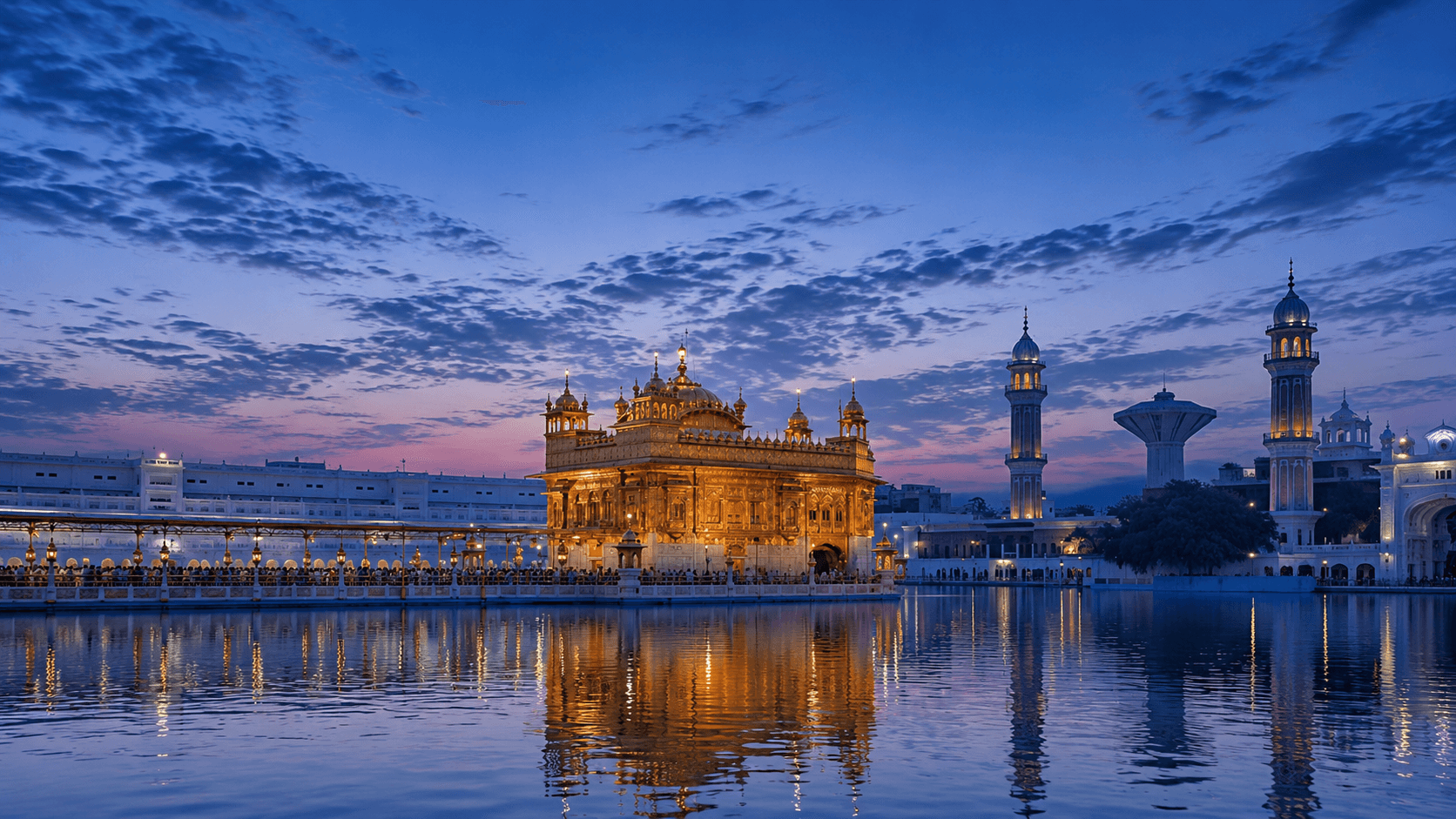
The Golden Temple, or Harmandir Sahib, is the most sacred Gurdwara of Sikhism and a symbol of peace and tolerance. Its stunning architecture, adorned with gold leaf, creates a breathtaking reflection on the surrounding water body, known as Amrit Sarovar. Visitors can partake in the serene atmosphere, enjoy langar (community meal), and even engage in spiritual activities. The temple draws millions of devotees and tourists annually, offering a glimpse into the rich Sikh heritage and traditions.
Jallianwala Bagh
Jallianwala Bagh is a historic garden and memorial that commemorates the tragic massacre of 1919. The park serves as a poignant reminder of India’s struggle for independence and houses a museum that displays artifacts and photographs from the era. Visitors can observe the well that became a symbol of escape, and learn about the harrowing events that occurred on that fateful day. The garden's tranquil setting contrasts sharply with its somber history.
Partition Museum
The Partition Museum is an essential visit for those looking to understand the impact of the 1947 partition of India. Here, stories and personal accounts are showcased through artifacts, photographs, and records, offering insight into the suffering and resilience of people during this tumultuous period. The museum provides an engaging narrative that transports visitors into a crucial chapter of Indian history, making it both informative and moving.
Durgiana Temple
Durgiana Temple is an architecturally striking Hindu temple dedicated to Goddess Durga, featuring intricate carvings and mirror work. The temple’s design bears a resemblance to the Golden Temple, encapsulating the spirit of religious harmony that characterizes Amritsar. It draws devotees and tourists alike, offering a peaceful ambiance to reflect and admire the craftsmanship. The vibrant ceremonies and rituals further enhance its allure.
Gobindgarh Fort
Gobindgarh Fort is a historical fort that once served as a military stronghold during the Sikh Empire. Today, it has been transformed into a cultural complex, showcasing live performances, traditional crafts, and eateries serving Punjabi delicacies. Visitors can explore the fort's history through interactive exhibits and reenactments, making it a fun educational experience for families looking to delve into the region's past.
Major Events & Festivals
Key events and culture highlights
Vaisakhi Festival
Vaisakhi is one of the most celebrated festivals in Punjab, marking the harvest season and the foundation of the Khalsa. This vibrant festival usually falls on April 13 or 14, attracting thousands to the Golden Temple for prayers, cultural performances, and lavish feasts. The celebrations involve lively Bhangra and Gidda dances, street fairs, and parades, creating a jubilant atmosphere that showcases Punjab's rich heritage.
Lohri Festival
Lohri, celebrated on January 13, marks the end of winter and the arrival of longer days. This festival involves bonfires, singing, and dancing around the flames, symbolizing the warmth of the sun. Locals gather in celebration to offer prayers and enjoy traditional sweets like sesame seeds and jaggery. The festival is a heartwarming experience that brings communities together, reflecting the joyous spirit inherent in Punjabi culture.
Diwali
Diwali, the festival of lights, is celebrated with great enthusiasm in Amritsar Cantt. This festival usually falls in October or November and signifies the victory of light over darkness. The streets of Amritsar are illuminated with earthen lamps and vibrant decorations, creating a magical ambiance. Families perform rituals at home and visit temples, especially the Golden Temple, where the festivities reach their peak with illuminations and fireworks, creating unforgettable memories.
