Ujjain moves at a different pace once you arrive with children or elders in the group. The city is built around temples and the Shipra River, yet it remains compact enough that a well-planned Ujjain family trip can feel both meaningful and manageable.
The Mahakaleshwar Jyotirlinga anchors most visits, but the experience stretches beyond a single darshan. Evening aarti at Ram Ghat, the open corridors of Mahakal Lok, the educational instruments at Vedh Shala, and quieter stops such as Sandipani Ashram give families shared moments that go beyond queues and rituals.
This guide focuses on the temples and attractions that work best when travelling with different age groups, along with practical stay recommendations so the days remain comfortable rather than exhausting.
Why Ujjain Works Well for a Family Trip
Ujjain is primarily a pilgrimage city, yet its scale and layout suit multi-generational travel. Distances between major sites are short. Many temples and ghats are accessible by auto or short walks. Pure vegetarian food is widely available, and the overall atmosphere remains orderly compared with larger pilgrimage centres.
For children, the visual elements—lighted corridors, boat rides, open grounds at ashrams, and the dramatic presence of the Mahakal complex—often leave a stronger impression than long explanations. For elders, the availability of e-carts in key areas and the option of earlier or later darshan timings reduce strain.
A successful Ujjain family trip usually prioritises fewer stops done well rather than trying to cover every temple on the list.
Temples and Attractions That Suit Families
Mahakaleshwar Temple and Mahakal Lok
The Mahakaleshwar Jyotirlinga is the spiritual centre of any visit. The temple complex and the adjoining Mahakal Lok corridor have been designed with broader access in mind. The corridor itself, with its sculptures and open pathways, works well for families who want a visual and walking experience alongside the darshan.
E-carts help senior members cover longer stretches. Evening visits often feel less rushed than the earliest morning slots, especially when travelling with young children. The scale and energy of the place tend to hold attention across age groups.
Ram Ghat and the Shipra River
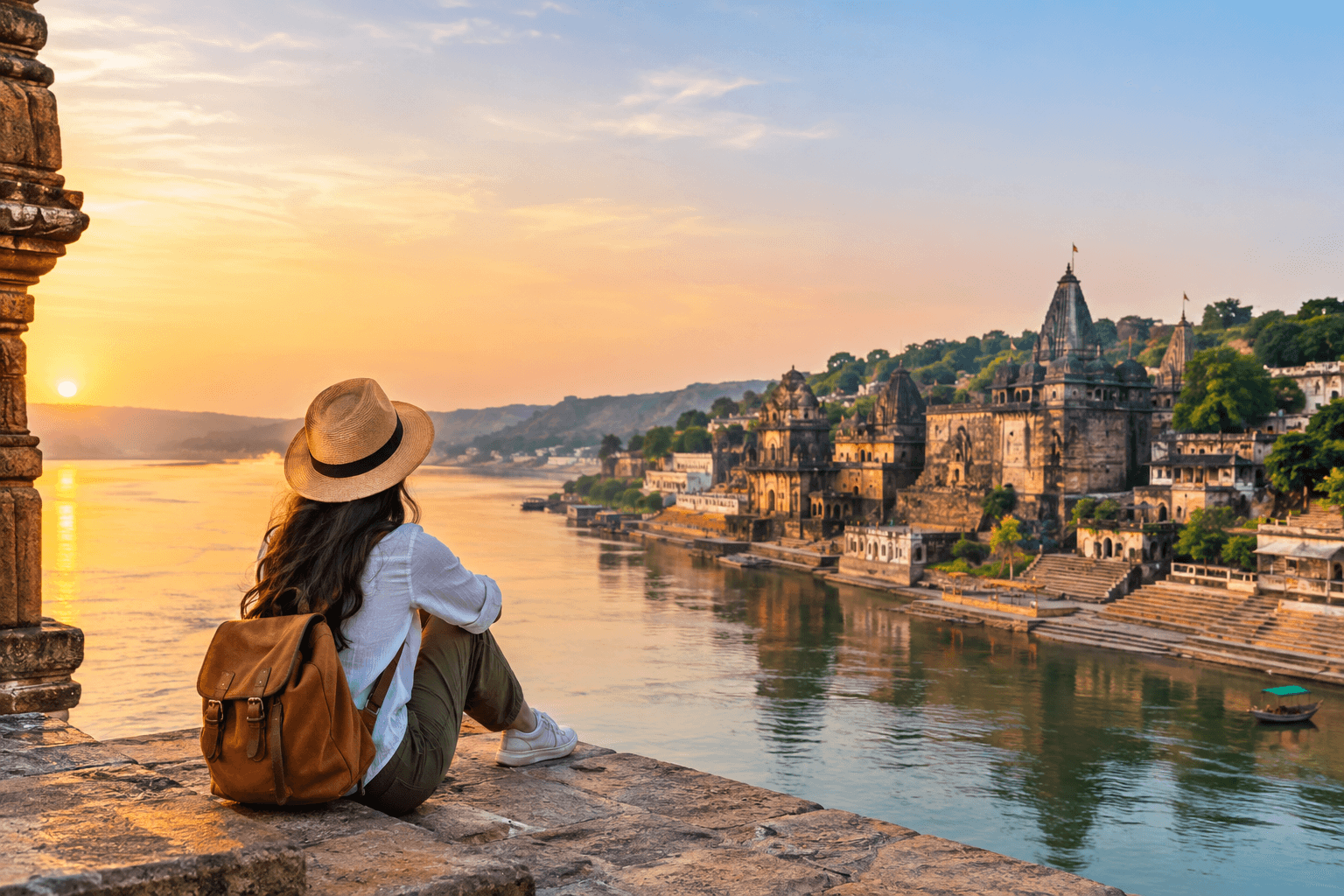
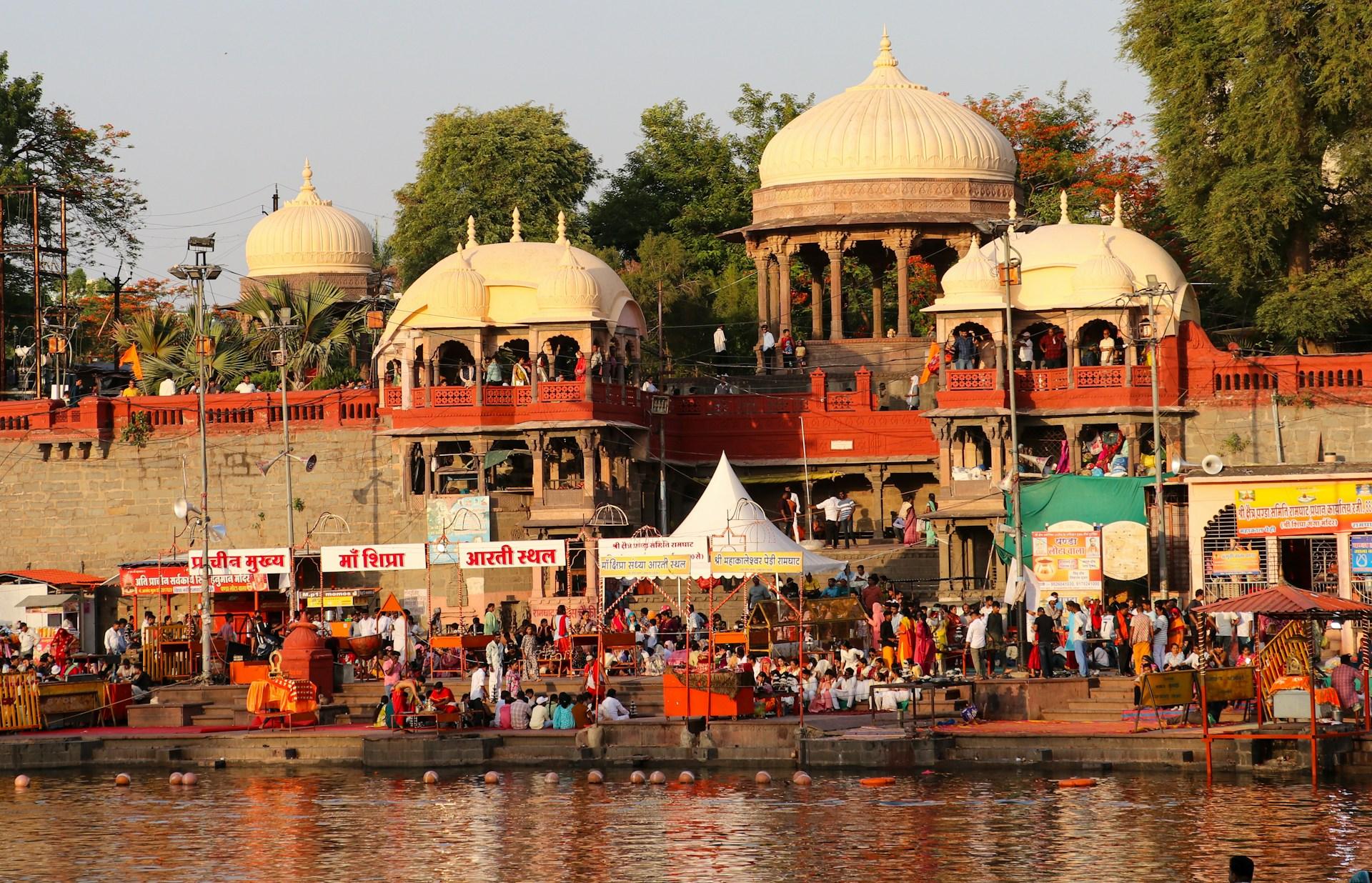
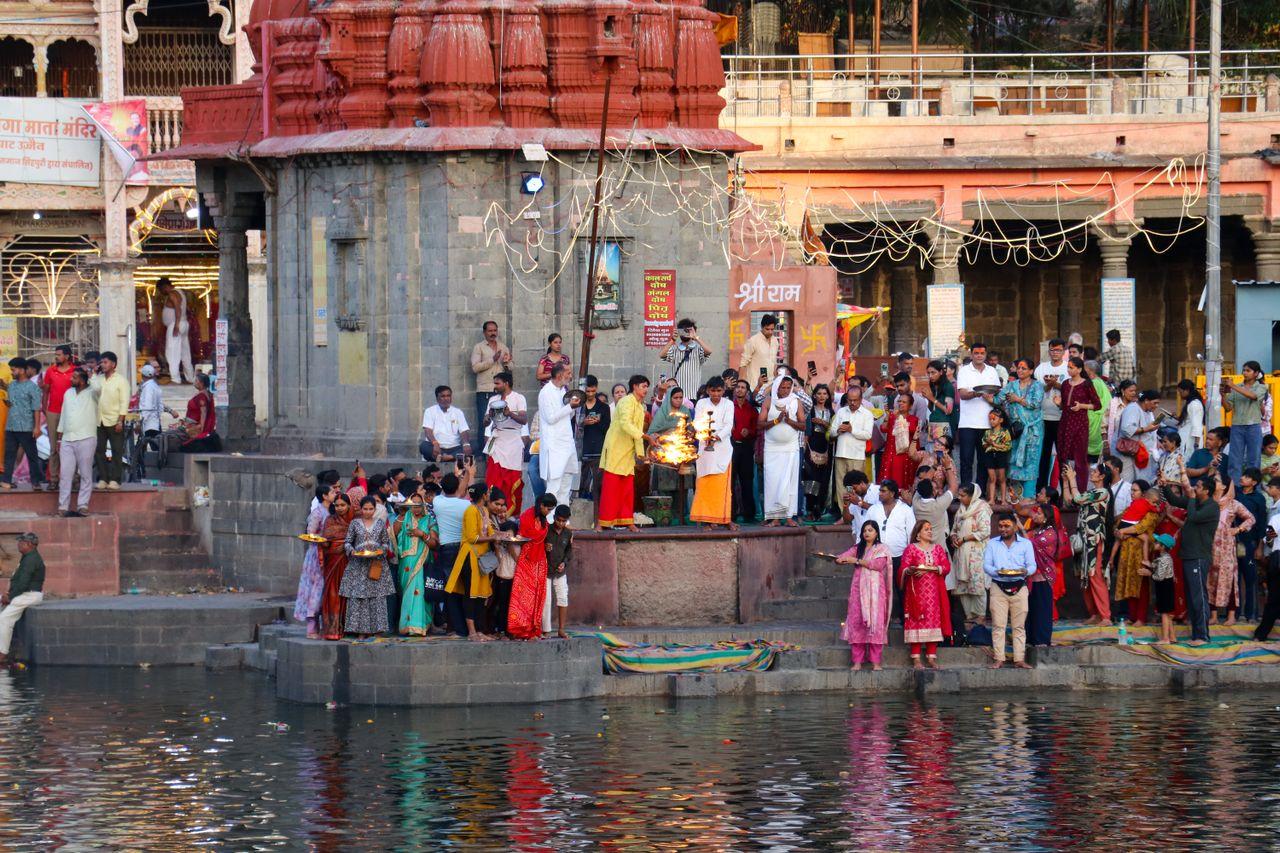
Ram Ghat becomes particularly memorable in the evening. The aarti, the lights reflecting on the water, and the option of a short boat ride create a shared family moment that is calmer than the main temple queues. Floating diyas and the riverside atmosphere often become the highlight for children.

A gentle pace here—watching the aarti, walking a short stretch of the ghat, and taking a boat if the group is interested—fits naturally into an Ujjain family trip without requiring long travel.
Kal Bhairav, Harsiddhi and Nearby Temples
Kal Bhairav Temple has a distinct character and is usually manageable in under an hour. Harsiddhi Temple adds another important stop within a reasonable distance. These visits work best when scheduled after the main Mahakal experience so the day does not feel overloaded.
Keeping temple stops focused and leaving buffer time for rest or meals helps younger travellers stay engaged rather than fatigued.
Sandipani Ashram and Vedh Shala
Sandipani Ashram, linked with the story of Lord Krishna’s education, offers open grounds and a quieter setting. It suits families who want a break from denser temple precincts and an opportunity for storytelling or simply letting children move more freely.
Vedh Shala, the historic observatory, introduces ancient astronomical instruments in a compact, educational format. Many children respond well to the tangible tools and the idea of measuring time and planets without modern technology.
Other Gentle Stops
Chintaman Ganesh Temple, Kaliadeh Palace by the river, and ISKCON Ujjain provide additional options when energy levels allow. None of these require extensive travel, so they can be added or left out depending on the group’s pace.
A Realistic Pace for Families
Most families find that two full days, or one full day and two half-days, cover the essentials without pressure. An arrival evening focused on Ram Ghat and a boat ride sets a gentle tone. The following day can centre on Mahakaleshwar and Mahakal Lok, with one or two secondary temples in the afternoon if the group still has energy.
Building in rest after the main temple visit, especially if the group includes young children or older adults, keeps the overall experience positive. Many families also find that combining one major spiritual stop with one lighter activity per half-day works better than clustering several temples back to back.
A second full day might include Sandipani Ashram, Vedh Shala, and a quieter temple or riverside walk. Leaving space for rest, especially in warmer months, matters more than adding extra stops. Early dinners and earlier nights usually work better when travelling with children or elders.
Where to Stay on an Ujjain Family Trip
Location shapes comfort more than most other factors. Families generally choose between proximity to Mahakaleshwar and a slightly quieter residential pocket that still offers easy access.
Near Mahakal Marg and the Temple Area
Staying close to Mahakal Marg keeps the main temple and corridor within a short auto or walking distance. This is convenient for early or late visits and reduces daily logistics. Look for properties that offer family rooms or connecting options, reliable pure-vegetarian meals, and straightforward access.
The area can feel busier, especially during peak pilgrimage periods, so confirming room size and noise levels helps.
Nanakheda and Nearby Residential Zones
Nanakheda and similar residential stretches a short drive from the temple often provide a calmer base. These areas tend to have more space, easier parking, and a less intense atmosphere while remaining practical for temple visits.
Many family hotels in Ujjain in these zones prioritise larger rooms, consistent hot water, and simple multi-cuisine or pure-veg dining that suits mixed age groups.
What to Look for in Family Hotels in Ujjain
Spacious rooms or family suites, elevators where possible, pure-vegetarian food options, and clear information about distance to Mahakaleshwar matter more than elaborate amenities. Properties that can arrange early breakfasts or packed meals for temple mornings reduce friction.
When comparing family hotels in Ujjain, recent guest comments about cleanliness, staff helpfulness with children or elders, and actual travel time to the main temple are more useful than star ratings alone.
Platforms such as Goroomgo make it straightforward to filter stays by location preference, room type and guest feedback so the base supports the rest of the itinerary.
Practical Tips for a Smoother Family Visit
Dress codes at major temples are modest; carrying an extra shawl or dupatta for the group is practical. Footwear is removed at temple entrances, so simple slip-ons help with repeated visits.
Hydration and light snacks keep energy steady, particularly for children during waiting periods. Many families prefer pure-vegetarian thalis or familiar local items such as poha and lighter sweets rather than heavy restaurant meals every time.
Autos and local taxis cover short distances efficiently. For groups with elders or young children, arranging a vehicle for the day removes the need to negotiate each transfer. Confirming VIP or special darshan arrangements in advance, where available, can significantly reduce standing time at Mahakaleshwar.
Weather in Ujjain can be warm for much of the year. Planning outdoor and riverside time for early morning or evening, and keeping midday lighter, improves comfort for everyone.
Conclusion
An Ujjain family trip works best when it balances the grandeur of Mahakaleshwar with quieter shared experiences—the evening light on the Shipra, a short boat ride, an open ashram ground, or the simple instruments at Vedh Shala.
Choosing a stay that matches your group’s need for either temple proximity or a calmer residential base removes much of the daily friction. Comparing budget-friendly hotels in Ujjain across the main areas helps lock in a practical foundation so the focus can remain on the temples, the river and the time spent together.
With the location decided and a realistic pace in place, Ujjain offers a pilgrimage that feels accessible across generations rather than demanding.

Written by Kunal Paul
Travel Expert
Kunal Paul is a Travel Expert who turns journeys into memorable experiences. With a passion for discovering destinations, local culture, hidden gems, and practical travel insights, he helps travelers explore smarter and better.