There is a different rhythm to Haridwar at every time of the year.
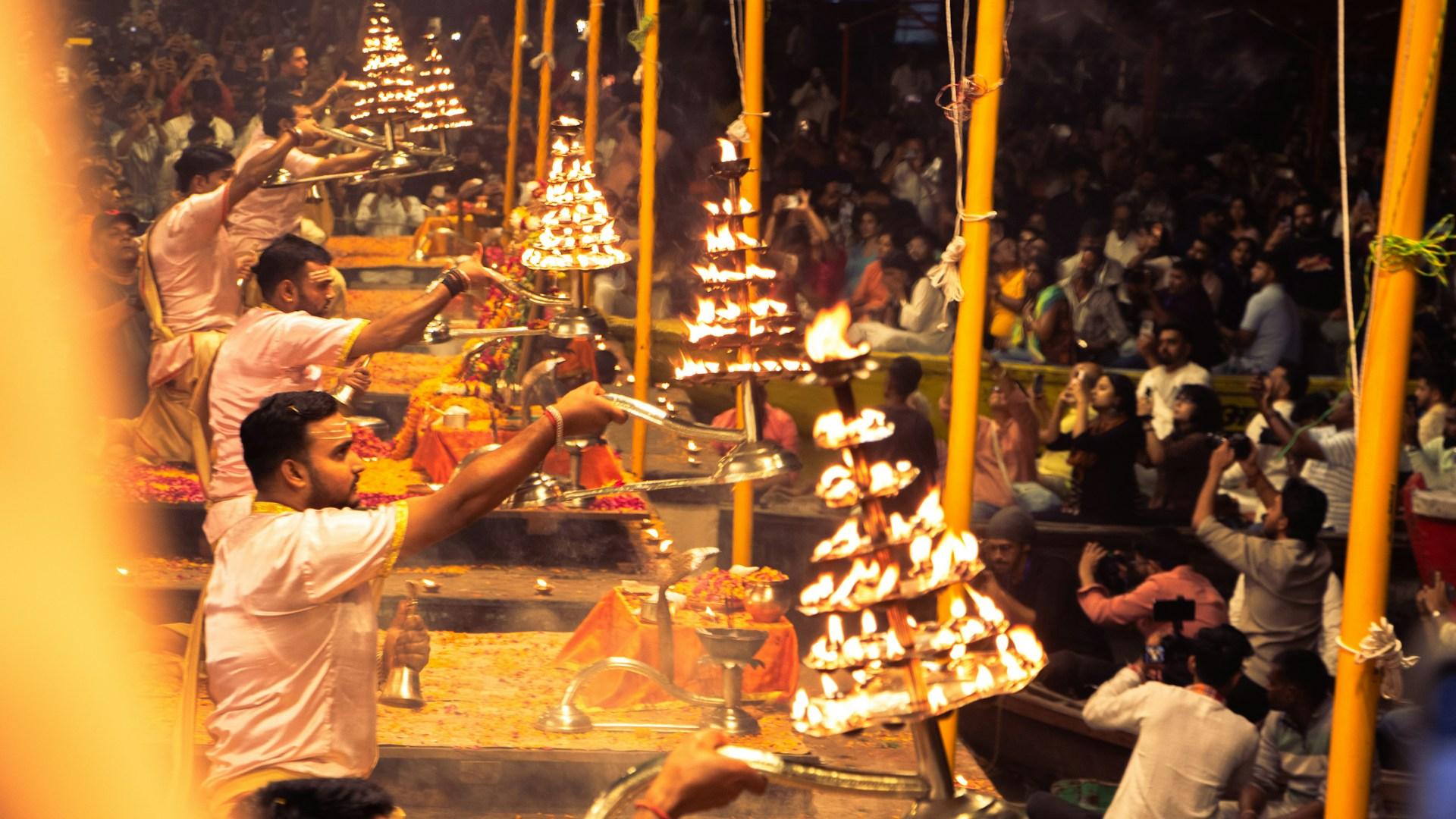
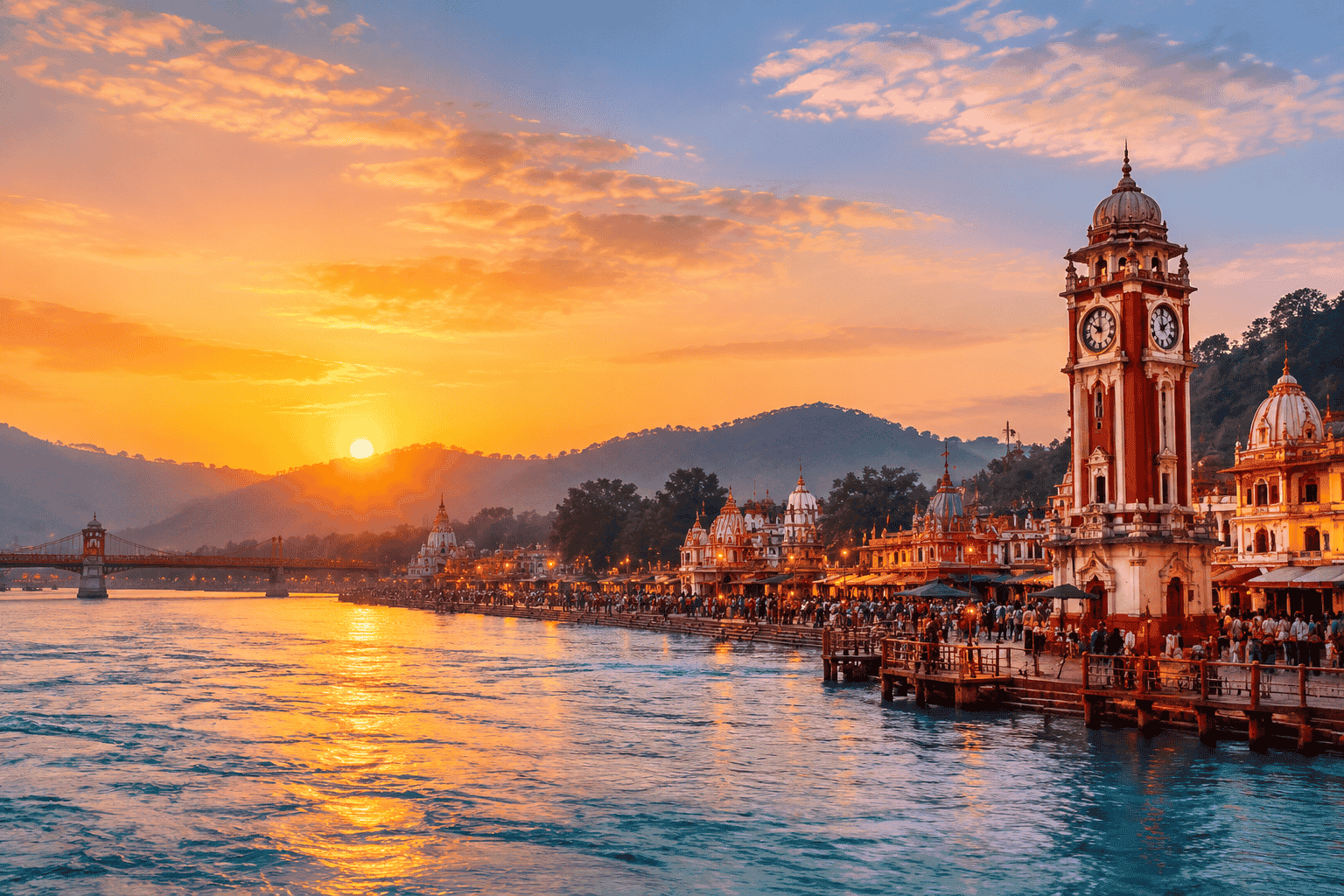
Early mornings begin with the sound of temple bells, prayers along the ghats, and the first rays of sunlight reflecting on the Ganga. By evening, the riverfront transforms as visitors gather for the famous Ganga Aarti, creating an atmosphere that has attracted pilgrims and travellers for centuries.
But Haridwar is not the same destination throughout the year. Winter brings peaceful mornings and comfortable sightseeing. Summer fills the city with pilgrims beginning their journeys towards the Himalayan shrines. Monsoon brings greener surroundings and reveals a quieter side of the holy city.
The best time to visit Haridwar depends largely on the experience you are looking for. A family planning a spiritual holiday may prefer pleasant weather, while pilgrims may choose important festival periods. Couples and solo travellers may enjoy the slower pace of the city during quieter months.
From understanding Haridwar weather by month to choosing the right season, festivals, experiences, and accommodation, thoughtful planning can make your journey much more memorable.
Winter in Haridwar: When the City Feels Most Peaceful
From October to February, Haridwar experiences one of its most comfortable travel periods.
The cooler weather makes it easier to explore temples, walk along the ghats, visit local markets, and spend longer periods outdoors. Winter mornings beside the Ganga have a particularly peaceful atmosphere, especially before the main tourist areas become busy.
This is also an excellent time to combine Haridwar with nearby destinations such as Rishikesh and Rajaji National Park. The comfortable climate makes longer sightseeing days easier for families and senior travellers.
Photographers may also enjoy the soft morning light around the river, while first-time visitors can explore the major attractions without dealing with intense summer heat.
Best for: Families, couples, photographers, pilgrims, senior travellers, and first-time visitors.
Travel idea: Visit Har Ki Pauri early in the morning for a peaceful riverside experience, then return in the evening for the Ganga Aarti.
Summer in Haridwar: The Season of Pilgrimage Journeys
Summer changes the character of Haridwar.
Between March and June, the city becomes an important stop for pilgrims travelling towards the Char Dham destinations of Uttarakhand. Temples receive more visitors, roads become busier, and the city reflects the strong spiritual energy associated with pilgrimage season.
Temperatures can rise during the afternoon, so travellers should plan outdoor activities carefully. Early mornings are generally better for temple visits, walks, and sightseeing, while evenings can be reserved for markets, local food, and riverside experiences.
Summer is especially suitable for travellers combining Haridwar with religious journeys towards the Himalayas.
Best for: Pilgrims, weekend travellers, religious groups, and visitors continuing towards Himalayan destinations.
Travel idea: Start sightseeing early in the morning, rest during the warmer afternoon hours, and explore markets and ghats in the evening.
Monsoon in Haridwar: A Quieter Side of the Holy City
The monsoon months from July to September bring a different atmosphere to Haridwar.
The surrounding landscape becomes greener, the air often feels fresher, and the city can feel calmer compared with peak pilgrimage periods. Travellers who enjoy slower journeys may appreciate spending more time beside the river, exploring local markets, and observing everyday life away from the busiest tourist periods.
However, monsoon travel requires flexibility. Heavy rainfall may affect road journeys, particularly for travellers planning to continue towards hill destinations.
Certain religious events, including the Kanwar Yatra, can also significantly increase crowds during parts of the monsoon season.
Best for: Solo travellers, budget-conscious visitors, spiritual travellers, and people looking for a quieter experience.
Travel idea: Keep your itinerary flexible and focus more on local experiences rather than trying to cover too many attractions in a short time.
Haridwar Festival Guide: When Tradition Takes Centre Stage
Festivals reveal Haridwar at its most spiritual, colourful, and energetic.
During major religious occasions, temples, ghats, markets, and streets become gathering places for pilgrims arriving from different parts of India. Religious processions, prayers, sacred bathing rituals, devotional music, and traditional ceremonies create an atmosphere that is very different from an ordinary sightseeing trip.
For travellers, visiting during a major festival provides a deeper understanding of Haridwar's religious and cultural identity. However, festival periods may also bring larger crowds, greater accommodation demand, traffic restrictions, and longer waiting times around popular temples and ghats.
Understanding the Haridwar festival guide before booking can help travellers choose whether they want to experience the city at its most vibrant or visit during a quieter period.
Kumbh Mela
Kumbh Mela is one of the most significant religious gatherings associated with Haridwar.
During the festival, huge numbers of devotees gather along the Ganga to participate in sacred bathing rituals, prayers, processions, and spiritual ceremonies. The atmosphere around Har Ki Pauri and other important bathing ghats becomes especially intense during major bathing dates.
Sadhus, pilgrims, religious groups, and visitors from across India come together, turning Haridwar into the centre of a vast spiritual gathering.
For travellers interested in Indian spirituality, traditions, and religious culture, attending during Kumbh Mela can be a unique experience. At the same time, careful planning is essential.
Accommodation should be arranged well in advance, and visitors should expect crowd-control measures, restricted vehicle access, and longer travel times within the city.
Kanwar Yatra
Kanwar Yatra transforms Haridwar during the monsoon season.
Large numbers of Shiva devotees, commonly known as Kanwariyas, travel to Haridwar to collect sacred water from the Ganga before carrying it back to temples and communities in different regions.
During this period, the city develops a highly devotional atmosphere. Groups of pilgrims dressed in saffron-coloured clothing can be seen throughout the city, devotional music becomes common, and temporary facilities are often arranged along pilgrimage routes.
For travellers, Kanwar Yatra offers the opportunity to observe one of North India's most distinctive religious traditions.
However, it is important to expect traffic diversions, heavier crowds, restricted routes, and slower movement in certain parts of Haridwar.
Diwali
Diwali brings a visually beautiful atmosphere to Haridwar.
Temples, homes, markets, and areas around the ghats are decorated with lamps and festive lighting. In the evening, reflections from illuminated buildings and diyas create a memorable scene beside the Ganga.
Travellers interested in culture and photography may especially enjoy visiting during this period.
The combination of temple visits, festive rituals, decorated markets, traditional sweets, and evening prayers gives Haridwar a warm and celebratory atmosphere.
Ganga Dussehra
Ganga Dussehra is another important occasion associated closely with the spiritual identity of Haridwar.
Devotees gather along the river to offer prayers and take ritual baths in the Ganga. The ghats become especially active, creating an atmosphere filled with devotion and traditional ceremonies.
For travellers interested in understanding Haridwar's relationship with the river, visiting during Ganga Dussehra can offer a meaningful cultural experience.
Makar Sankranti and Kartik Purnima
Makar Sankranti and Kartik Purnima are also important occasions when devotees gather in Haridwar for prayers and ritual bathing.
These festival periods can attract significant numbers of visitors, particularly around Har Ki Pauri and other prominent ghats.
Travellers hoping for a peaceful trip may prefer to avoid major festival dates, while those seeking a deeper spiritual experience may intentionally plan around them.
Checking festival dates before finalising your journey is therefore an important part of Haridwar pilgrimage travel tips.
Where to Stay During Your Haridwar Trip
Choosing the right area to stay can make a significant difference to your travel experience.
Travellers who want to remain close to Haridwar's spiritual attractions may prefer accommodation near Har Ki Pauri. This provides convenient access to the Ganga Aarti, ghats, temples, and traditional markets.
The Railway Station area can be useful for short trips because travellers can reach transport links and many central attractions conveniently.
Families and visitors looking for quieter surroundings may prefer areas such as Bhupatwala, where the atmosphere is generally more relaxed compared with the busiest sections of central Haridwar.
Travellers searching for affordable accommodation can explore budget hotels in Haridwar, particularly during non-peak periods when availability may be better.
For visitors who want to compare location, amenities, pricing, and convenience, exploring verified Hotels before travelling can help make accommodation planning easier.
Experiences You Should Not Miss in Haridwar
Haridwar offers much more than temple visits.
The city combines spirituality, traditional markets, riverside experiences, local food, cultural neighbourhoods, and easy access to nearby natural attractions.
A good trip should allow enough time to experience both the famous landmarks and the quieter moments that reveal the everyday character of the city.
Har Ki Pauri: The Heartbeat of Haridwar
Har Ki Pauri is the spiritual centre of Haridwar and one of the most important places to experience during a visit.
The atmosphere changes throughout the day.
Early mornings are generally peaceful, with devotees performing prayers and taking ritual baths in the Ganga as the city slowly begins to wake.
The evening Ganga Aarti creates an entirely different experience.
Priests perform prayers beside the river while lamps are lit, bells ring, devotional chants fill the surroundings, and visitors gather along the ghats.
The sight of illuminated diyas beside the flowing river creates one of the most memorable experiences in Haridwar.
Travellers planning to attend the Aarti should arrive early enough to find a comfortable viewing location, particularly during weekends and festival periods.
Best for: First-time visitors, pilgrims, photographers, families, and cultural travellers.

Mansa Devi Temple
Located on Bilwa Parvat, Mansa Devi Temple is one of Haridwar's most recognised pilgrimage sites.
Visitors can reach the temple either by walking uphill or using the ropeway. The elevated location provides expansive views across the city and the surrounding landscape.
The temple attracts devotees throughout the year, particularly during festival periods and peak pilgrimage seasons.
Travellers visiting during busy periods should be prepared for queues, especially during morning hours.
Beyond its spiritual significance, the hilltop location makes the temple an interesting experience for visitors who want panoramic views of Haridwar.
Chandi Devi Temple
Chandi Devi Temple is located on Neel Parvat and forms another important part of Haridwar's pilgrimage circuit.
The temple can be reached through walking routes or ropeway access. The journey itself offers views over the surrounding hills, forests, cityscape, and the Ganga plains.
Many pilgrims combine visits to Mansa Devi and Chandi Devi during the same trip.
Travellers planning to visit both should allow sufficient time instead of trying to complete the experience too quickly.
Explore the Ghats Beyond Har Ki Pauri
Har Ki Pauri may be the most famous ghat in Haridwar, but several other riverside areas provide a quieter perspective of the city.
Walking beside the Ganga during the early morning or late afternoon allows visitors to observe prayers, local rituals, and everyday riverside life.
These quieter areas can be especially enjoyable for travellers who want time for reflection or photography without remaining constantly surrounded by large crowds.
Exploring different ghats also helps visitors understand that Haridwar's relationship with the Ganga extends far beyond its most famous landmark.
Walk Through Bara Bazaar and Moti Bazaar
Haridwar's traditional markets offer an experience very different from its temples and ghats.
Bara Bazaar and Moti Bazaar contain shops selling religious items, Rudraksha malas, brassware, traditional clothing, handicrafts, Ayurvedic products, sweets, and souvenirs.
Walking through these market streets also gives travellers an opportunity to observe everyday life in the old city.
Narrow lanes, food stalls, small shops, local vendors, temple entrances, and busy shopping areas combine to create a distinct cultural atmosphere.
Travellers looking for souvenirs may want to compare several shops before buying, particularly when purchasing religious products or handicrafts.
Experience Haridwar's Local Food
Food is another enjoyable way to experience the city.
Haridwar is known for traditional vegetarian cuisine, with simple but flavourful dishes available across old market areas and local eateries.
Popular choices include:
- Aloo puri
- Kachori sabzi
- Chole bhature
- Jalebi
- Lassi
- Traditional sweets
Morning is an especially good time to explore local breakfast spots.
Instead of restricting your food experience to larger restaurants, try smaller established local eateries where traditional dishes are often part of the everyday culture of Haridwar.
Visit Daksh Mahadev Temple and Kankhal
Daksh Mahadev Temple, located in Kankhal, is another important religious site connected with Hindu mythology.
The surrounding Kankhal area has a quieter character compared with central Haridwar and contains several temples, ashrams, and religious institutions.
Travellers interested in the history and spiritual traditions of Haridwar can spend some time exploring this neighbourhood rather than focusing only on the main tourist areas.
Spend Time at Shantikunj
Shantikunj is a well-known spiritual and educational centre that attracts visitors interested in meditation, spiritual learning, and peaceful surroundings.
Compared with Har Ki Pauri and the central market areas, the atmosphere here is much calmer.
Travellers looking for a reflective experience can include Shantikunj in their plans, particularly if they want to explore Haridwar beyond the most popular sightseeing locations.
Take a Day Trip to Rishikesh
Rishikesh is located close to Haridwar and can easily be included as a day trip or an extension of your journey.
The destination offers a different experience, combining temples, riverfront areas, yoga centres, cafés, suspension bridges, and adventure activities.
Travellers staying in Haridwar for several days can combine the city's spiritual attractions with the more relaxed riverside atmosphere of Rishikesh.
This can be especially appealing for couples, younger travellers, and visitors looking for a mixture of spirituality and leisure.

Explore Rajaji National Park
Nature lovers can consider adding Rajaji National Park to their Haridwar trip.
The park offers forest landscapes, wildlife, birdwatching opportunities, and safari experiences, making it a strong contrast to Haridwar's temples, ghats, and urban environment.
It can be a particularly interesting addition for families, photographers, and travellers who want to combine spiritual tourism with nature-based experiences.
Visitors should check seasonal opening conditions before planning their visit, especially during the monsoon season.
Local Food and Shopping Experience
Haridwar's food and shopping culture reflects its spiritual traditions and local lifestyle.
Vegetarian dishes dominate the city's food scene, and many travellers enjoy exploring traditional eateries around the older parts of Haridwar.
Popular foods include aloo puri, kachori sabzi, chole bhature, jalebi, lassi, and a variety of traditional sweets.
Local markets are also worth exploring for:
- Rudraksha malas
- Brass items
- Religious products
- Ayurvedic products
- Traditional clothing
- Handicrafts
- Local sweets
- Souvenirs
The most memorable experiences often come from walking through smaller market lanes, speaking with local vendors, and discovering shops away from the main tourist stops.
Choosing the Best Season to Visit Haridwar
The best season to visit Haridwar depends on your travel priorities.
Choose October to February if you want comfortable weather, peaceful sightseeing, family travel, or longer outdoor exploration.
Choose March to June if your journey is connected with pilgrimage routes or you are planning to continue towards the Himalayan regions.
Choose July to September if you prefer greener surroundings, quieter travel periods, or lower accommodation demand, while keeping rainfall and pilgrimage events such as the Kanwar Yatra in mind.
Festival periods can provide an extraordinary cultural experience, but they also require greater preparation.
For first-time visitors looking for a balanced experience, the cooler months generally make sightseeing and temple visits more comfortable.
Conclusion
Haridwar is a destination where the season can completely change the travel experience.
Winter offers peaceful exploration and pleasant weather. Summer brings the energy of pilgrimage season, while monsoon reveals greener surroundings and a slower side of the city. Major festivals transform Haridwar again, filling its ghats, temples, and streets with religious ceremonies and devotional gatherings.
Whether you are travelling for spirituality, culture, family time, photography, or a short escape, understanding the best time to visit Haridwar can help you create a more comfortable and meaningful journey.
Plan according to your preferred weather, festival dates, and travel style. Allow enough time to experience the Ganga, temples, markets, local food, and quieter parts of the city instead of rushing between attractions.
Choosing suitable accommodation is equally important. Comparing verified Hotels in Haridwar through Goroomgo can help travellers select a stay based on location, budget, facilities, and convenience.

Written by Kunal Paul
Travel Expert
Kunal Paul is a Travel Expert who turns journeys into memorable experiences. With a passion for discovering destinations, local culture, hidden gems, and practical travel insights, he helps travelers explore smarter and better.